
Industrial-Grade Animal Fat Primary Rendering
Explore MoreFood-Grade Animal Fat Primary Rendering
Explore MoreTurn animal by-products into stable fat and protein outputs with Fat Rendering Machines designed for consistent yield, controlled moisture removal, clean separation, and flexible batch or continuous operation.

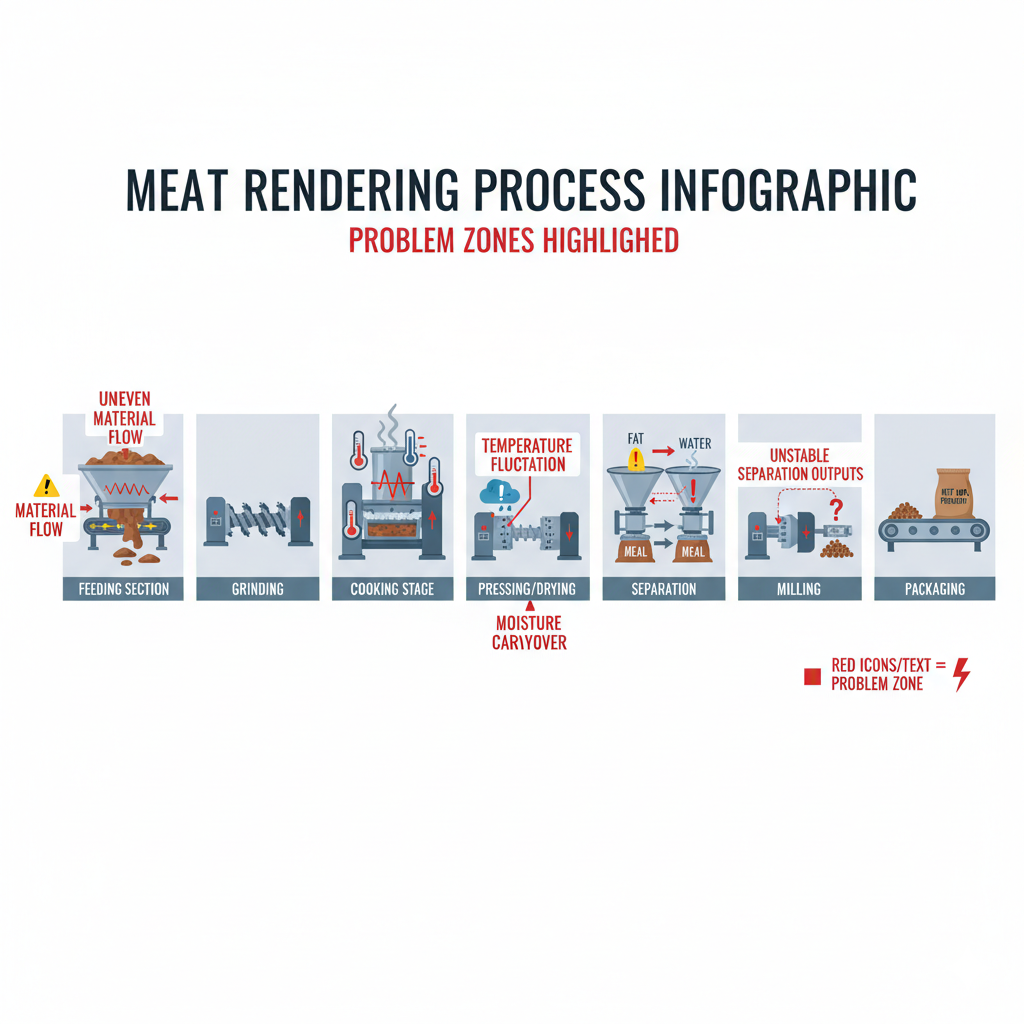
Raw materials change by hour and by season. If the line cannot absorb those swings, quality and uptime suffer.
Unstable fat quality usually starts with moisture carryover and temperature swings. If dehydration is uneven, fat clarification becomes harder and storage stability risks rise.
Throughput loss often comes from inconsistent material preparation and separation. When load spikes hit cookers, presses, or centrifuges, the line drifts and operators compensate with rework.
Plant cleanliness pressure increases when transfers leak, vapors are not condensed well, and exhaust treatment is not planned as part of the line.
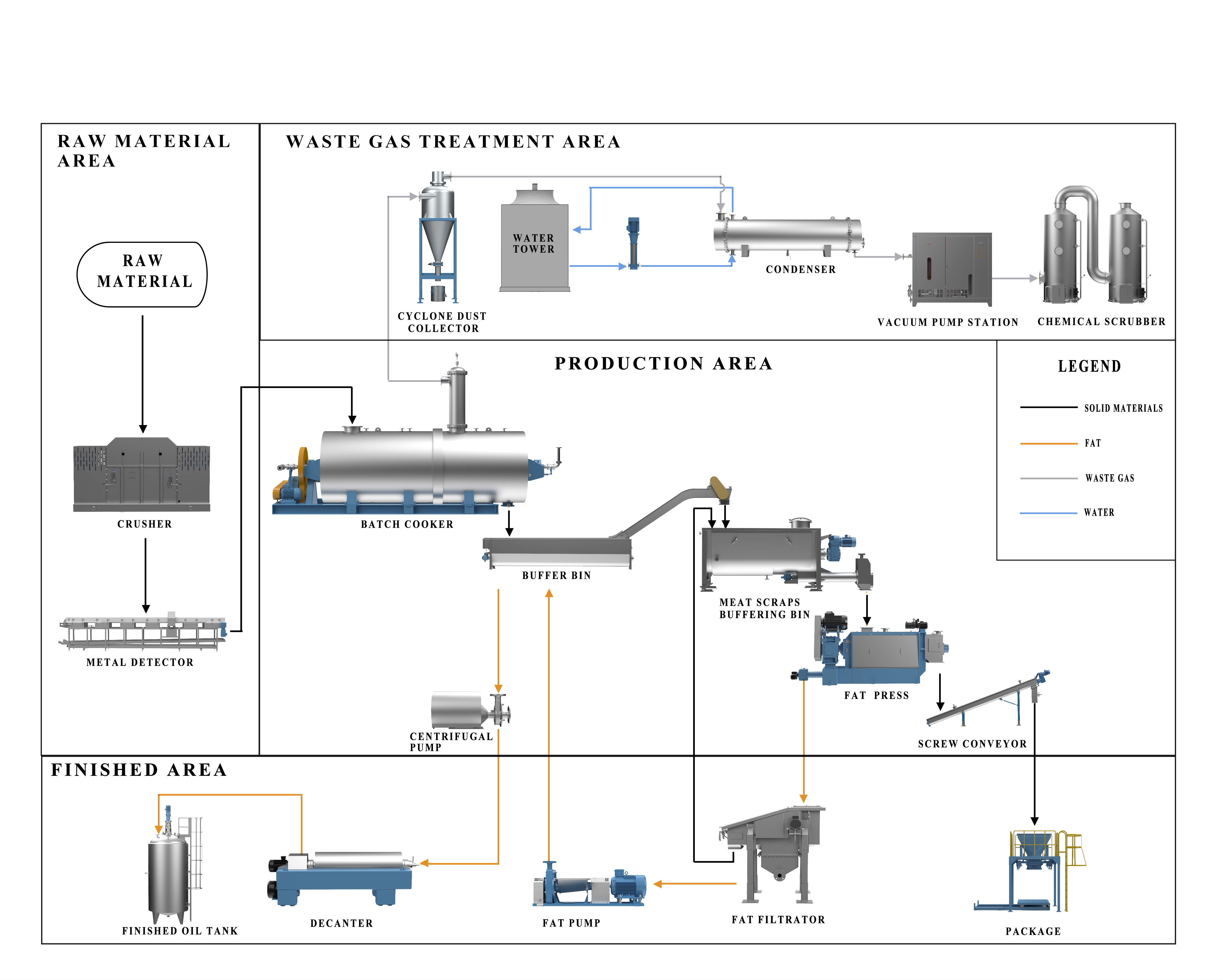
1. Raw Material Preparation – Trim sorting, size reduction, and metal detection to protect downstream equipment and food safety plans.
2. Batch Cooking – Controlled heating to melt fat and drive off moisture while limiting overcooking that darkens oil.
3. Fat Separation – Pressing or decanting to split melted fat from solids and reduce fines loading on filtration.
4. Fine Filtration – Multi-stage filtration to remove suspended solids and improve clarity, odor stability, and storage behavior.
5. Oil Handling and Storage – De-watering, temperature-hold transfer, and clean tank storage to prevent water pickup and quality drift.
6. Vapor and Odor Control – Condensing plus scrubbing steps sized to actual vapor load for stable emissions and cleaner plant operation.
This workflow is commonly used for tallow or edible animal oils where clarity, moisture control, and storage stability are critical.
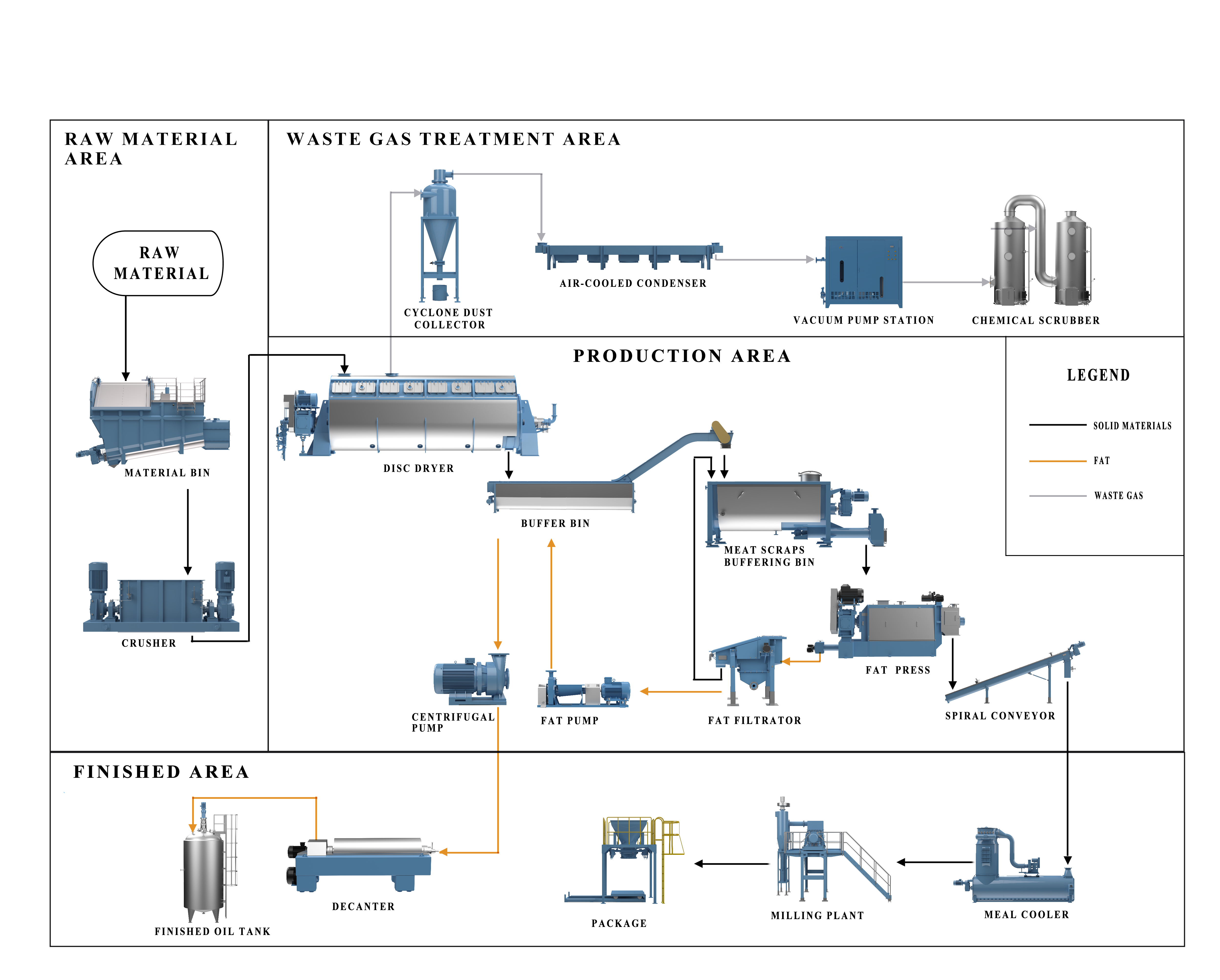
1. Raw Material Preparation – Receiving, buffering, and size reduction to keep cooker and dryer loads stable.
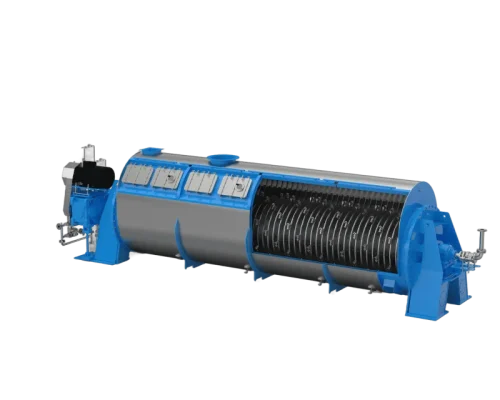
2. Disc Drying – Indirect drying to remove water efficiently and stabilize solids for downstream meal handling.
3. Fat Collection and Clarification – Fat capture with staged clarification to reduce carryover and stabilize fat quality.
4. Solid Pressing and Cooling – Press residual fat from solids, then cool to improve conveying, storage, and housekeeping.
5. Meal Milling and Packaging – Grind to target particle size and package for consistent feed by-product specs.
6. Exhaust Treatment – Condensing plus multi-stage purification configured for odor control and safe discharge.
This workflow is typically used for feed-grade tallow and protein meal where throughput, stable dryness, and reliable separation drive profitability.
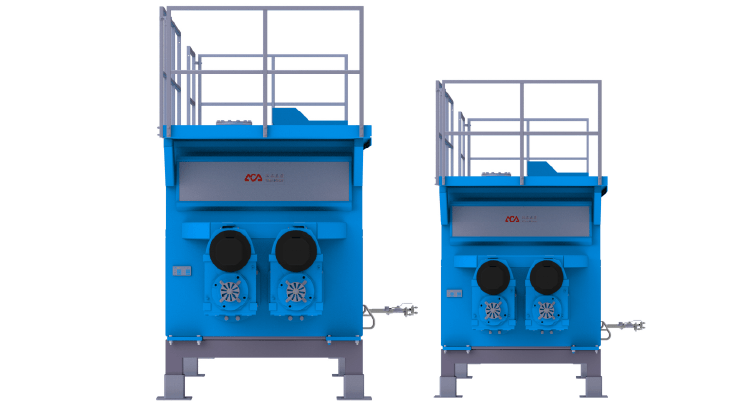
Your optimal rendering process depends on raw material moisture, target capacity, and fat and meal quality requirements. Our equipment supports the key processing blocks commonly used in meat rendering lines.

Stable rendering starts with stable feed. Buffering and controlled transfer reduce load swings downstream.
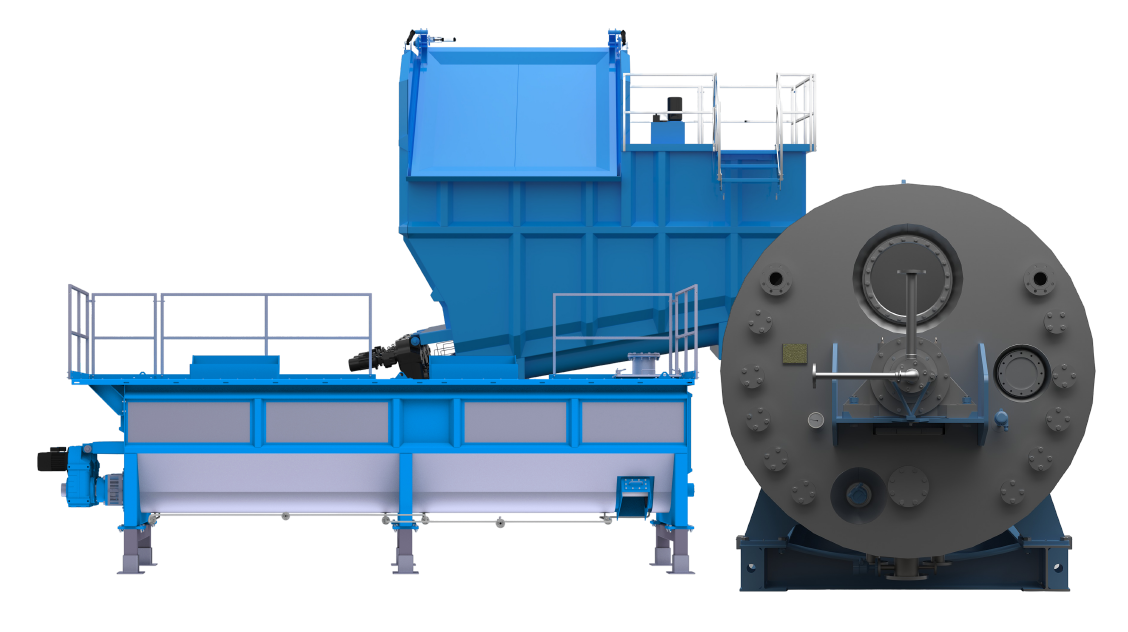
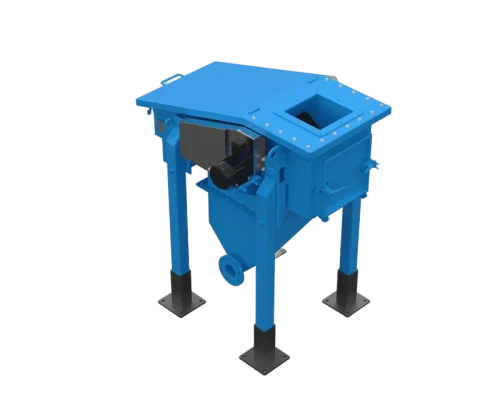
• Raw Material Bin and Buffer Bin for feed stabilization
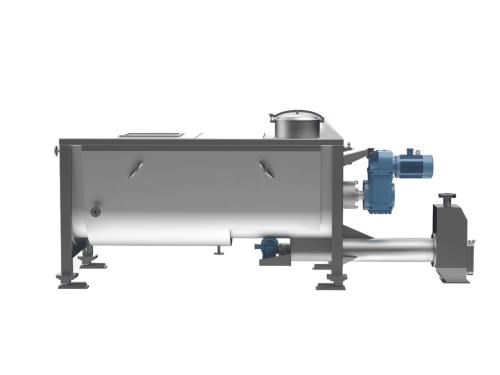
• Screw Conveyor for controlled transfer between blocks
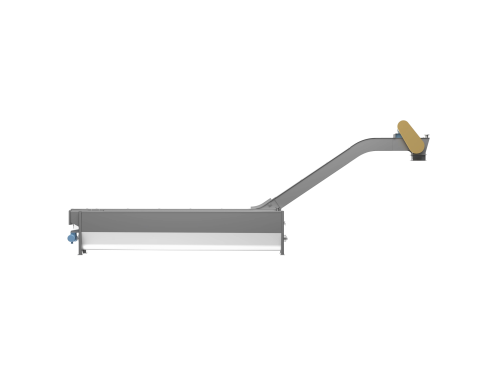
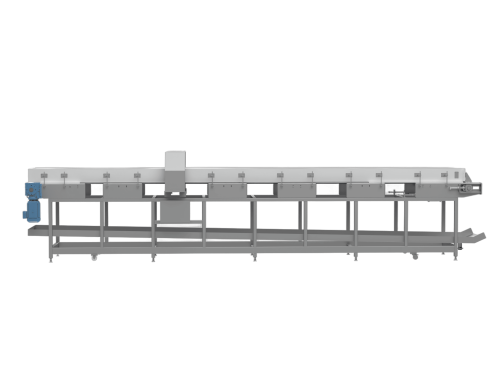
• Metal Detection Conveyor to support contamination control planning

Thermal blocks must hold heating profiles steady and provide predictable dehydration behavior.
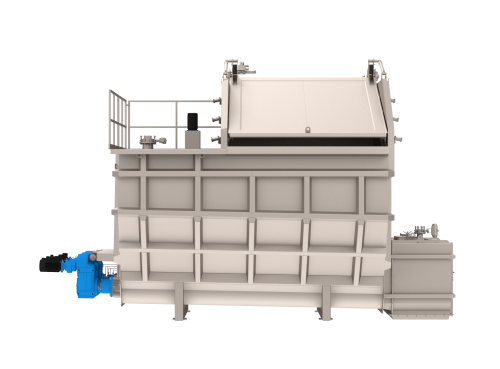
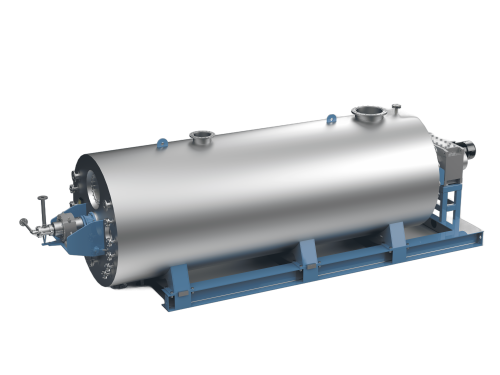
• Batch Cooker for defined cooking and dehydration cycles
• Continuous Cooker and Continuous Hydrolyser when continuous operation is required
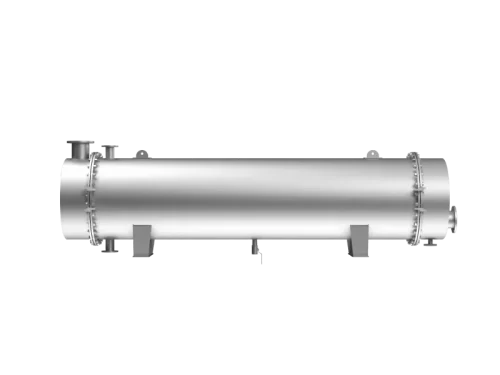
• Condenser Shell And Tube for vapor condensing and heat management integration
• Evaporation Concentration System when site conditions require additional vapor load handling

Separation stability drives fat quality and reduces downstream rework.
• Fat Screw Press or Twin Screw Press to separate solids and reduce fat load downstream
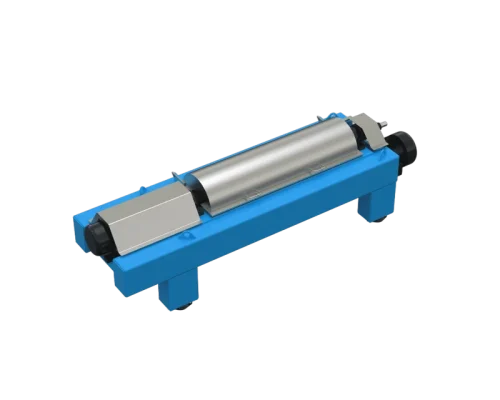
• Horizontal Decanter Centrifuge for continuous phase separation and stabilization
• Oil-residue Separation Boxes for staged separation control
• Fat Filtrator for clarification preparation and solids removal planning

Drying choices affect meal dryness, handling, and plant housekeeping.
• Disc Dryer for controlled drying and stabilization
• Meal Cooler to reduce discharge temperature and support handling stability

Clean fat handling is a system, not a single pump.
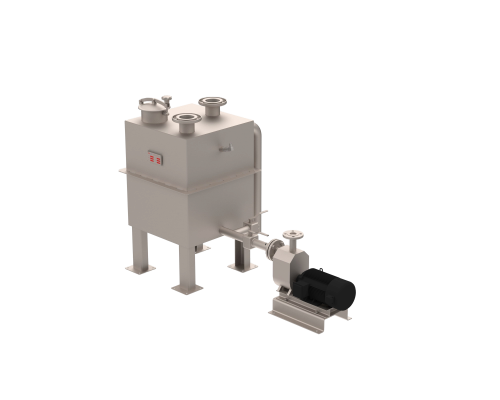
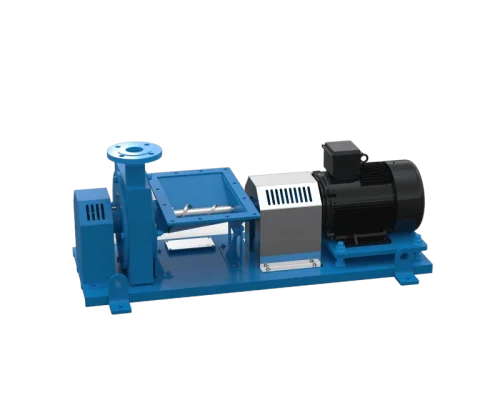
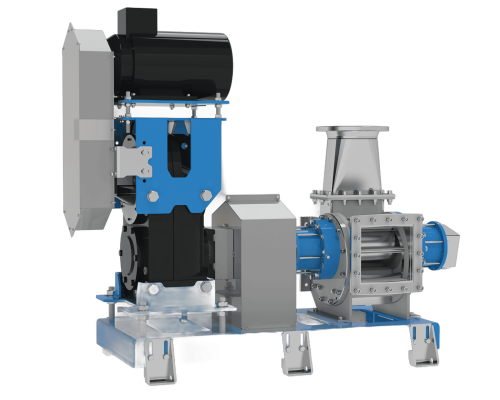
• Tallow Pump or Vane Pump for controlled transfer
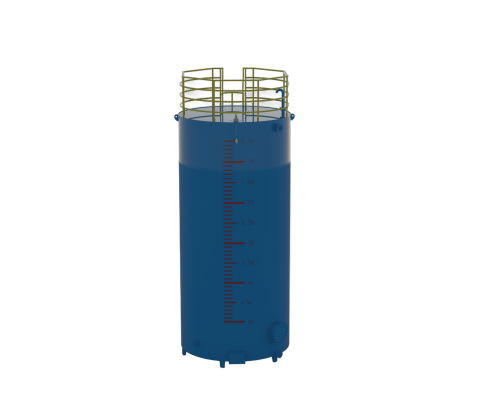
• Oil Tank and Oil Storage Tank for stable storage and controlled dispatch
• Vacuum Pump Unit where vacuum or vapor management is part of the selected configuration

These blocks protect cleanliness and help you plan exhaust management across long operating cycles.
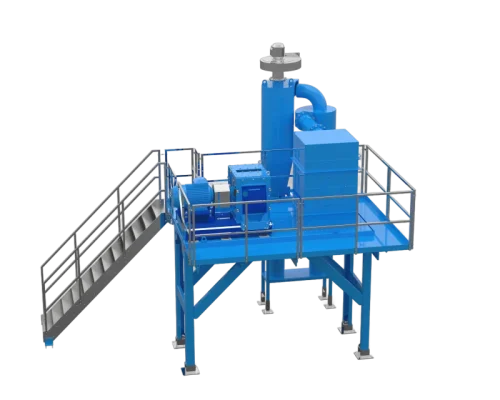
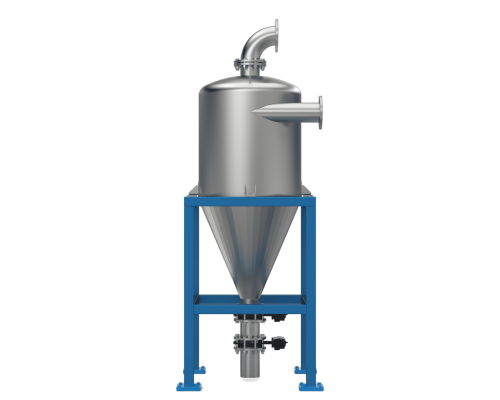
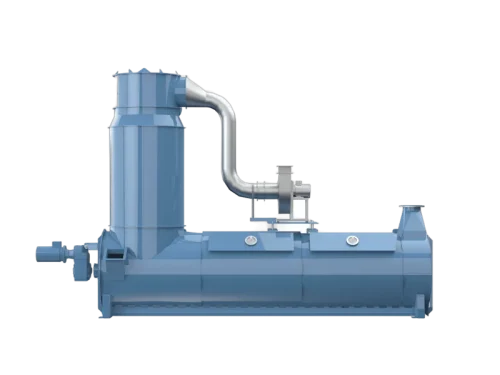
• Cyclone Dust Separator for dust separation support
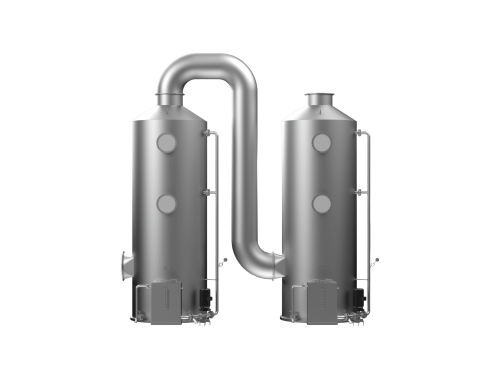
• Wet Scrubber to support downstream exhaust treatment planning
• Exhaust Abatement and Ionization Tower as part of site-specific odor and exhaust configurations
Feed buffering and controlled transfer reduce load swings and help the line hold repeatable operating conditions.
Defined thermal processing blocks keep heating profiles consistent and make dehydration behavior easier to control.
Mechanical separation staged with downstream clarification stabilizes fat quality and reduces rework caused by carryover fines.
Condensing, scrubbing, and dust separation blocks support exhaust management planning and help maintain plant cleanliness over long operating cycles.
Control-compatible integration supports temperature monitoring, level monitoring, and operating interlocks depending on your chosen configuration.
Fat quality becomes easier to hold when dehydration, separation, and clarification are consistent. Filtration and clean handling reduce carryover fines and help keep storage behavior stable.
Meal quality is driven by dryness targets, residual fat behavior, and cooling. Stable drying and discharge control reduce rework and make conveying and storage more predictable.
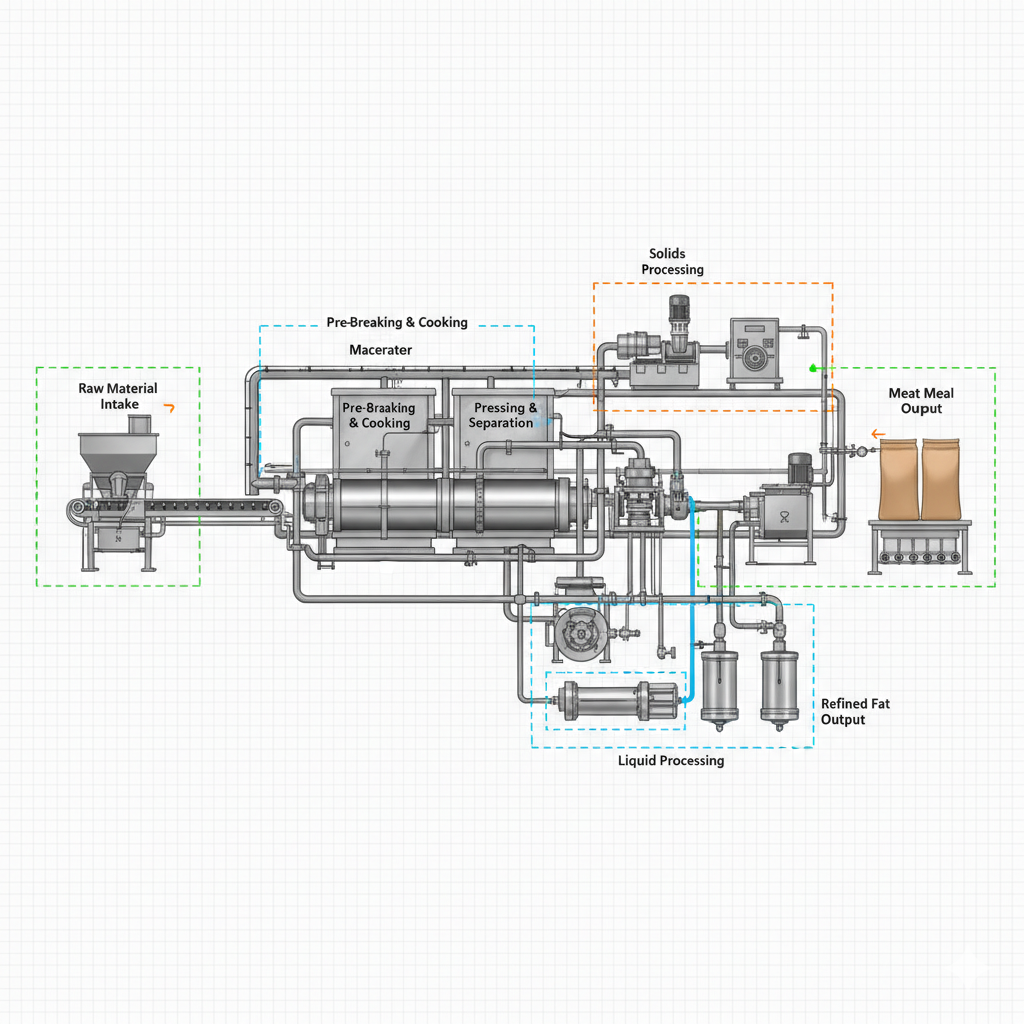
Rendering lines should be configured around your real operating conditions, not generic assumptions.
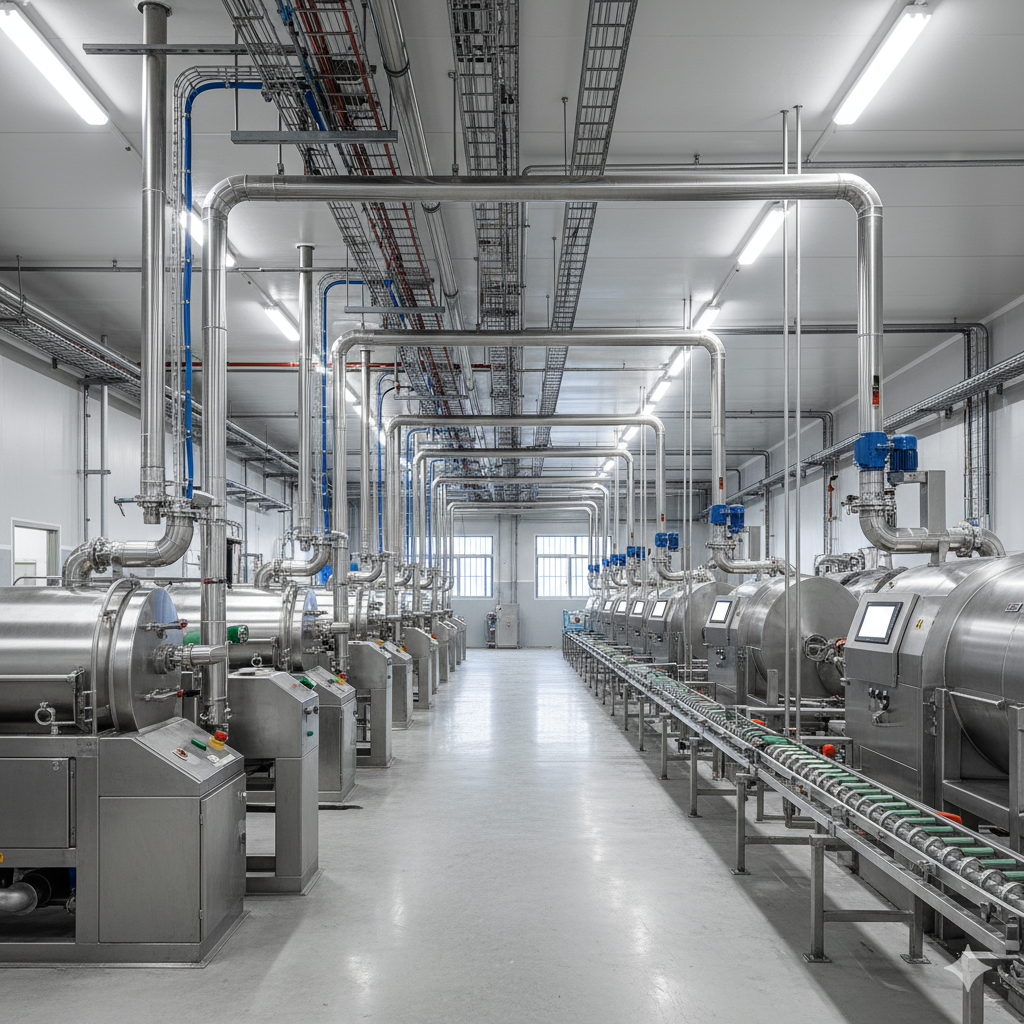
A complete project is more than equipment delivery. It includes line integration and the steps that make output stable after start-up.
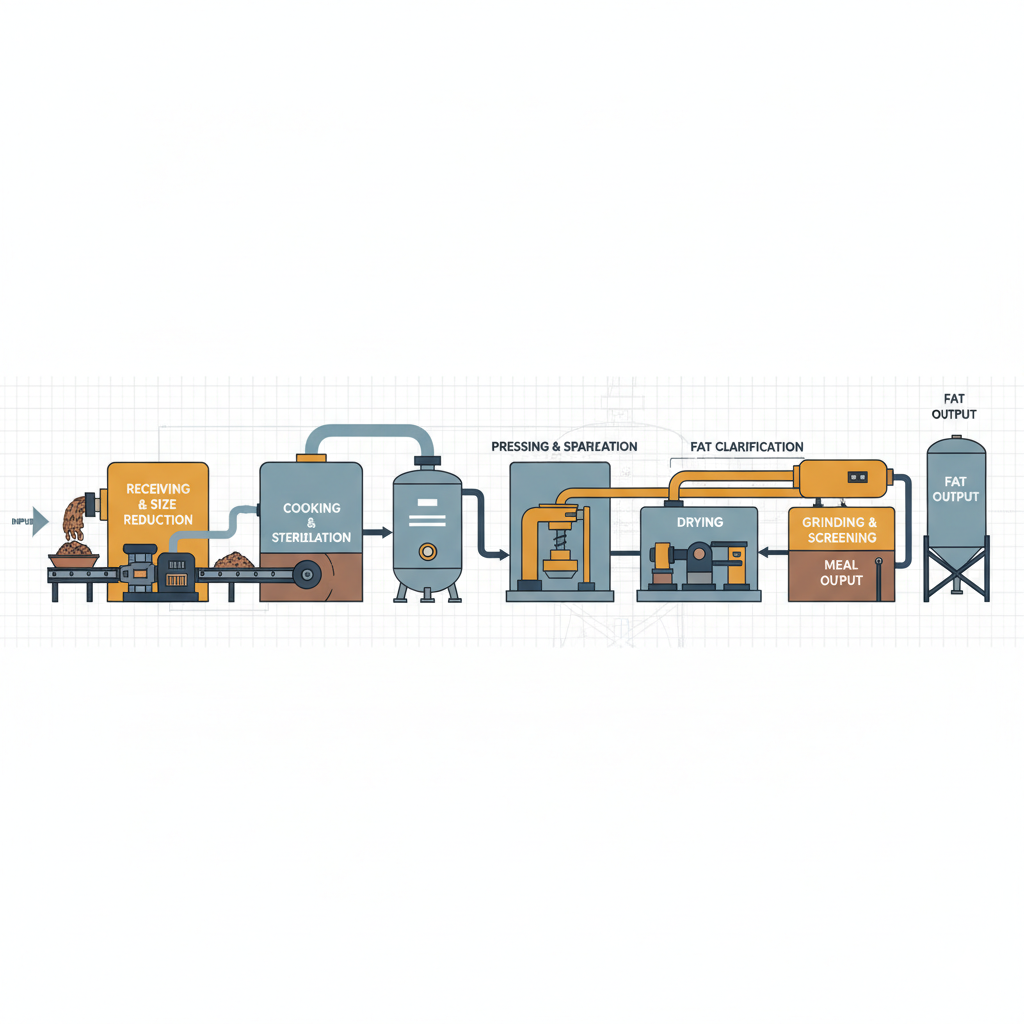
If you want a line that runs steady and produces consistent fat and meal outputs, start with the process route and block configuration.
Our high-capacity storage solutions ensure safe preservation of raw materials and finished animal fat products. Featuring temperature-controlled tanks, corrosion-resistant construction, and automated inventory management systems, we maintain product integrity throughout the storage cycle while meeting strict food-grade sanitation standards.
View More
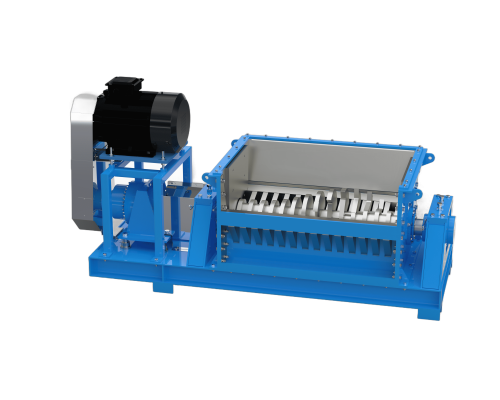
Specialized crushing equipment prepares raw materials for optimal rendering efficiency. Our heavy-duty crushers handle bones, tissues, and fatty residues with precision particle size reduction, ensuring uniform material consistency for downstream processing while minimizing energy consumption.
View More
Engineered conveying systems move materials seamlessly through your rendering workflow. From screw conveyors for viscous fats to pneumatic systems for dry matter, our transportation solutions guarantee contamination-free transfer with anti-clogging designs and CIP (Clean-in-Place) compatibility.
View More
Core processing systems combining thermal efficiency and material recovery optimization. Our continuous and batch rendering equipment utilizes advanced heat exchange technology to separate fat from protein while maintaining nutritional value, with options for dry/wet rendering processes.
View More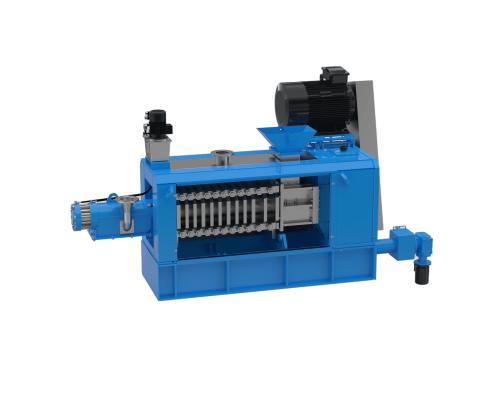
Discover our industrial-grade fat press machines, built to optimize oil recovery from cooked animal by-products in continuous rendering systems. Designed for high-volume poultry, meat, and fish processing plants, our fat screw presses and oil pressing equipment ensure low residual fat, stable operation, and seamless integration with cookers, dryers, and separation lines. Each model is engineered for long-term reliability and efficiency in demanding environments.
View More
Precision separation technology for purity-focused fat processing. Our three-phase decanters and centrifugal separators achieve 99.8% oil purification through advanced G-force separation, effectively removing water, impurities, and non-fat solids from final products.
View More
Rapid cooling systems that preserve product properties and ensure safe handling. Our plate chillers and crystallization units bring animal fats to optimal storage temperatures within controlled cooling curves, preventing thermal degradation while achieving perfect texture consistency.
View More
Compliant emission control solutions for environmentally responsible operations. Our scrubber systems and thermal oxidizers effectively neutralize odors, capture particulate matter, and reduce VOCs to meet EU/EPA standards, transforming rendering byproducts into eco-friendly outputs through regenerative thermal processing.
View MoreIf you have other questions about fat rendering equipment, please feel free to contact us.