
Industrial-Grade Animal Fat Primary Rendering
Explore MoreFood-Grade Animal Fat Primary Rendering
Explore MoreOur animal fat processing solutions cover rendering, separation, and odor control, providing scalable systems for efficient operations.

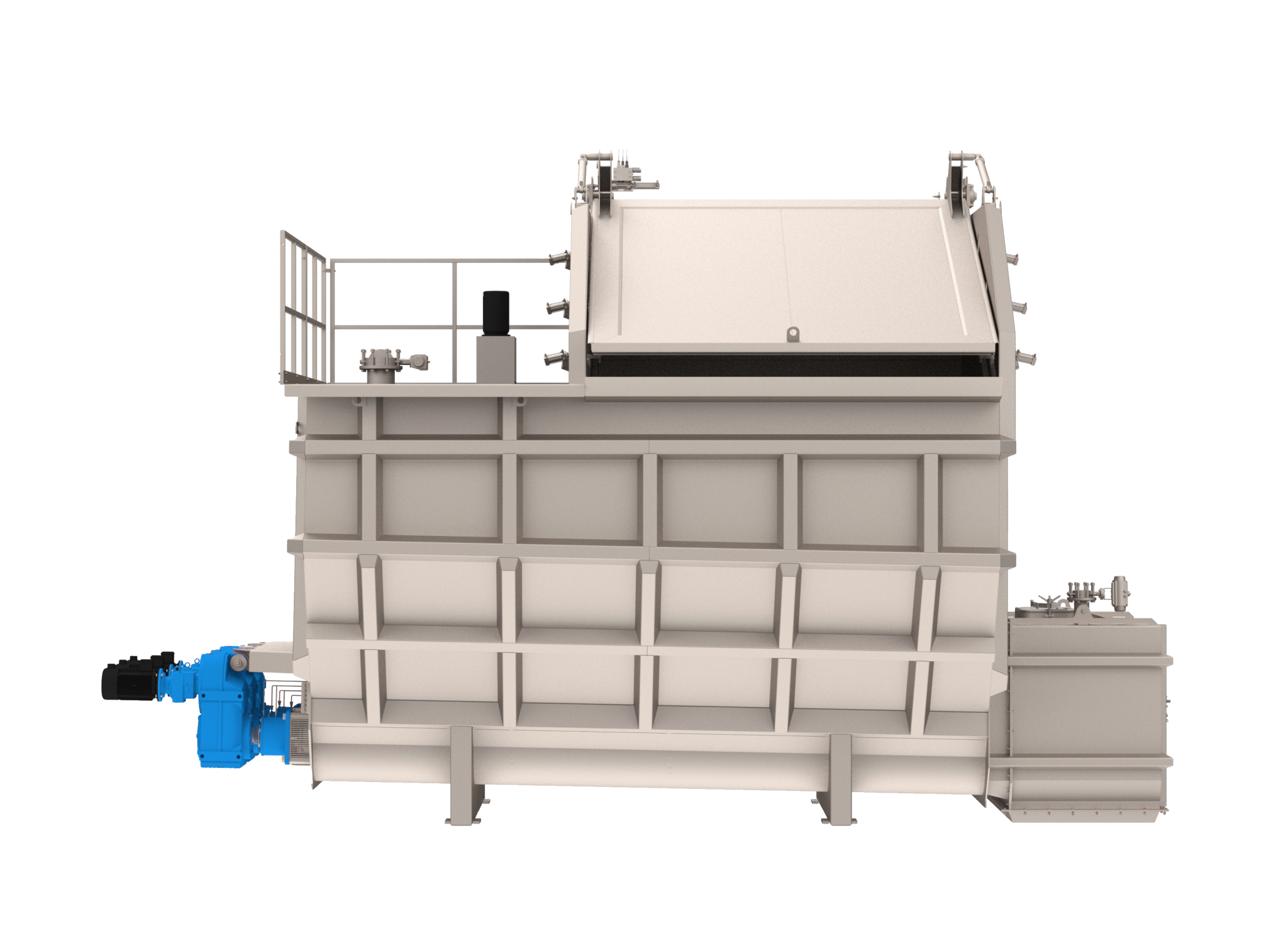
Raw Material Bin and Buffer Bin reduce load swings and help keep cooking and separation sections stable. Transfer routing uses Tallow Pump and Vane Pump to maintain steady flow and reduce surge-driven upsets in separation and filtration.
Batch Cooker is used as the core thermal block for fat release and moisture reduction. The section is configured to keep heating behavior consistent so downstream separation performance is easier to maintain.
Fat Screw Press supports stable primary fat recovery and helps reduce oil left in solids when feedstock variability is high. Horizontal Decanter Centrifuge provides continuous separation behavior that stabilizes the fat stream and protects downstream clarification and filtration from sudden changes.
Oil-residue Separation Boxes help define cleaner interfaces between recoverable fat and residual phases. Fat Filtrator reduces fine impurities before the fat stream enters storage routing, supporting more stable storage behavior and downstream handling.
Disc Dryer can be integrated where controlled drying behavior supports steady solids handling and reduces operational interruptions caused by bottlenecks or wet solids carryover.
Condenser Shell And Tube condenses process vapors into a manageable stream for waste gas treatment planning. Wet Scrubber Tower and Cyclone Dust Separator support exhaust handling by reducing carryover and particulate load, helping keep plant conditions more controllable.
Industrial animal fat processing is built around two primary thermal routes: wet rendering and dry rendering. The correct configuration depends on feedstock type, output fat quality target, and downstream application.
Wet rendering heats animal tissue in the presence of water or steam at controlled temperatures, typically between 70°C and 130°C depending on fat quality requirements. The water phase supports phase separation and helps preserve fat quality, making wet rendering the preferred route for food-grade tallow and lard. Centrifugal separation and clarification stages downstream reduce moisture and solids carryover before storage routing.
Dry rendering processes material at higher temperatures without added water, relying on the natural moisture content of the raw material. It is commonly used for inedible fat and tallow destined for industrial, oleochemical, or biofuel applications where a higher free fatty acid (FFA) level is acceptable. Mechanical dewatering via screw press and downstream filtration stabilize the fat stream before storage.
Both routes share the same core process stages: feedstock preparation and buffer feeding, thermal processing for fat release, mechanical separation, clarification and filtration, and exhaust and vapor treatment. The specific equipment configuration at each stage — cooker type, separation equipment selection, drying approach, and scrubbing — is determined by feedstock variability, output standards, and site constraints.
Our modular line covers both rendering routes. Individual process blocks are selected and scaled to match your plant's operational targets without requiring a full-line replacement.
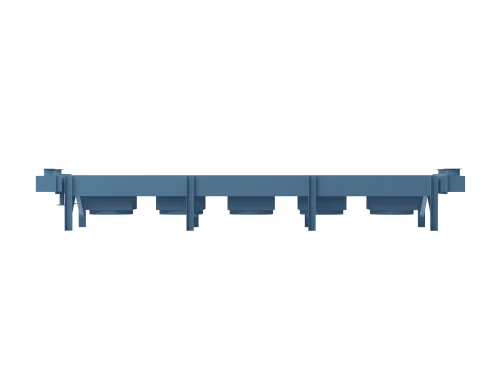
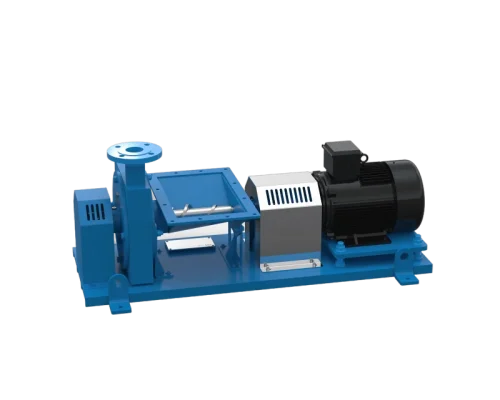
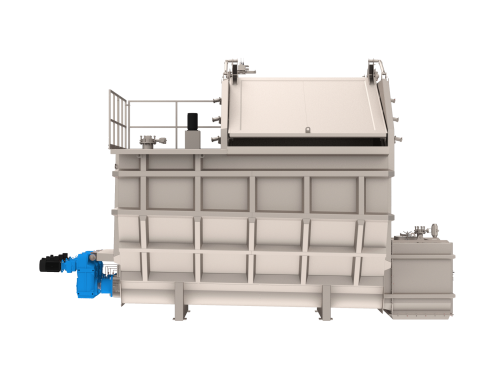

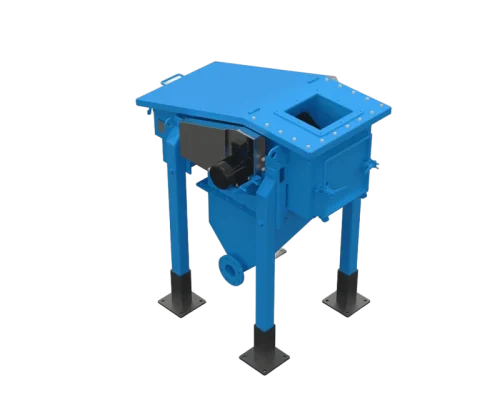
High-efficiency high-temperature refining system, suitable for lubricating oil, soap, chemical industry and other fields.

Primary rendering for food-grade animal fat focuses on controlled melting, stable separation, and clean transfer so the finished fat stays consistent for downstream refining, blending, or packaging.

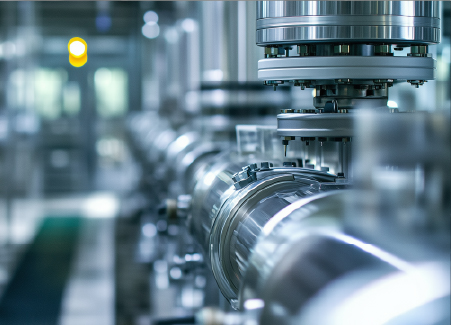
Configure primary separation and filtration routing to reduce solids and water carryover, stabilize clarity before storage, and keep operation steady under long-cycle production.
When hygiene and cleanliness requirements are higher, the primary processing route is configured around cleaner phase control, more controlled transfer routing, and stable separation performance. This supports consistent primary fat quality and prepares the fat stream for any downstream steps handled by your refining section or partners.
When downstream users require lower impurity risk, the primary route focuses on stabilization steps that reduce carryover and improve phase separation so storage and transfer remain consistent before any further downstream processing.
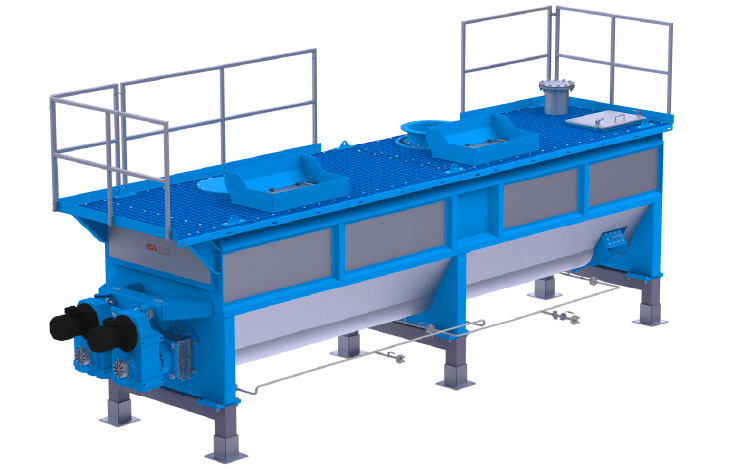
Buffering and controlled feeding reduce sudden load changes before the cooker, keeping heating behavior and fat release more consistent.
Stable thermal profiles help moisture removal stay predictable, which reduces separation drift and supports consistent fat quality.
Pressing and decanter separation work best when phase boundaries are clear, reducing carryover and stabilizing downstream clarification and filtration.
Condensing and scrubbing integrated into the line keep vapor and odor behavior more predictable and reduce unplanned cleaning disruption.
Depending on your chosen configuration, the solution can support practical integration points for temperature monitoring, level monitoring, and operating interlocks to help operators keep the process within stable operating windows.
Clear process blocks make it easier to locate where drift starts, correct it early, and avoid cascading instability that impacts yield, fat quality, and uptime.

Higher variability needs stronger buffering, stable primary separation, and clearer phase management before filtration to keep the fat stream consistent despite raw material changes.
Clarification and filtration routing are selected to match your target clarity and storage behavior, with a focus on stabilizing the fat stream before storage and transfer.
Layout, utilities, and exhaust expectations define how condensing and waste gas treatment sections should be integrated to keep operation steady and reduce cleaning disruption.
Pressing and decanter separation configured together typically reduce residual fat in solids to under 3–5% on stable feedstocks. Feed buffering before the cooker prevents the load swings that cause separation drift, keeping yield behavior consistent across long production cycles without manual correction.
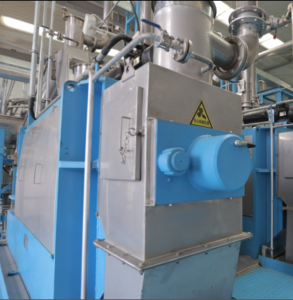
Condenser and wet scrubber sections integrated at design stage collect vapors from the cooking and separation zones before exhaust reaches the site perimeter. Early integration avoids the reactive retrofits that interrupt production — exhaust behavior stays predictable even during high-throughput cycles.
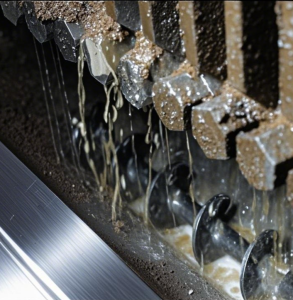
Indirect steam heating through the batch cooker and disc dryer reduces direct fuel exposure at the thermal stage. Depending on site utility configuration, heat recovered from condensing sections can be routed back into the process, reducing the net energy cost per ton of fat processed.

Chinese (Simplified)

English

Russian