
Industrial-Grade Animal Fat Primary Rendering
Explore MoreFood-Grade Animal Fat Primary Rendering
Explore MoreEfficient processing for high-purity, food-grade animal fat production, built on proven animal fat oil extraction methods.

Food-grade animal fat rendering extracts edible oil from chicken, duck, beef, mutton, and pork fat through controlled heating, separation, and purification. The process ensures high hygiene standards for cooking and food processing applications.
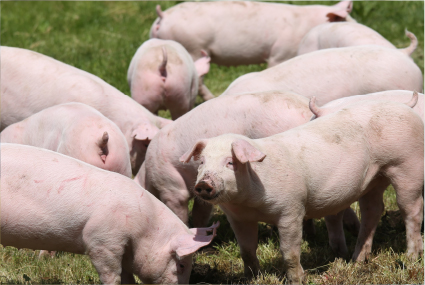
Pork fat — including back fat, belly trim, and leaf lard — requires a precisely configured rendering machine line to produce food-grade lard with the white color and neutral flavor demanded by food manufacturers and bakers.
A complete pork lard rendering machine system includes five core stages:
Pork Fat Pre-Crusher — Reduces chilled or frozen pork fat into uniform 10–20 mm particles, maximizing heat transfer efficiency and oil yield during the rendering stage.
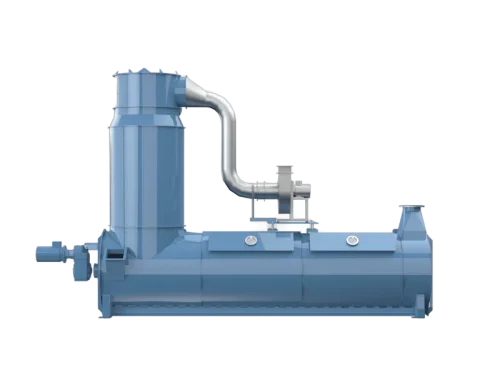
Batch Cooker or Disc Dryer — Renders pork fat under vacuum at 70–90°C. Vacuum conditions prevent oxidation and preserve lard's naturally white color and mild flavor profile.
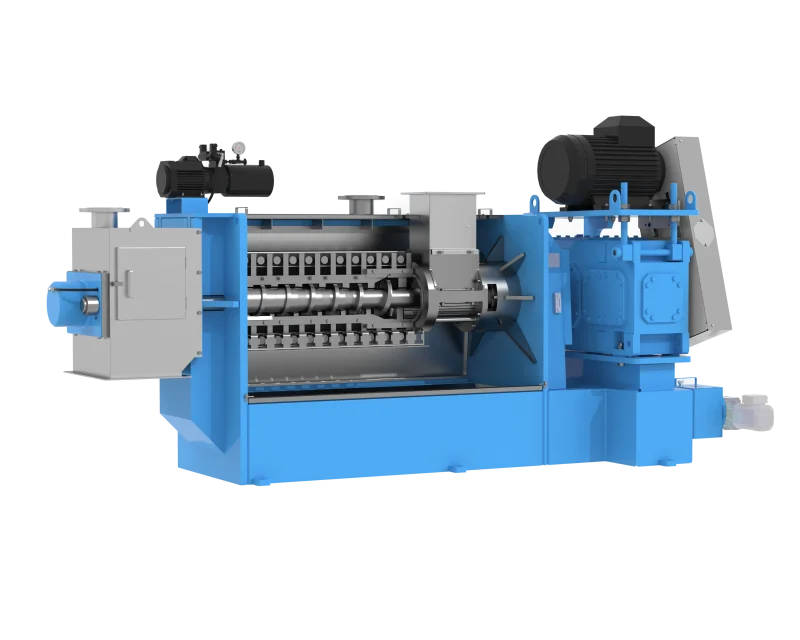
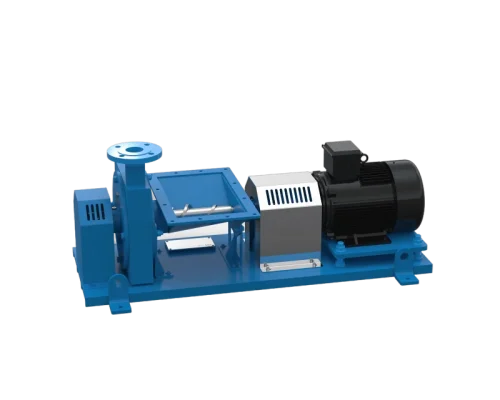
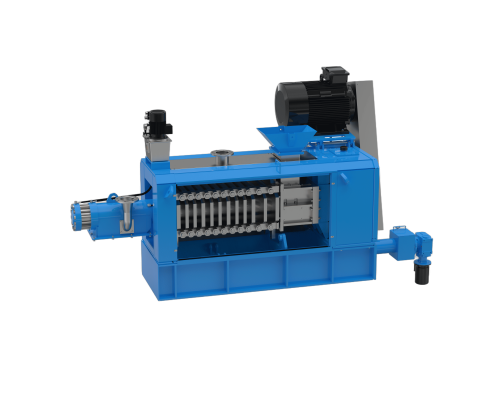
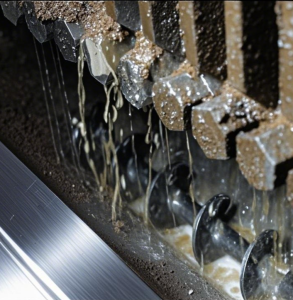
Fat Screw Oil-Press Machine — Fat Press Machine Strong mechanical press for high-yield oil extraction Three-stage spiral compression minimizes residual oil (as low as 9–14%) Seamlessly connects with cookers for continuous processing
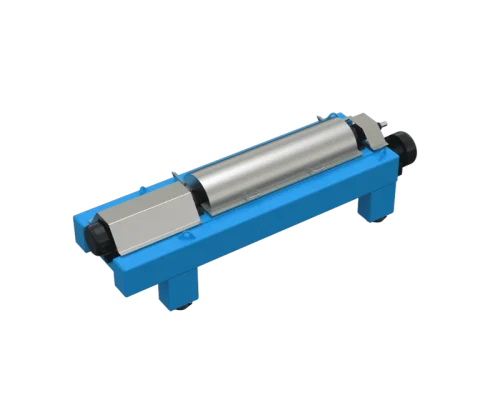
Horizontal Decanter Centrifuge — Removes fine solids and residual moisture from crude pork lard, improving oil clarity and extending shelf life.
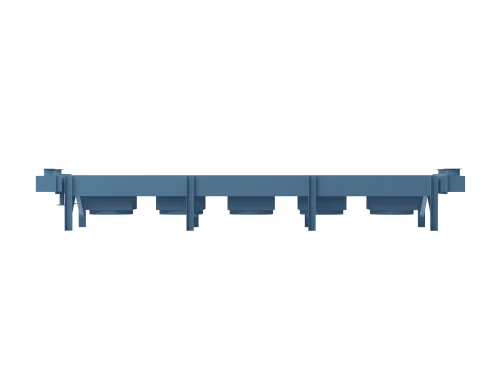
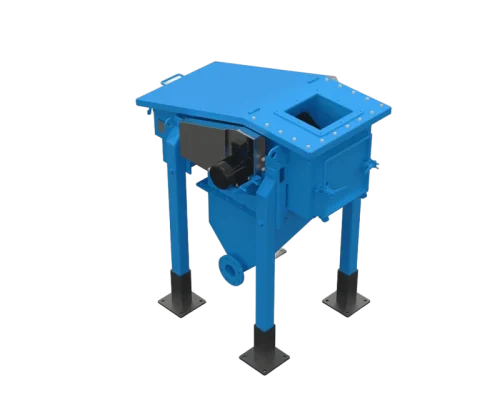
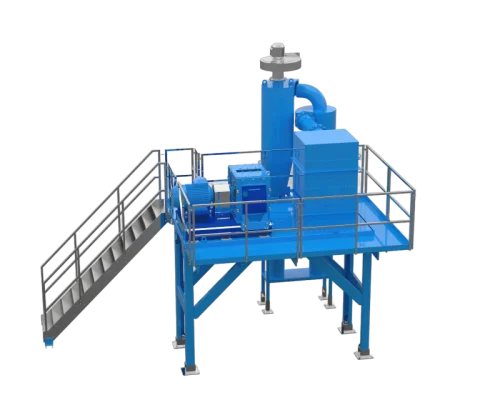
Oil-Residue Separation Box — Buffers and cools finished lard to prevent peroxide buildup before transfer to storage or optional downstream refining.
This pork lard rendering machine configuration handles capacities from 500 kg/h to 10+ t/h and can be adapted for batch or continuous operation to fit slaughterhouse or food factory output requirements.
Select fresh animal fat and crush it into uniform particles to improve heat transfer efficiency and oil yield.
Detect and remove metals, plastics, and other contaminants using mechanical and manual inspection systems.
Heat and mix raw material in a pre-melting tank to achieve a uniform molten state for further processing.
Process material under vacuum to remove moisture and odors while separating and refining the oil.
Separate solids and liquids using filtration and centrifugation to improve oil purity and recovery rate.
Optional refining processes such as degumming, deacidification, and deodorization are applied before final storage and packaging.
Select and crush chilled/frozen animal fats to uniform particles for optimal rendering.

Detect and remove metals and plastics from crushed materials.

Render materials in disc dryer under vacuum to separate oil, water and odors.

Refine oil under negative pressure to remove moisture and odors.
Separate impurities and transfer finished oil to storage tanks.






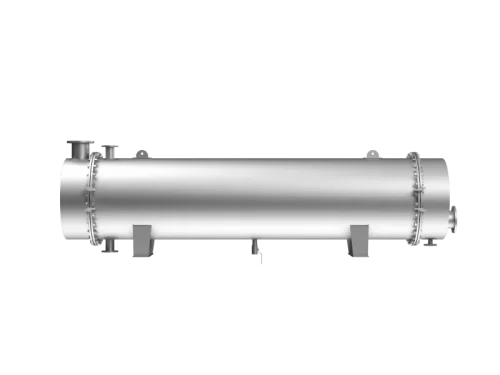



Advanced thermal design ensures large heat exchange area and stable continuous production.
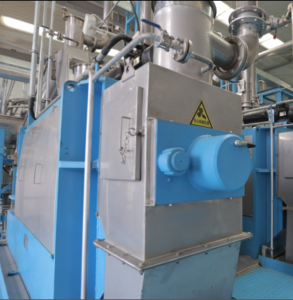
Vacuum conditions accelerate moisture and odor removal, improving final oil quality and stability.
 Industry Success Case
 News
News
 Industry Success Case
 Uncategorized
News
News
Uncategorized
News
News

Chinese (Simplified)

English

Russian