
Industrial-Grade Animal Fat Primary Rendering
Explore MoreFood-Grade Animal Fat Primary Rendering
Explore MoreConvert raw animal fat into industrial oils, tallow, and feed-grade by-products with efficient continuous rendering and separation — for a step-by-step technical breakdown, see our animal fat extraction guide.
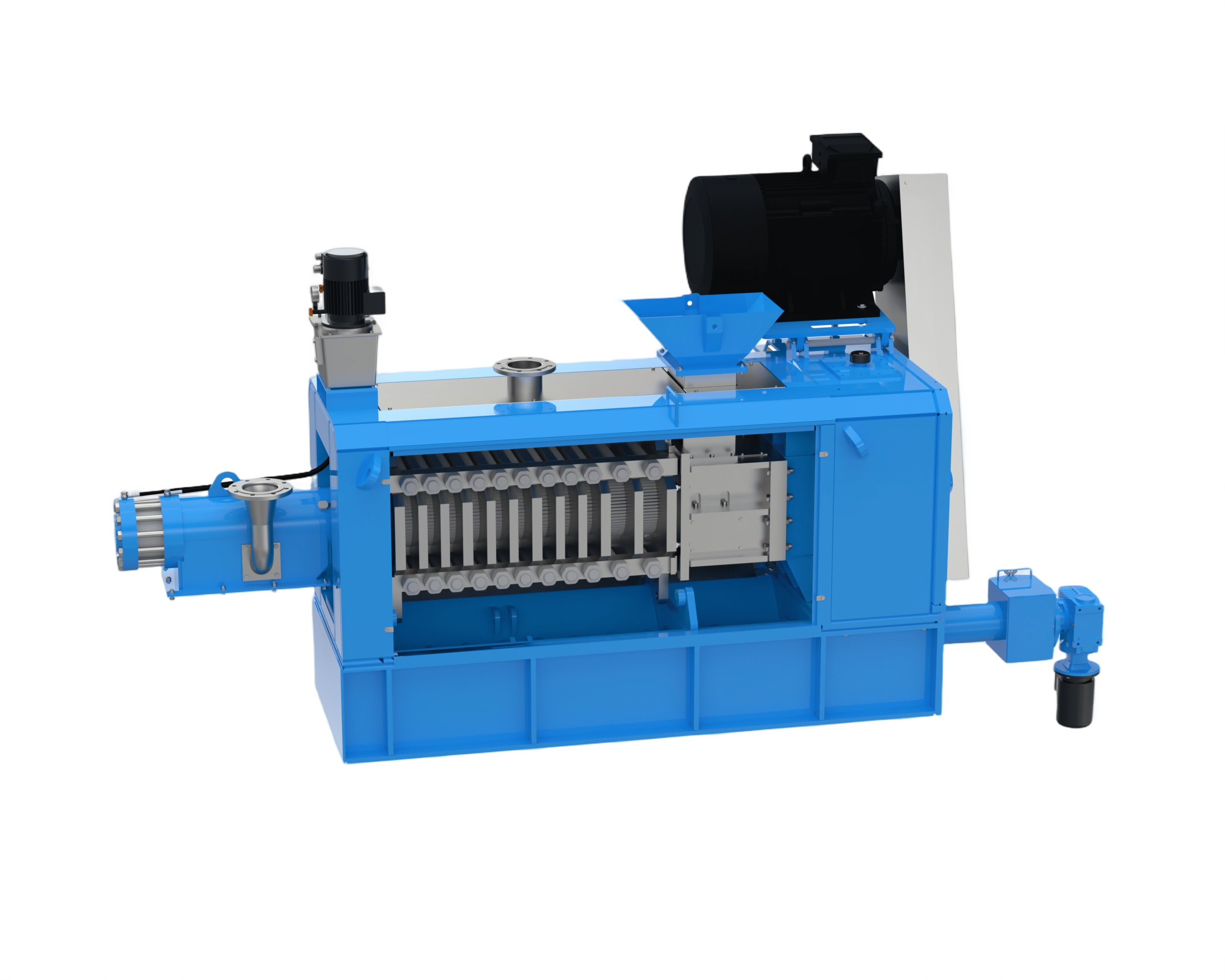
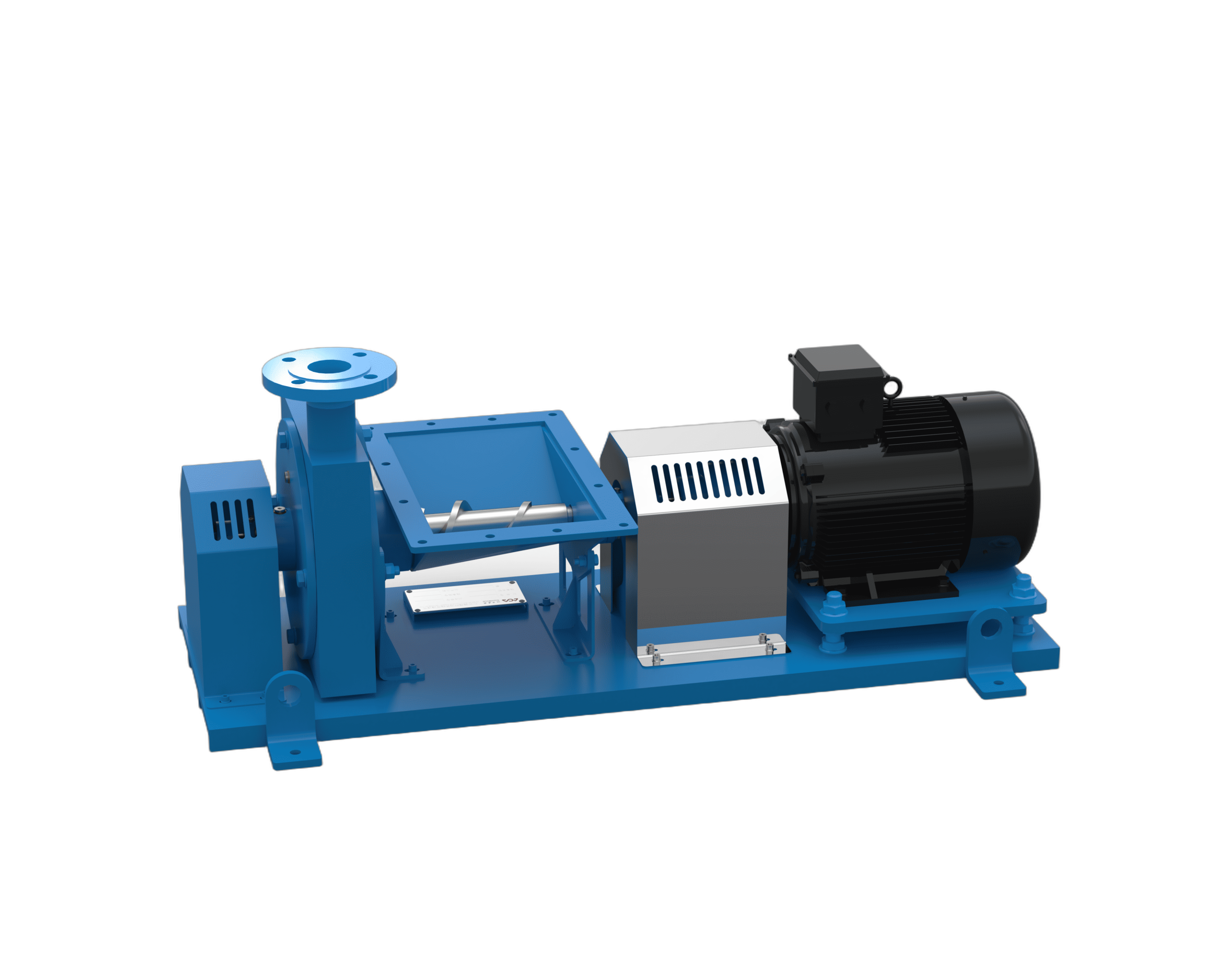
Industrial animal fat rendering is used to extract oil, tallow, and protein by-products for food, feed, and industrial applications. The process handles large volumes of raw fat from pigs, cattle, sheep, poultry, and other animals, converting them into usable oils for soap, biodiesel, lubricants, and animal feed. It combines controlled heating and mechanical separation to improve efficiency, product quality, and environmental compliance.
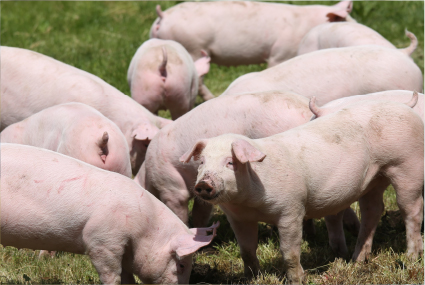
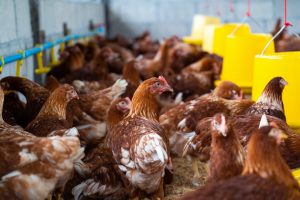
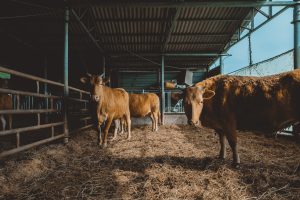
Select high-quality chilled or frozen animal fats (chicken, duck, cattle, sheep, pig) ensuring freshness, odor-free and pollution-free; crush materials to uniform particles to increase surface area and improve rendering speed and oil yield.
Carry out mechanical metal detection and manual plastic/plasticizer inspection on crushed materials to remove foreign matter.
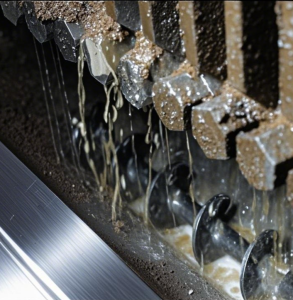
Render preheated materials in the disc dryer under steam heating; use internal scraper for large heat exchange area and high efficiency; return oil and add base oil to ensure even heating; under vacuum remove moisture and odor molecules via condenser and exhaust equipment.
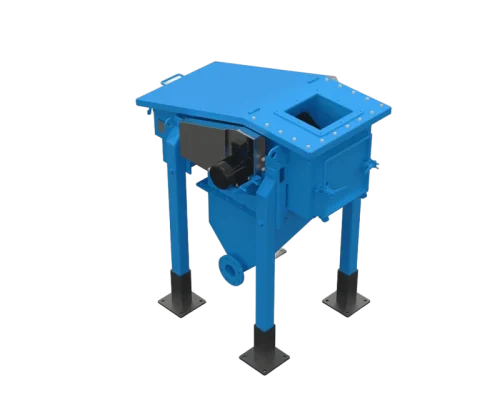
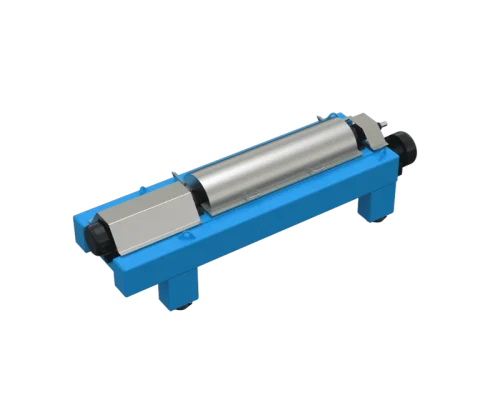
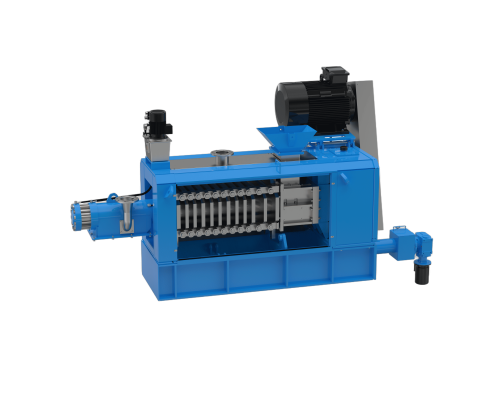
Separate rendered oil residue in separators; large residues enter buffer and oil press for physical pressing into food-grade or feed-grade fats and oil cakes; fine mixture sent to centrifuge for fine separation to obtain finished oil.
Further refine oil through degumming, deacidification, decolorization, deodorization as needed; package in sealed containers to ensure quality during storage and transport.
Select and crush chilled/frozen animal fats to uniform particles for optimal rendering.

Detect and remove metals and plastics from shredded materials.

Render materials in disc dryer under vacuum to separate oil, water and odors.

Separate and press residues to obtain oil and oil cakes; centrifuge fine mixture to get finished oil.
Refine oil to remove impurities and package in sealed containers.
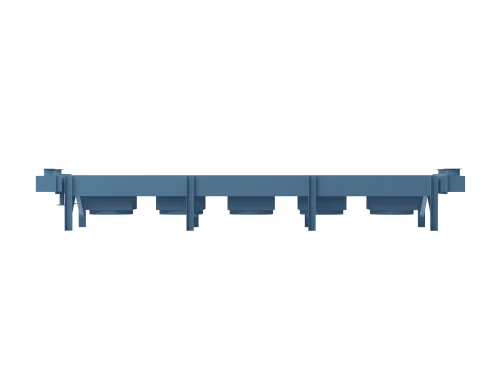
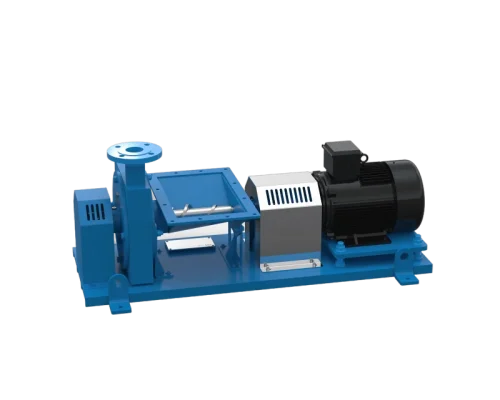
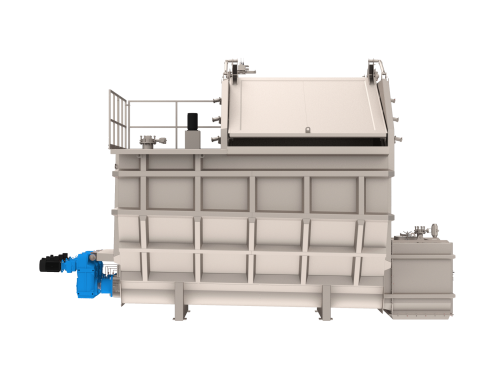

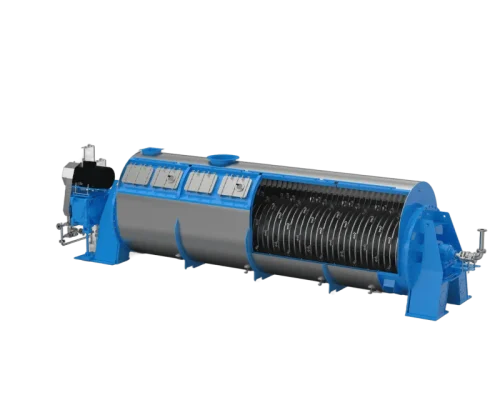

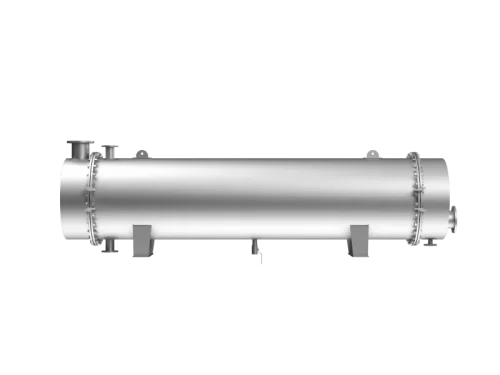
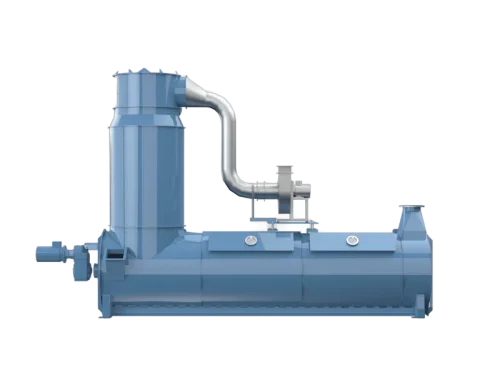
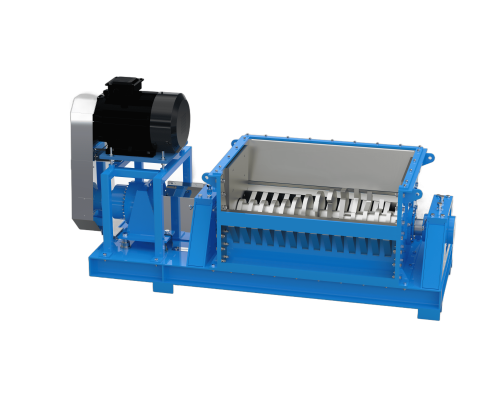
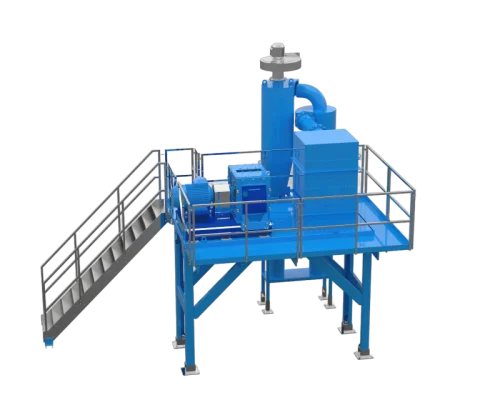


Disc dryer with scraper provides large heat exchange area and high production efficiency.
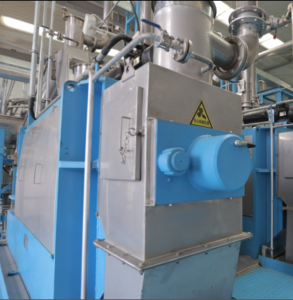
Under negative pressure, moisture and odor molecules are quickly removed to improve oil purity.
 Industry Success Case
 News
News
 Industry Success Case
 Uncategorized
News
News
Uncategorized
News
News

Chinese (Simplified)

English

Russian