
Industrial-Grade Animal Fat Primary Rendering
Explore MoreFood-Grade Animal Fat Primary Rendering
Explore MoreExtracting oil from animal fat is a controlled rendering process in which heat and mechanical force separate melted fat from tissues, water, and fine solids. Whether the final product is edible tallow, feed-grade fat, or industrial oil, the extraction method follows the same core logic. This guide explains how the process works and how modern equipment improves yield, quality, and efficiency.
Animal fat is naturally embedded inside connective tissues, bone structures, and meat fibers. To release the oil, the material is first cooked to melt the fat and then mechanically separated into oil and solids. The quality of each step directly affects the oil’s clarity, color, stability, and final application.
A well-designed extraction line keeps temperatures controlled, maintains consistent feed flow, and ensures every particle is fully processed. The following sections walk through each step in detail.
Extraction begins with stabilizing and preparing raw materials. Crushers reduce the material into uniform particles so heat can reach the center quickly and evenly. This prevents under-processed cores and improves the melting rate inside the cooker. Before entering thermal processing, a metal-detection conveyor removes ferrous and non-ferrous contamination to protect pumps, presses, and centrifuges.
Stable feed flow improves throughput and helps maintain low residual oil in the final meal.
Cooking is the core of the extraction process. A Fat-Melting Kettle or Rotary Disc Dryer heats the material to 100–140°C until the fat becomes fully liquefied. Batch kettles are ideal for food-grade or small to medium-scale lines, while disc dryers deliver continuous, high-capacity processing for feed-grade operations.
Vacuum rendering further improves product quality. A vacuum pump station lowers the boiling point of water, which accelerates dehydration, prevents thermal damage, and reduces odor emissions. Vapors are condensed through a shell-and-tube condenser to keep exhaust clean and energy-efficient.
The result of cooking is a fluid mixture made of melted fat, water, and cooked solids.
Mechanical separation turns the cooked slurry into distinct streams of oil and solid meal. The mixture first passes through an Oil-Residue Separation Box, where free fat flows downward and solids are guided toward pressing. Temperature control inside the buffer tank prevents oxidation and stabilizes the flow for downstream equipment.
The Screw Fat Press Machine performs the main extraction. High-compression pressing forces fat out of tissues and reduces residual oil in the pressed cake to 9–14%. This step is essential for maximizing oil yield and improving the quality of meat-and-bone meal.
A Continuous Horizontal Centrifuge then polishes the fat by separating remaining moisture and fine solids. The result is a clean stream of crude tallow ready for filtration and dehydration.
After pressing and centrifugation, the crude oil still contains trace impurities and moisture. A Fat Vibratory Screen removes suspended solids, ensuring smooth pump operation and protecting storage tanks. Vacuum dehydration further reduces moisture, stabilizing the oil and preventing rancidity during storage.
Once dehydrated, the oil is cooled and pumped into Finished-Oil Tanks or Heated Buffer Tanks for long-term storage. Controlled cooling protects the oil from oxidation and preserves product quality.
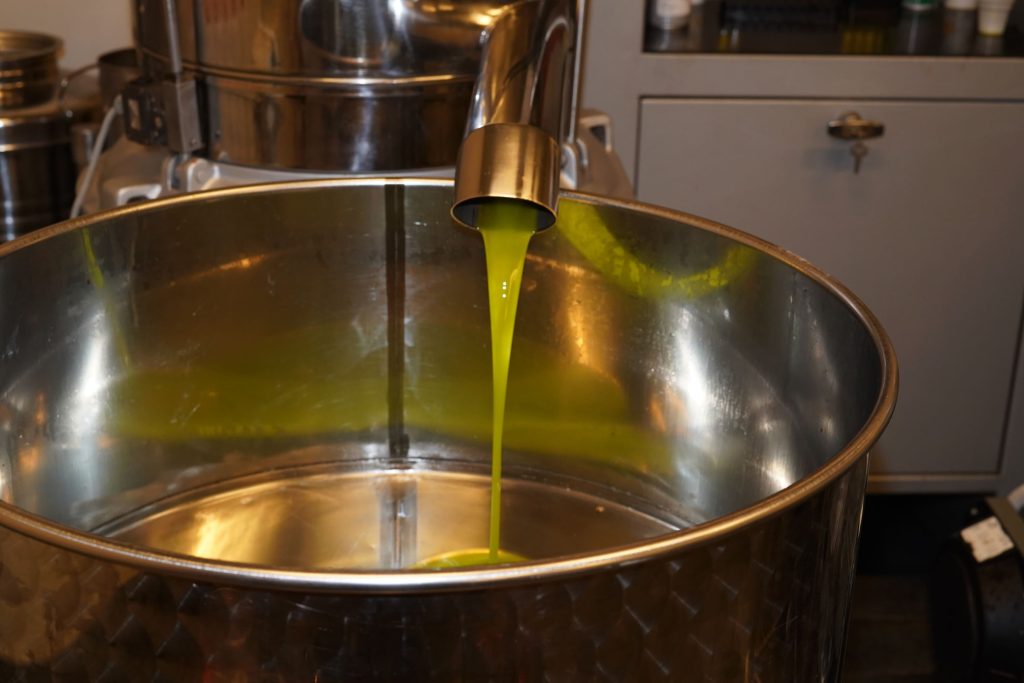
If premium quality is required, the crude fat undergoes additional refining. Degumming removes phospholipids, while neutralization reduces free fatty acids. Decolorization and deodorization improve appearance and flavor, and winterization removes waxes for applications that require clear oil at room temperature.
Refined tallow serves food, cosmetics, pharmaceutical, and HVO fuel markets.
| Equipment | Role in Extraction Process |
|---|---|
| Crusher | Reduces particle size for uniform heating and faster melting. |
| Metal-Detection Conveyor | Removes metal contamination before thermal processing. |
| Batch Cooker | Batch melting and sterilization of raw materials. |
| Rotary Disc Dryer | Continuous cooking and moisture removal for large-volume lines. |
| Oil-Residue Separation Box | Pre-separates free oil from cooked slurry. |
| Screw Fat Press Machine | High-compression pressing to extract entrapped oil. |
| Continuous Horizontal Centrifuge | Final separation of oil, water, and fine solids. |
| Fat Filtrator | Removes small particles before oil storage. |
| Vacuum Pump Station + Shell-and-Tube Condenser | Dehydration, odor reduction, vapor condensation, and quality protection. |
| Finished-Oil Tanks | Provides cooling, settling, and stable long-term storage. |
Industrial oil extraction relies on a controlled sequence of melting, pressing, centrifugation, and dehydration. When each stage is optimized, plants achieve high oil yield, clean crude fat, and stable meal quality. Proper equipment selection ensures consistent processing, energy savings, and long-term reliability.
Extracting oil from animal fat depends on understanding how heat and mechanical force work together. By combining efficient crushing, uniform cooking, high-compression pressing, and precise centrifugation, modern rendering plants convert animal by-products into valuable oils for food, feed, and industrial markets. When supported by vacuum systems, condensers, and filtration units, the entire process becomes cleaner, safer, and far more efficient.
 Industry Success Case
 Industry Success Case
 Industry Success Case
 Industry Success Case
 Industry Success Case
 Industry Success Case