
Industrial-Grade Animal Fat Primary Rendering
Explore MoreFood-Grade Animal Fat Primary Rendering
Explore MoreA poultry rendering plant is an industrial processing facility that converts poultry by-products — including chicken carcasses, skin, bones, offal, feathers, and blood — into commercially valuable outputs: rendered chicken fat, poultry meal, and feather meal. For processors and integrators operating at scale, a well-engineered poultry rendering plant transforms what would otherwise be a waste-disposal cost into a measurable revenue stream, with premium chicken fat and poultry meal commanding consistent demand across animal feed, pet food, and biofuel markets.
In the poultry processing industry, chicken rendering plays a crucial role in converting waste materials into valuable products like animal feed, biofuels, and premium chicken fat. A well-designed chicken rendering plant not only improves efficiency but also enhances the recovery of high-quality chicken fat.
In this article, we will explore how a high-efficiency chicken rendering plant maximizes chicken fat recovery through optimized processes and cutting-edge equipment.
Chicken rendering is the process of converting chicken by-products, including feathers, skin, bones, and fat, into usable forms. The rendering process is vital for creating a sustainable, environmentally friendly solution for waste disposal while also producing high-value products. Among these, premium chicken fat is in high demand due to its excellent properties as an ingredient in animal feed and other commercial applications.
A high-efficiency chicken rendering plant utilizes advanced technologies to improve the yield and quality of chicken fat. By maximizing the recovery rate of chicken fat, poultry processors can not only reduce waste but also significantly increase profitability.
Key components of a high-efficiency chicken rendering plant include the fat screw press for oil extraction, alongside the rendering cooker, decanter, and dryer stages.
The rendering process begins with the Crushing Unit (or Size-Reduction Module), which efficiently breaks down chicken by-products into smaller particles. This step is crucial for increasing surface area, allowing for better fat extraction.
After the by-products are processed, Fat Transfer Pumps move the rendered fat through the system. These pumps are designed to handle the viscous nature of the fat, ensuring smooth transfer to the next stages of the process. Vane Pumps and Metal-Detection Conveyors are incorporated to guarantee that the fat is pure and free from any metal contaminants.
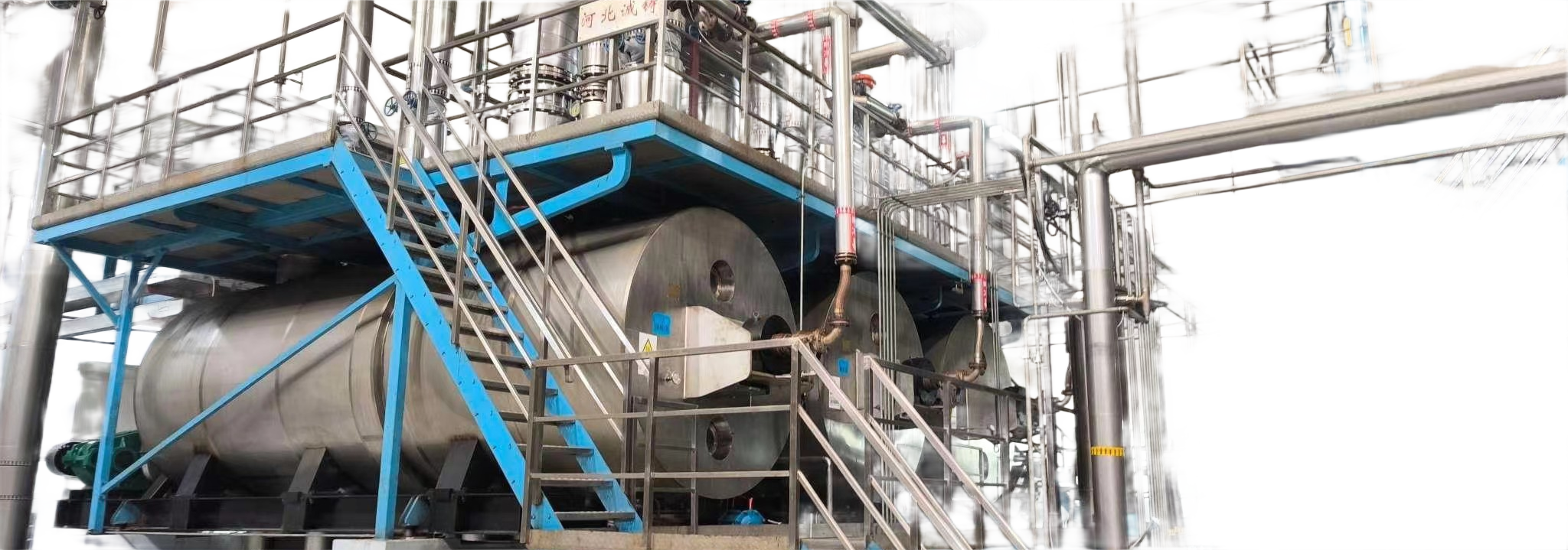
Clean raw materials will enter the smelting kettle for negative pressure oil refining, resulting in crude animal oil and solid oil residue.
The rendered fat residue is then subjected to Screw Fat Press Machines, which further squeeze out any remaining fat from the solid material. This step helps to maximize the recovery rate and ensure that the final product has the highest possible quality.
Continuous Horizontal Centrifuges are used to separate the fat from any remaining solids. This equipment efficiently separates fats, oils, and water, ensuring the purest form of chicken fat is recovered. Fat Vibratory Screens also help in filtering out unwanted particles, making sure that only high-quality chicken fat is retained.
Meal Coolers are used to lower the temperature of meat-and-bone meal after rendering, ensuring safe handling and stable quality — see the full meat rendering plant system overview for how this fits into an integrated processing line. Shell and Tube Condensers condense process steam and exhaust gases generated during rendering and drying, improving energy efficiency and waste-gas treatment.
Wet Scrubber Towers and Cyclone Dust Separators are installed to capture and neutralize waste gases generated during the rendering process. These systems ensure that the plant operates within environmental regulations and contributes to a cleaner and more sustainable operation.
A high-efficiency chicken rendering plant focuses on maximizing the recovery of premium chicken fat through various means:
Using equipment such as Screw Fat Press Machines and Continuous Horizontal Centrifuges ensures that the fat extraction process is as efficient as possible. Each component is designed to minimize waste and maximize fat recovery, making it possible to extract every last drop of valuable chicken fat.
The combination of Fat Vibratory Screens and Metal-Detection Conveyors ensures that the extracted fat is free from contaminants. By employing advanced separation technologies, the plant can provide a pure and high-quality product.
A high-efficiency chicken rendering plant is designed to operate with minimal energy consumption. Through advanced control systems and efficient pumps, the plant minimizes energy waste, reducing operational costs while maintaining high fat recovery rates.
Modern vacuum pump stations and advanced control systems allow for real-time monitoring and optimization of the rendering process. By adjusting parameters such as pressure, temperature, and flow rates, the plant can ensure that the fat recovery process is running at peak efficiency.
A chicken rendering plant serves several critical functions in modern poultry processing. The recovered fat is then processed and refined for use in various industrial applications, including:
The premium chicken fat and meat meal produced in rendering plants are essential ingredients for high-quality animal feed. These by-products offer valuable nutrients that support the growth and health of livestock.
Rendered chicken fat is a sustainable feedstock for biodiesel production. Its high energy content makes it an ideal material for renewable biofuels, contributing to greener energy solutions.
The high-quality rendered proteins and fats are widely used in the production of premium pet foods. They provide essential nutrients, ensuring a healthy and balanced diet for pets.
Selecting the right chicken rendering plant starts with matching system capacity to your daily raw material input volume. Standard configurations are available across three capacity tiers:
Small-scale (1–5 t/d): Batch-type systems suited to independent poultry farms and small slaughter operations with limited by-product volumes. Lower upfront investment, manual or semi-automatic operation.
Mid-scale (10–30 t/d): Semi-continuous or fully continuous systems for regional slaughterhouses and integrated poultry processors. PLC-based automation is standard at this range, with full waste gas treatment included.
Industrial-scale (50–100+ t/d): High-throughput continuous rendering lines for large poultry groups and processing conglomerates. Dual-line configurations are available for redundancy and uninterrupted production.
Total project investment is determined by several key factors:
Contact our engineering team for a capacity-matched quotation and project feasibility assessment tailored to your operation.
A high-efficiency chicken rendering plant maximizes chicken fat recovery through state-of-the-art equipment and optimized processes. By focusing on fat extraction, waste reduction, and energy efficiency, poultry processors can boost profitability and contribute to a more sustainable operation. With the increasing demand for high-quality chicken fat in various industries, investing in a well-designed rendering plant is an excellent way to meet both economic and environmental goals.
 Industry Success Case
 Industry Success Case
 Industry Success Case
 Industry Success Case

Chinese (Simplified)

English

Russian