
Industrial-Grade Animal Fat Primary Rendering
Explore MoreFood-Grade Animal Fat Primary Rendering
Explore MoreIn mid-to-late October, the oleochemical price tables revealed a striking contrast: on October 20,SunSirs quotations showed imported stearic acid 1801 at RMB 9,050-11,500/ton and oleic acid (premium grade) at RMB 7,500-12,500/ton, with firm price levels;meanwhile the glycerin market was weakening — Zhuochuang data showed East China industrial-grade 99.5% refined glycerin closing at RMB 8,700/ton on October 15,down RMB 300/ton from the mid-September peak of RMB 9,000/ton. Yet these two products once sat inside the same fat molecule.
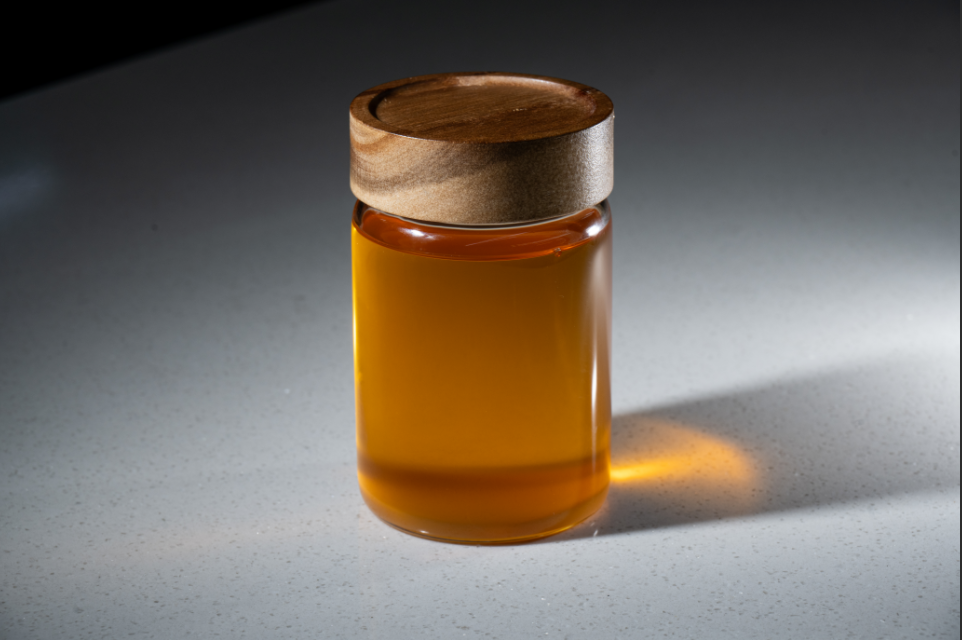
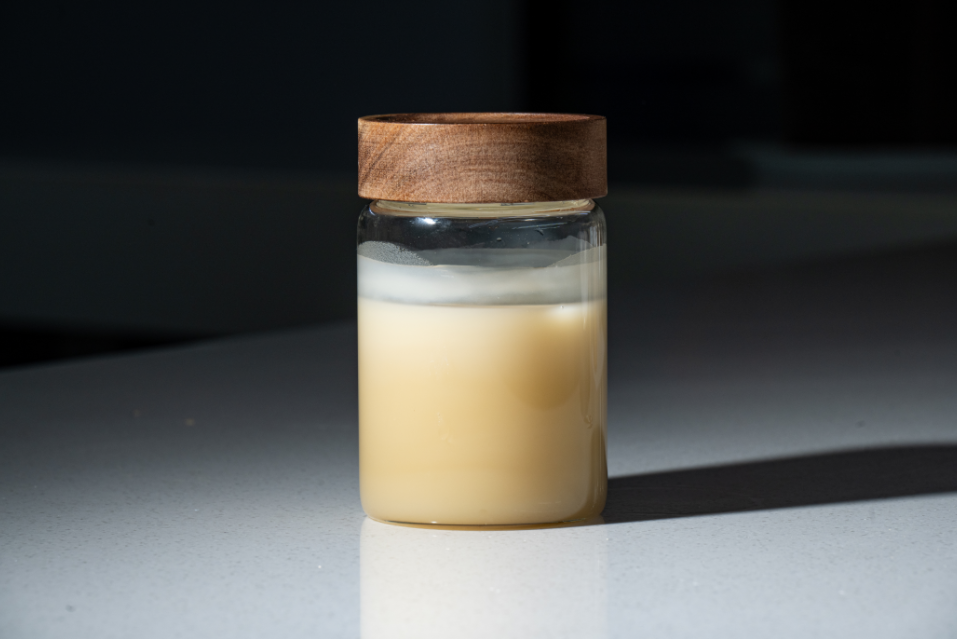
One Molecule, Two Halves
The chemical backbone of animal fats (beef tallow, lard, poultry fat) is the triglyceride: one glycerin molecule bonded to three fatty acid molecules.Rendering merely extracts them from fatty tissue — it does not change this structure.The real "split of value" happens downstream: after transesterification or high-pressure hydrolysis,fatty acids and glycerin go their separate ways — fatty acids become oleochemicals such as stearic and oleic acid,while glycerin enters the chemical market as an independent commodity. Every 10 tons of biodiesel produced also yields roughly 1 ton of glycerin as a by-product.
The Glycerin Half: It Does Not Take Cues from the Fats Market
Glycerin is one of the world's largest fat-derived commodities, with roughly 70% of supply coming from biodiesel and oleochemical by-products.That means glycerin supply is not decided by glycerin demand itself, but by biodiesel operating rates — so its price is only weakly correlated with the fats market.On the demand side, about 67% of China's glycerin goes into epichlorohydrin production, which is further processed into epoxy resins for electronics and coatings.This October, falling ECH operating rates and a sluggish "peak season" pushed glycerin import prices lower — diverging sharply from the fatty acid side.
The Fatty Acid Half: It Follows the End-Use Industries
Stearic acid flows mainly into rubber, plastics and daily chemicals; oleic acid into lubricants, mineral processing and fine chemicals.These industries move to a rhythm entirely different from biodiesel. The firm fatty acid quotations in October show exactly this: once a barrel of animal fats is split apart,the two value chains rise and fall on completely separate logics.
What It Means for the Upstream
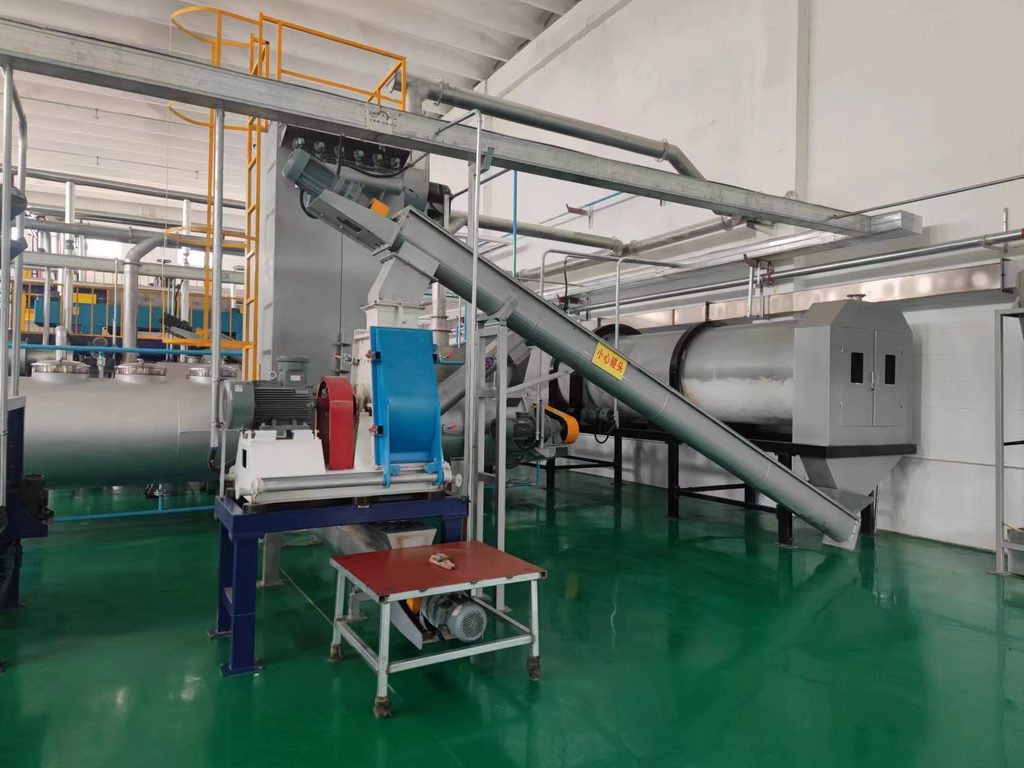
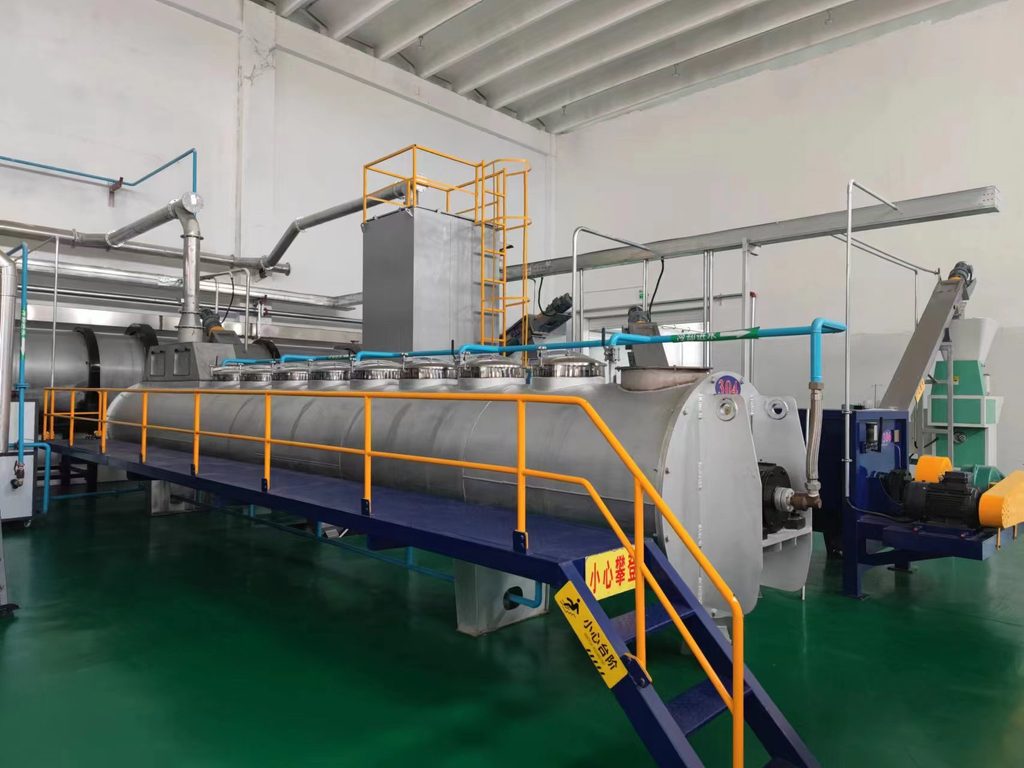
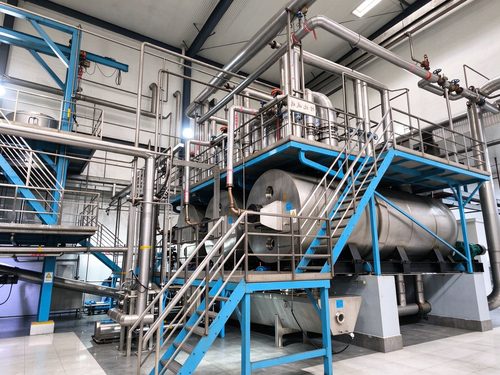
For slaughterhouses and fat processing plants, this contrast raises a practical question: should the fats rendered from the same batch of raw material be sold as "one barrel of oil,"or should the fatty acid side and the glycerin side each reach higher-value downstream markets? The answer lies in processing depth —after melting kettles, screw presses and decanter centrifuges,the purity of the fat, control of free fatty acids (FFA) and graded handling of by-products determine how many value chains you can sell into at a good price.iande (a brand of Hebei Chengzhu Machinery Group) specializes in complete animal fats rendering plants —from melting kettles and screw presses to decanter centrifuges and fat refining — helping users sell every half of a barrel of animal fats at the price it deserves.
Data Sources:https://www.100ppi.com/mprice/plist-2-1663-1.html
https://www.100ppi.com/news/detail-20261010-6320567.html
https://www.sci99.com/info/3_1000005_42954.html
https://www.toutiao.com/article/7698582498515403299
https://www.chinabgao.com/info/1301397.html
https://zjbes.cn/index/xsjl/1309.html
 News
 News
 News
 Industry Success Case
 News
 Industry Success Case

Chinese (Simplified)

English

Russian