
Industrial-Grade Animal Fat Primary Rendering
Explore MoreFood-Grade Animal Fat Primary Rendering
Explore More English
On November 10, the Guangdong Provincial Administration for Market Regulation released its food safety sampling results for Q3 2026: 285,821 batches were tested across the province,with an overall failure rate of 1.90%. For "edible oils, fats and their products," however, the failure rate was only 0.36% — less than one-fifth of the overall level.The number tells us that the problem with animal fats is rarely "toxic or harmful"; it hides mostly in three quality indicators: acid value, peroxide value and malondialdehyde.They are neither pungent nor visible, yet they directly decide whether a barrel of fat is food grade or feed grade.
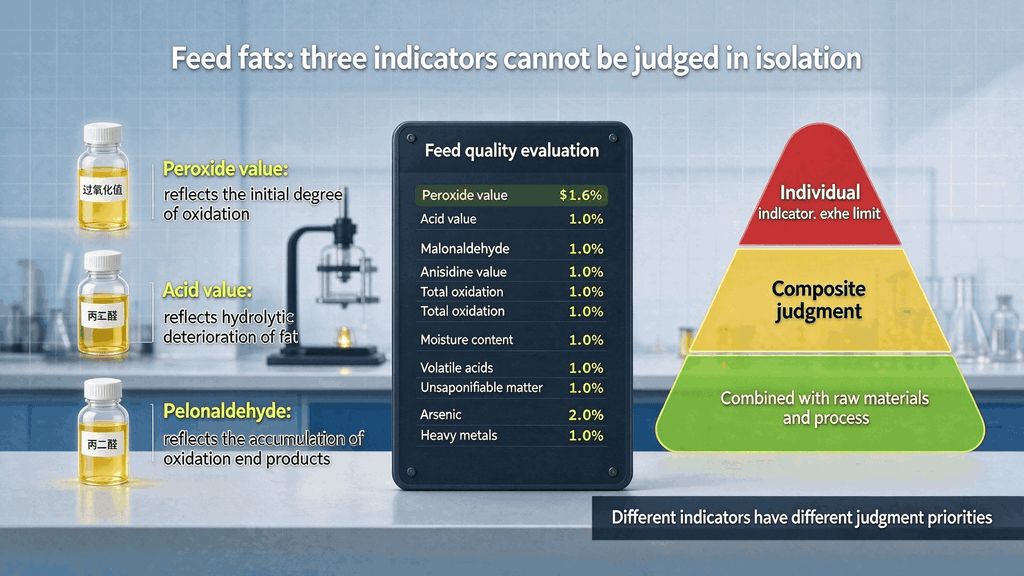
Three Indicators, Three Ways of Going Bad
Under the mandatory national standard GB 10146-2015, acid value (as KOH) must not exceed 2.5 mg/g, peroxide value must not exceed 0.20 g/100 g,and malondialdehyde must not exceed 0.25 mg/100 g. They measure different things: acid value reflects hydrolytic rancidity — the more free fatty acids,the higher the value, usually a sign of stale raw material or excessive heating time; peroxide value measures the peroxides formed in early-stage oxidation and is an early warning of deterioration;malondialdehyde is the end product of deep oxidation and is directly linked to that "rancid" smell.A single batch can pass on acid value while failing on peroxide value — which is why one line on a report is often not enough at acceptance.
Adulteration Is Read from a Different "Fingerprint"
eyond safety indicators, beef tallow has an identity card. GB/T 46004-2025 specifies that beef tallow's fatty acid composition contains 20.0%-30.0% palmitic acid,15.0%-33.0% stearic acid and 25.0%-49.0% oleic acid, with a melting point of 40-51°C. That ratio works like a fingerprint: blend in palm oil and the fatty acid profile shifts;mix in cheaper animal fats and the melting point may fall outside the range. GB 10146-2015 goes further,stating that "a single-species edible animal fat shall not be blended with other fats" — a mandatory clause, not a recommendation.One caveat: melting point is only a reference coordinate for authenticity, not a pass line; confirming adulteration requires gas-chromatography fatty acid composition.
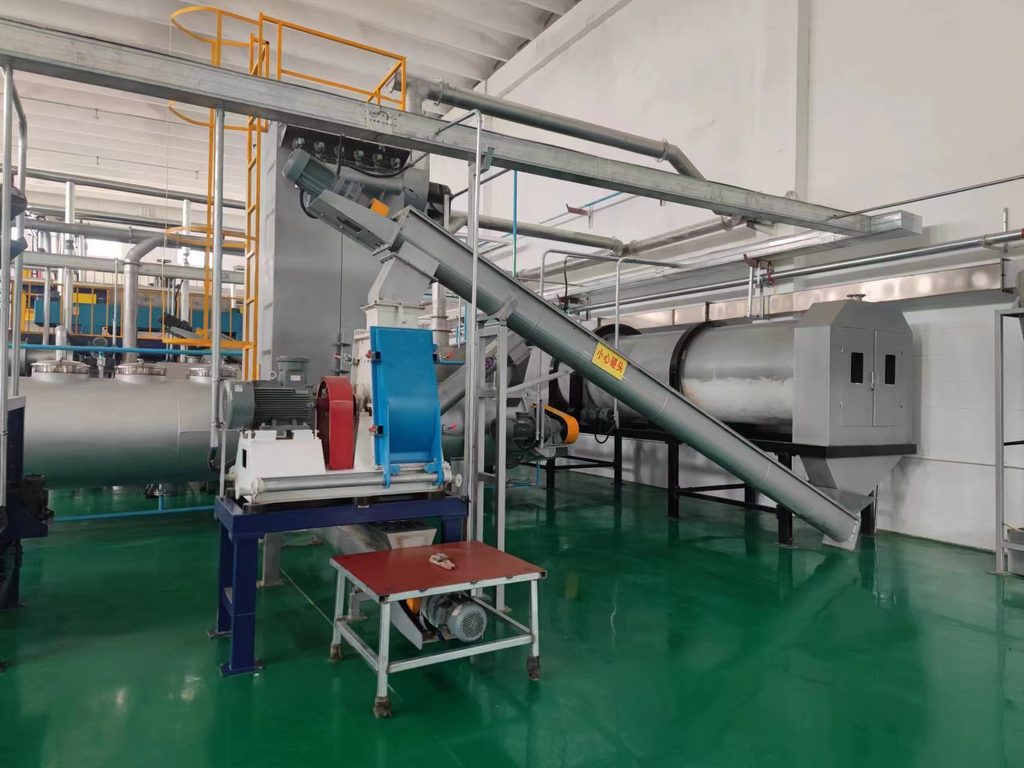
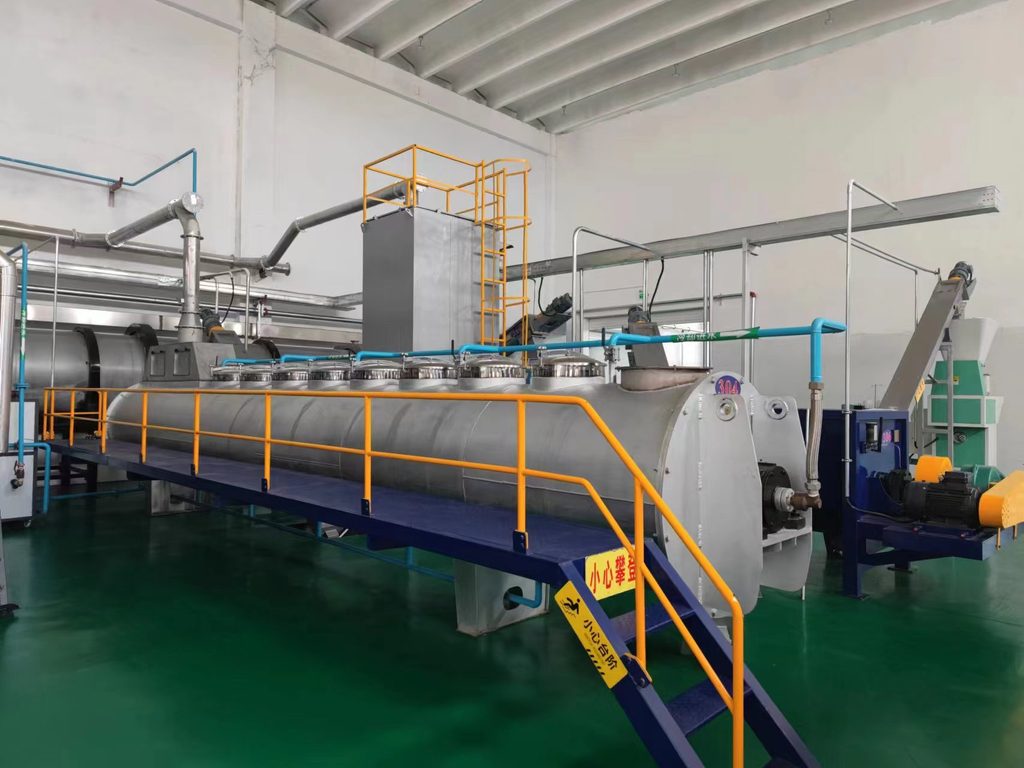
Upstream Process Decides How the Report Looks
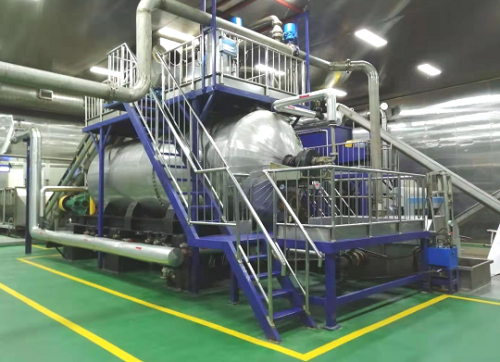
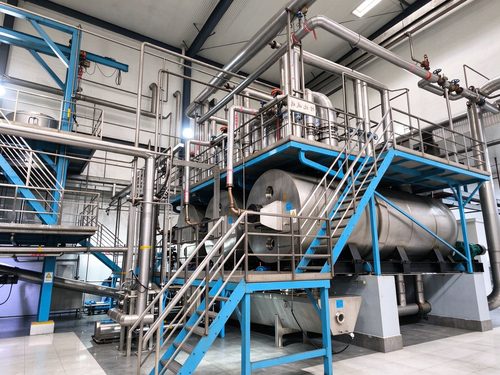
Two of the three indicators are already written in the rendering plant. The longer and hotter the gap between slaughter and the kettle,the higher the starting acid value; local overheating during rendering, open exposure to air, or leaving oil residue in the tank too long pushes peroxide value up.A consistently clean report therefore comes not from the lab but from the process: rapid cooling of raw material, controlled temperature and time in the melting kettle, oil discharge under vacuum,closed pipeline transport, and light-protected, insulated finished-product tanks. Liande (a brand of Hebei Chengzhu Machinery Group) links melting kettles,screw presses, decanter centrifuges with vacuum,closed conveying and insulated buffer sections into one complete animal fats rendering line — helping users keep those three "health check" results within spec. That costs far less than explaining a f
 News
 News
 News
 News
 News
 News

Chinese (Simplified)

English

Russian