
Industrial-Grade Animal Fat Primary Rendering
Explore MoreFood-Grade Animal Fat Primary Rendering
Explore More English
On November 8, the National Meteorological Center continued to issue a blue cold wave warning: from the 8th to the 10th, most of central and eastern China cooled by 6-10°C,with some areas dropping 10-12°C and locally over 14°C; by the morning of November 10, the 0°C line had pushed south to southern Shaanxi,southern North China and southeastern Huang-Huai. For ordinary people this is a reminder to dress warmer; for the animal fats industry it is an annual exam — the oil that flowed in summer is about to "set."
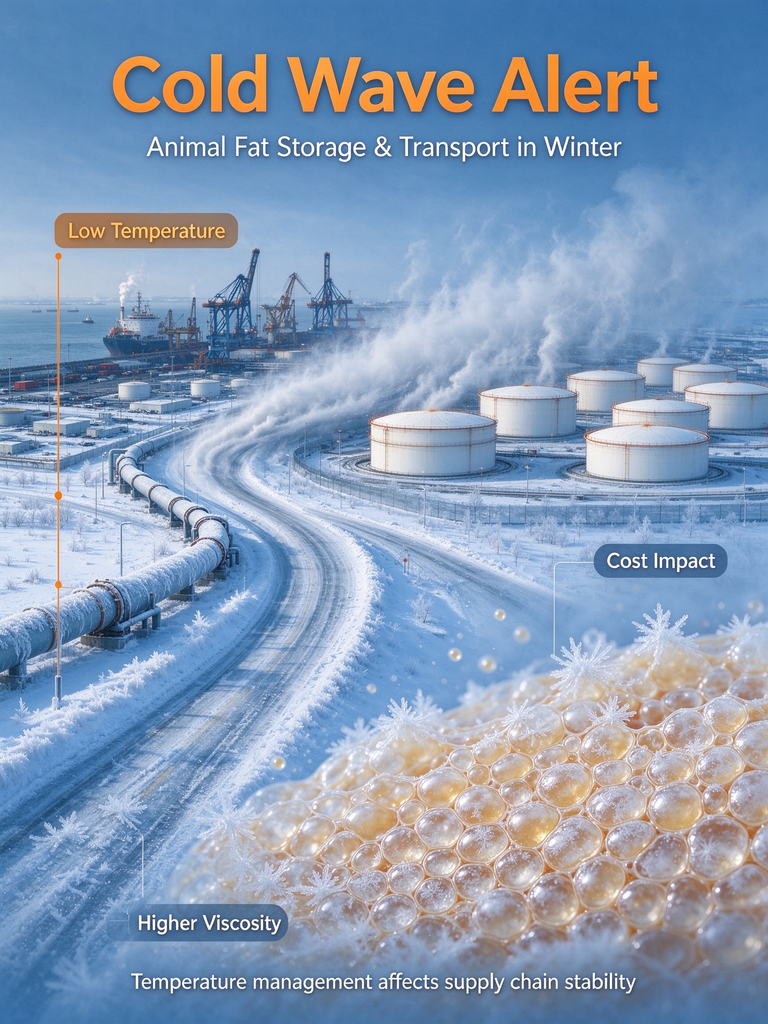
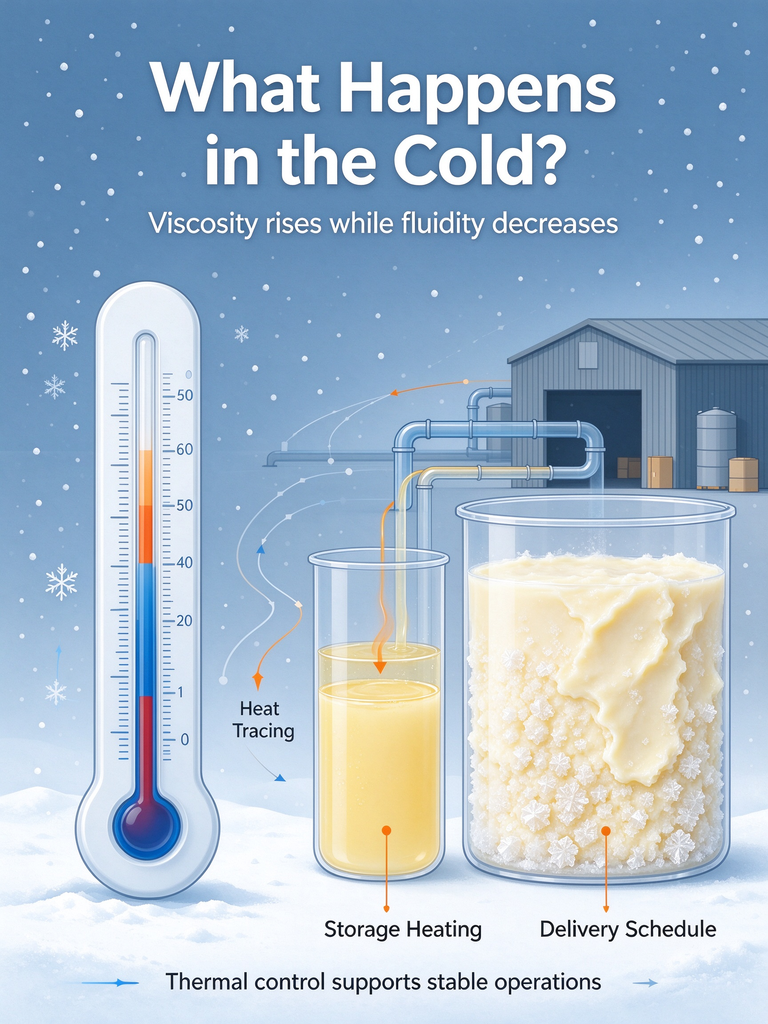
An Oil That Melts Above 40°C Meets 0°C Weather
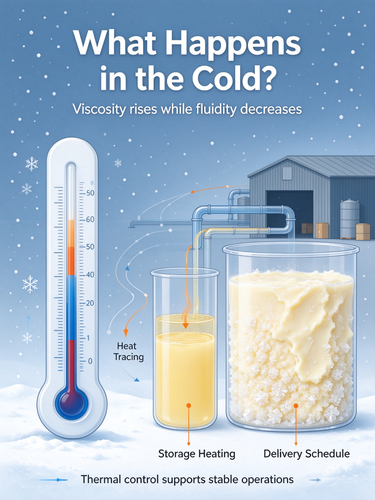
According to the national standard GB/T 46004-2025 Animal Fats — Beef Tallow, beef tallow's melting point range is 40-51°C. That means in winter across North China and the Huang-Huai region,outdoor temperatures sit thirty to forty degrees below its melting point: tallow in a tanker solidifies into one block, residual oil in pipelines clogs valves, pumps run dry and tankers cannot discharge.Lard and poultry fat have lower melting points, but under sustained cold they also thicken and separate.The oil is not spoiled — its physical state has changed.Animal fats are dominated by saturated fatty acids and are solid at room temperature: an advantage in summer, a problem in winter.
Melting It Also Takes Know-How
The FAO/WHO Code of Practice for the Storage and Transport of Edible Fats and Oils in Bulk (CXP 36-2015) sets out clear heating parameters:hot-water coils should circulate water at about 80°C, steam heating should not exceed 150 kPa (about 127°C); if the goal is to melt rather than simply keep warm,coil heat-exchange area should reach about 0.1 m² per ton, versus 0.05 m² per ton for holding only; coils should sit about 7.5 cm above the tank bottom,and tankers must be insulated and equipped with temperature control. Behind these numbers is one bottom line: do not use a roaring flame. Local overheating hydrolyzes the fat,raises free fatty acids (FFA), accelerates oxidation and darkens color — first-grade tallow can drop to second grade,food grade can fall to feed grade. The price gap of a whole truckload is often burned away in how the heat is applied.
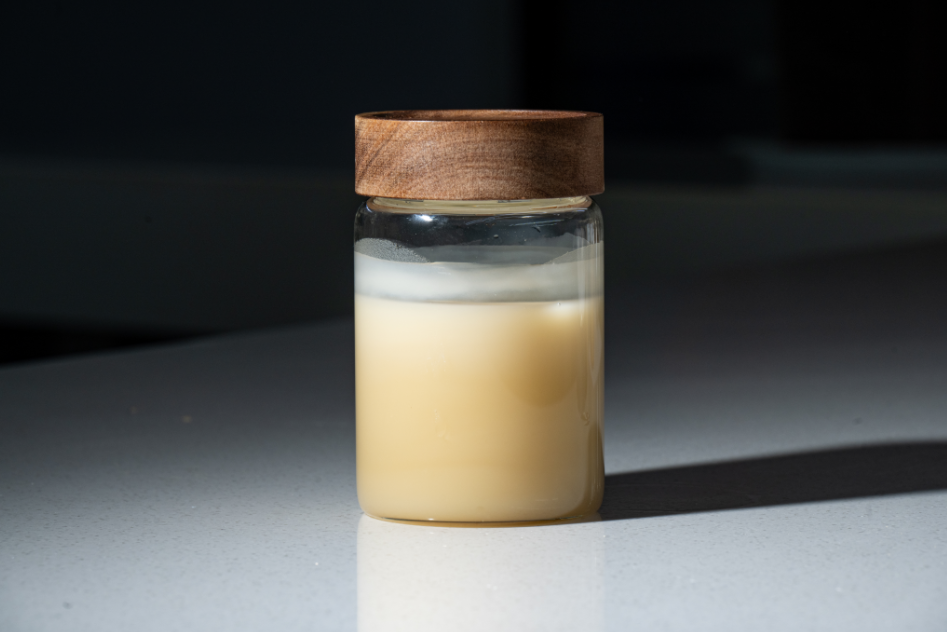
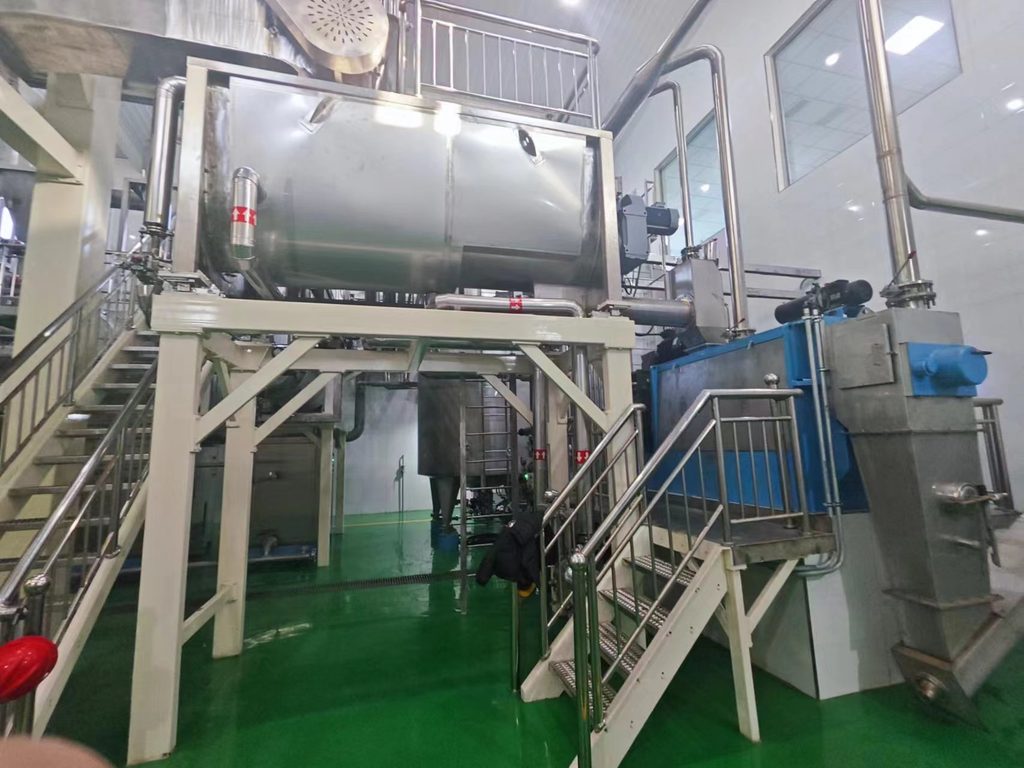
Three Things the Upstream Can Do
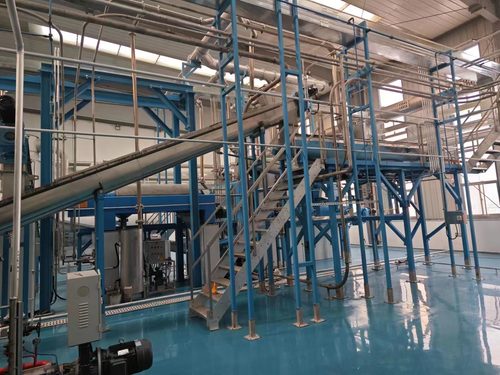
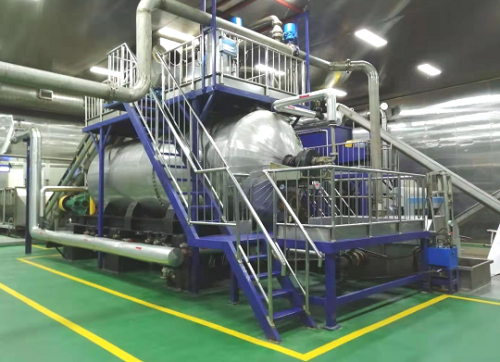
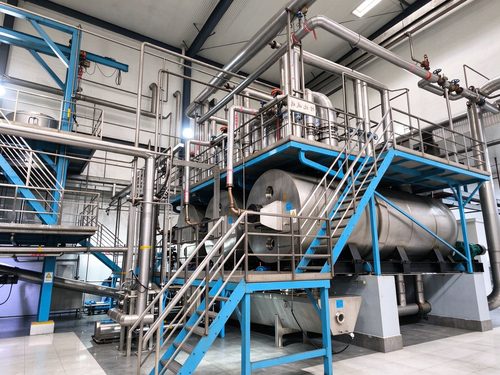
For slaughterhouses and rendering plants, winter oil output comes down to three moves: first, control discharge temperature — filter and fill while hot after the melting kettle,minimizing residence time in pipelines; second, keep the buffer warm — fat buffer tanks with jackets or coils so the oil does not lose heat while awaiting testing and shipping;third, shorten the turnaround — better several small shipments than letting one tank freeze and thaw repeatedly on site.Equipment choices matter just as much: the heating method of the melting kettle,heat tracing on the tallow pump and the insulation thickness of the buffer tank decide whether that truckload discharges smoothly or has to be reworked on arrival.Liande (a brand of Hebei Chengzhu Machinery Group) designs complete animal fats rendering plants — from melting kettles,screw presses and decanter centrifuges to insulated buffer and fat conveying sections — helping users factor this invisible winter loss into the process in advance.
 News
 News
 News
 News
 News
 News

Chinese (Simplified)

English

Russian