
Industrial-Grade Animal Fat Primary Rendering
Explore MoreFood-Grade Animal Fat Primary Rendering
Explore MoreRendering is the industrial process of heating beef fat tissue to release its oil. Feed-grade beef tallow does not require the full refining train used for edible grades. The priorities are rendering, separation, and dehydration, keeping acid value, moisture, and impurities within the contract specifications set by the feed mill. Drawing on the equipment product line of the manufacturer behind this site, this article lays out a complete configuration for a feed-grade tallow production line.
Beef tallow is an animal fat rendered from cattle fat tissue. Its main components are triglycerides — esters formed from fatty acids and glycerol. Its fatty acid profile is dominated by palmitic acid, stearic acid, and oleic acid, with a relatively high proportion of saturated fatty acids. As a result, it is solid at room temperature, with a melting point of approximately 42–48 °C — higher than that of lard (pork fat).
This physical property directly dictates the process requirements for tallow processing: rendering, conveying, separation, and storage must all be heat-maintained so the fat stays fluid. Separation is typically carried out at 65–75 °C; otherwise rising viscosity impairs separation efficiency.
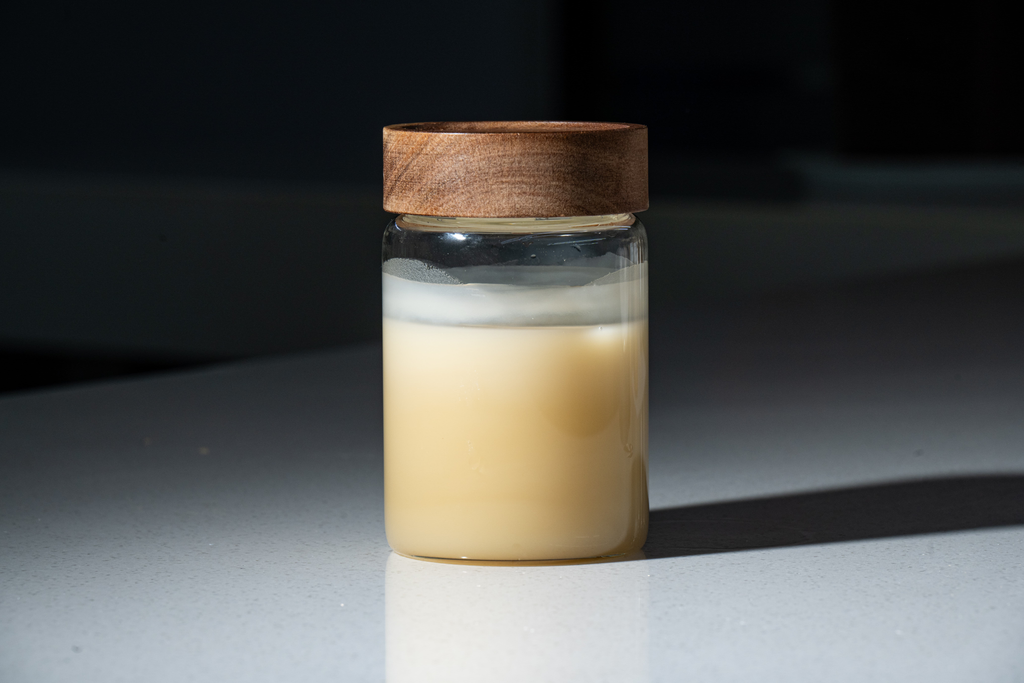
Rendering works by using heat to break down fat cell structures, releasing the oil trapped inside the cells. Rendering lard at home is a miniature version of this process; industrial rendering is continuous, controlled, and high-volume.
By heating method, rendering falls into two broad categories:
The current industry trend is low-temperature vacuum rendering: heating under vacuum so moisture evaporates rapidly and the fat is exposed to heat only briefly. This lowers the acid value, preserves oil color, and simultaneously deodorizes — balancing product quality with environmental requirements.
| Dimension | Food-Grade Tallow | Feed-Grade Tallow |
| Process depth | Rendering + full refining (degumming, deacidification, bleaching, deodorization) | Rendering + three-phase separation + dehydration, with simple treatment only as needed |
| Key quality indicators | Acid value, peroxide value, color, flavor, heavy metals, microbes | Acid value, moisture, impurities, peroxide value, unsaponifiable matter |
| Equipment investment | Requires a refining line — high investment | Refining step omitted — significantly lower investment |
| Customers | Food processors, catering, households | Feed mills and farms (as an energy feed ingredient) |
It should be noted that China currently has no dedicated national standard for "feed tallow." The industry generally refers to the Hygienic Standard for Edible Animal Fats (GB 10146) and enterprise standards, with the purchase contract signed with the feed mill as the final arbiter.
A typical feed-grade tallow rendering line moves from raw material intake to finished product dispatch in six steps:
Raw material pre-treatment: Washing removes blood, hair, and impurities; a crusher then reduces large fat pieces to a slurry-like consistency, increasing the heating surface and shortening rendering time.
Preheating and conveying: A preheating cooker heats and stirs the material into a pumpable solid–liquid mix, which is fed to the rendering unit by a screw conveyor or lobe pump.
Rendering / cooking (the core step): The material is heated in a rendering kettle or disc dryer so the oil is released from the tissue. This step directly determines oil yield, color, and acid value.
Oil–solids separation: The cooked mixture (oil, water, and solid residue) enters a horizontal centrifuge (decanter), which separates it into three phases — oil, water, and solids — by density difference in a single pass.
Greaves pressing: The separated solid residue (greaves) is pressed a second time in an oil press to recover residual oil, while producing meat and bone meal (MBM) as a feed-protein raw material.
Finished product and by-products: The finished oil goes into insulated storage tanks; the pressed residue becomes oil cake / protein meal — an important source of by-product revenue.
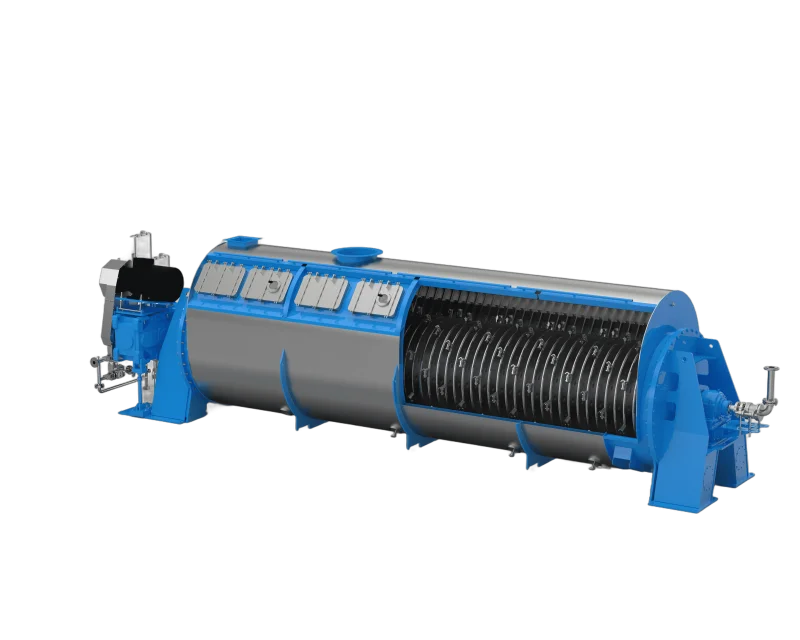
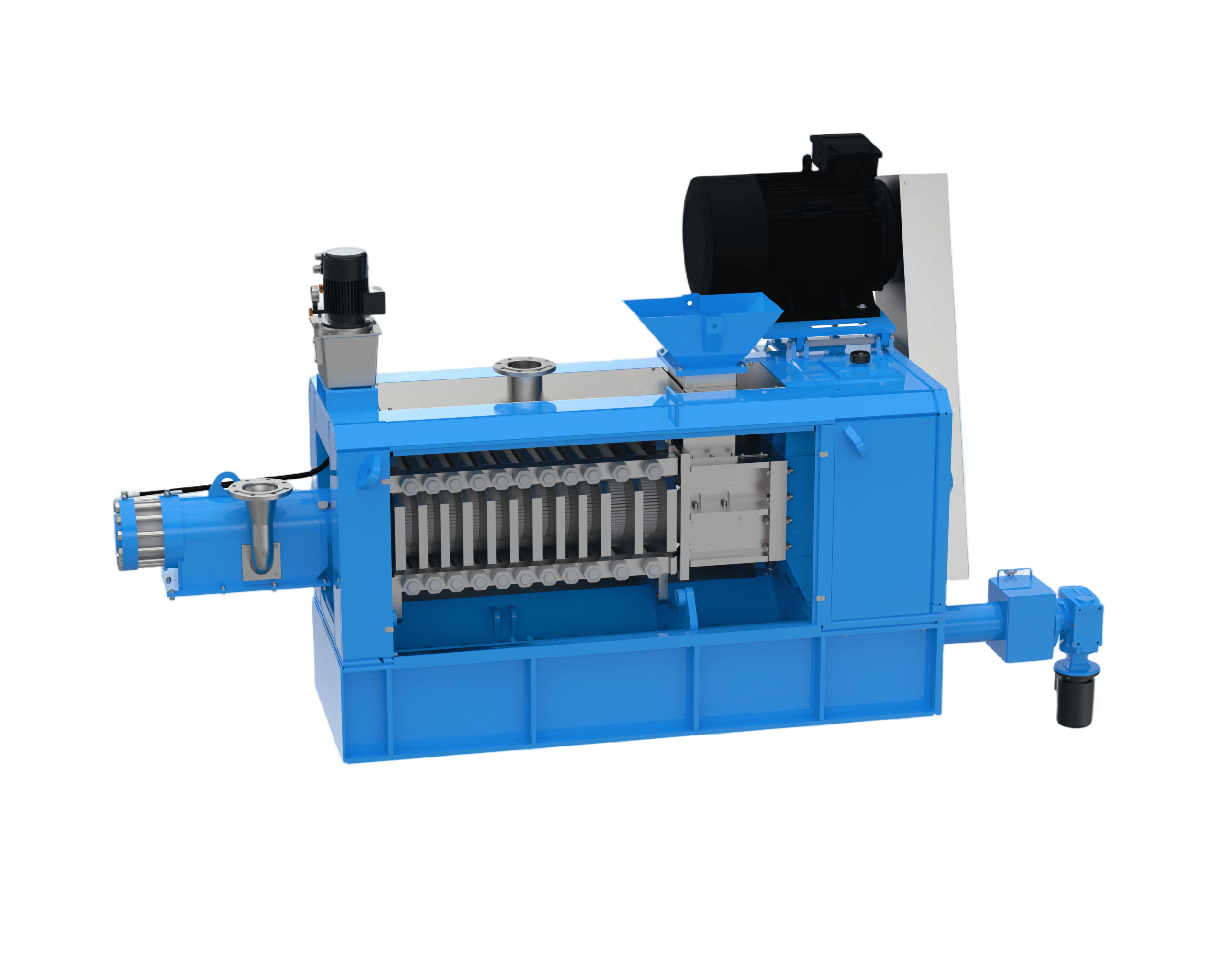
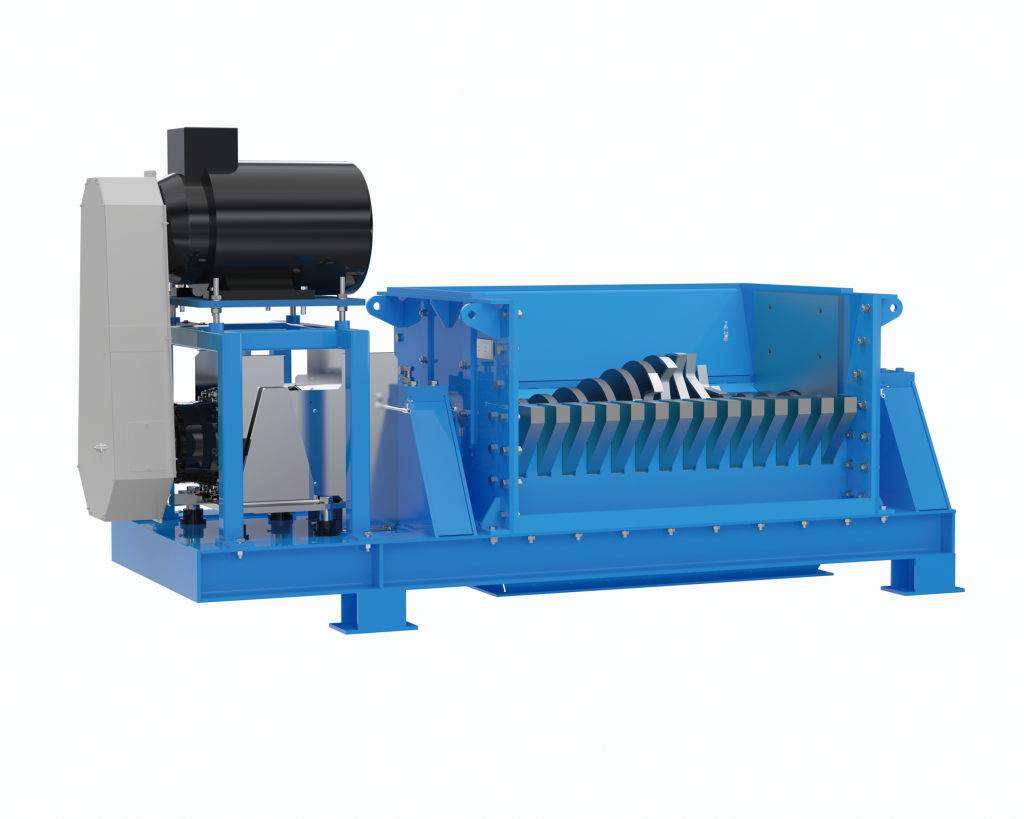
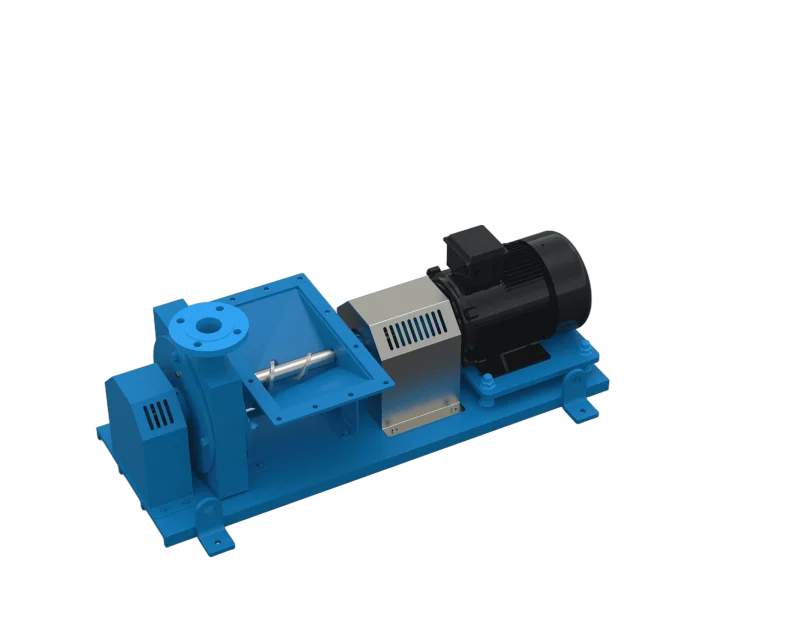
Feed mills most often focus on the following indicators when purchasing tallow (common reference values — the contract governs):
Corresponding process controls on the equipment side: keep separation temperature at 65–75 °C, hold crude-oil moisture below 0.3%, and keep residual oil in the solids at 5–8% (premium equipment and newer processes can reach below 5%). Raw-material control matters just as much: fresh, non-putrid, unadulterated cattle fat is the precondition for oil quality.
There is no one-size-fits-all template for a tallow rendering line — daily processing capacity is the primary sizing variable. Small-batch production suits batch (intermittent) processes, while large, stable supply suits continuous production; the two differ markedly in equipment specifications and automation level across the crushing, rendering, separation, and pressing stages.
The article closes with a vendor note: manufacturers should be told your daily throughput, raw-material type, and product requirements so they can provide a customized equipment configuration that matches capacity and process needs, avoiding waste from idle equipment or under-capacity.
 News
News
News
News
 News
News
 News
News
 News
News
 News
News

Chinese (Simplified)

English

Russian