
Industrial-Grade Animal Fat Primary Rendering
Explore MoreFood-Grade Animal Fat Primary Rendering
Explore MoreYour fat rendering plant is most likely wasting between 25% and 40% of the thermal energy it pays for — and the biggest leaks are almost always in three places: unrecovered cooker vapor, oversized or short-cycling boilers, and condensers running on the wrong cooling strategy. Fix those three, and steam consumption typically drops from 700+ kg per ton of raw material to under 450 kg. The rest of this article shows you exactly where to look, what the numbers should be, and what to change.
Energy is the second-largest operating cost in rendering after raw material logistics. If you're not measuring it per ton processed, you're flying blind.
Here's the surprise: in a typical wet rendering plant, roughly 70% of total energy goes to evaporating water — not to cooking the fat. Raw poultry waste is about 65% moisture. Beef trimmings can hit 50%. Every kilogram of that water needs around 2.26 MJ to vaporize. Do the math on a 10 ton/hour line and you're looking at 12–15 GJ/hour just to boil off water.
That single fact changes how you should think about efficiency. Insulating a cooker shell saves a few percent. Recovering the latent heat from vapor saves 30%+. They are not in the same league.
A useful baseline to benchmark against:
If your numbers are 30% higher than these, you have a recoverable problem — not a fixed cost of doing business.
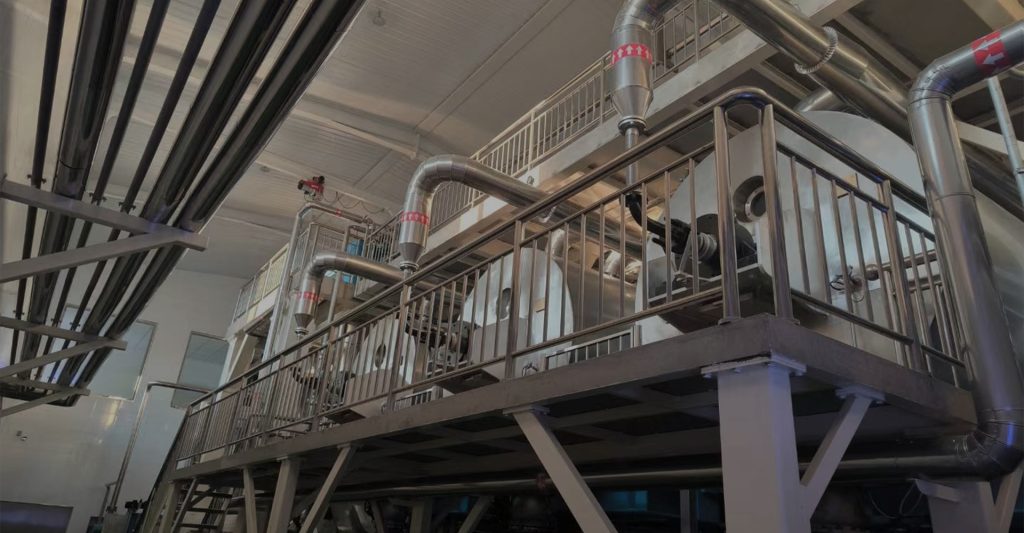
Walk through any underperforming rendering plant and you'll see the same thing — cooker vapor venting straight to a condenser, dumping its heat into cooling water that gets thrown away. That vapor carries enormous latent energy. Wasting it is like burning diesel to make hot water, then pouring the hot water down the drain.
Two proven approaches, depending on plant size:
For example, a mid-size beef rendering operation we worked with in Eastern Europe was running a single-effect batch cooker at 720 kg steam/ton. After retrofitting a two-effect vapor utilization loop, they hit 430 kg/ton — annual fuel savings paid back the project in 14 months. The hardware didn't change much. The thinking did.
Most rendering boilers are sized for peak load — the worst hour of the worst day. The result? They short-cycle for 18 hours a day, losing efficiency every time they ramp up and down. A boiler running at 40% load can be 8–12% less efficient than one running at 80%.
What we see repeatedly during plant audits:
A single failed steam trap on a 10 bar line can leak the equivalent of 3,000–5,000 USD of fuel per year. Now multiply that across a plant with 60+ traps. Most facilities have never done a trap audit. Start there — it's the cheapest energy project you'll ever run.
Adding a flue gas economizer alone typically delivers 4–6% fuel savings and pays back in under a year.
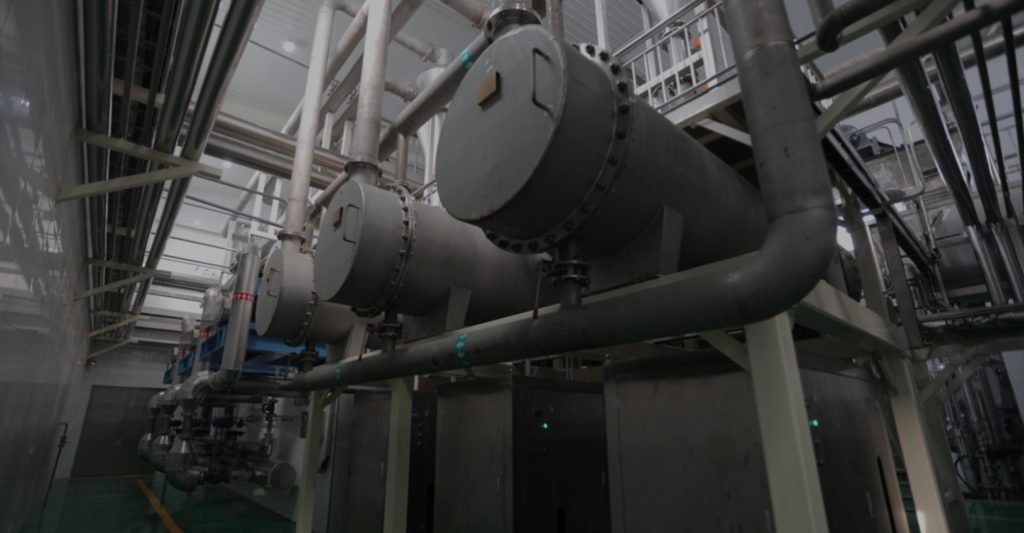
Energy efficiency conversations almost always focus on the heating side. The cooling side gets ignored — and that's where another 10–15% of operating cost quietly disappears.
Your condensers determine how much vacuum you can pull, how fast you can cycle batches, and how much electricity your cooling tower fans and pumps eat. An undersized or fouled condenser forces the cooker to run longer at lower vacuum. Longer cycles mean more steam per ton. It cascades.
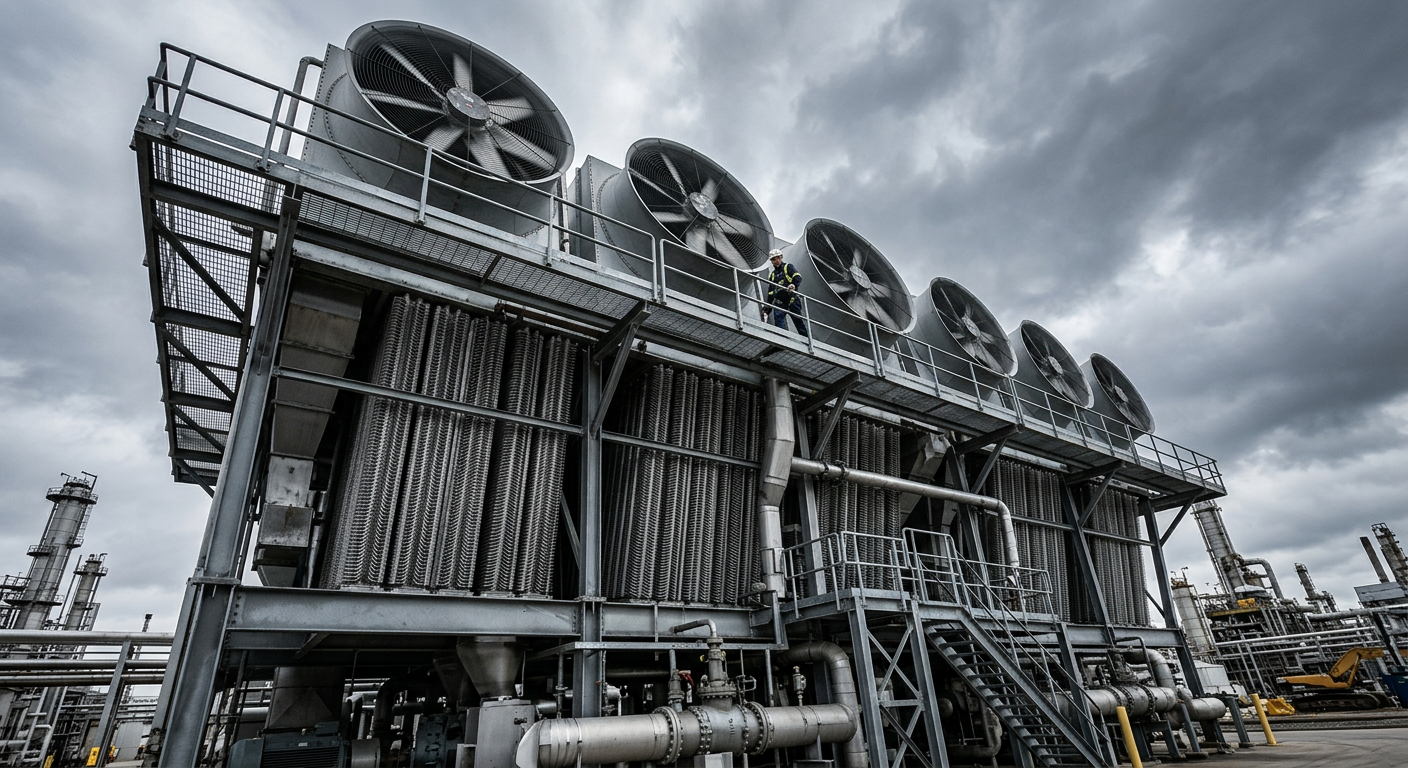
The air-cooled vs. water-cooled decision matters more than people think. Water-cooled wins on thermal performance but loses on water cost and treatment chemicals. Air-cooled wins in arid regions or where water discharge is regulated. We've broken down the trade-offs in detail in our guide on rendering plant condenser systems — worth reading before any retrofit.
One practical tip: clean your condenser tubes on a documented schedule. A 0.5 mm fouling layer on the water side can reduce heat transfer by 20%. We've seen plants where condenser cleaning was “done when there's time” — which meant never.
Regenerative thermal oxidizers (RTOs) and biofilters are necessary. But they're also significant energy consumers — often 8–15% of total plant electricity, plus natural gas for the RTO burner.
The fixes here are about sequencing and right-sizing, not eliminating:
For a deeper dive into the technology choices, our breakdown of odor and emissions control strategies covers the trade-offs between scrubbers, biofilters, and thermal oxidation.
This one is free to fix. Most batch rendering plants lose 10–20% of their potential energy efficiency to bad scheduling — cookers sitting hot and empty between batches, holding pressure with no production happening.
A hot empty cooker still radiates heat through its shell and still requires steam to hold temperature. If your cookers spend 90 minutes per shift idle-hot waiting for the next raw material delivery, that's pure waste.
Three changes that cost nothing:
Continuous rendering systems are more energy-efficient per ton — but only above a certain throughput. Below roughly 3 tons/hour of raw material, batch systems often win on total cost of ownership, because continuous lines have higher parasitic electrical loads (more pumps, more controls, more conveying).
The crossover point looks roughly like this:
If you're planning a new build or expansion, this is the single most important energy decision you'll make. Our industrial guide to batch and continuous rendering processes walks through the operational differences in more depth.
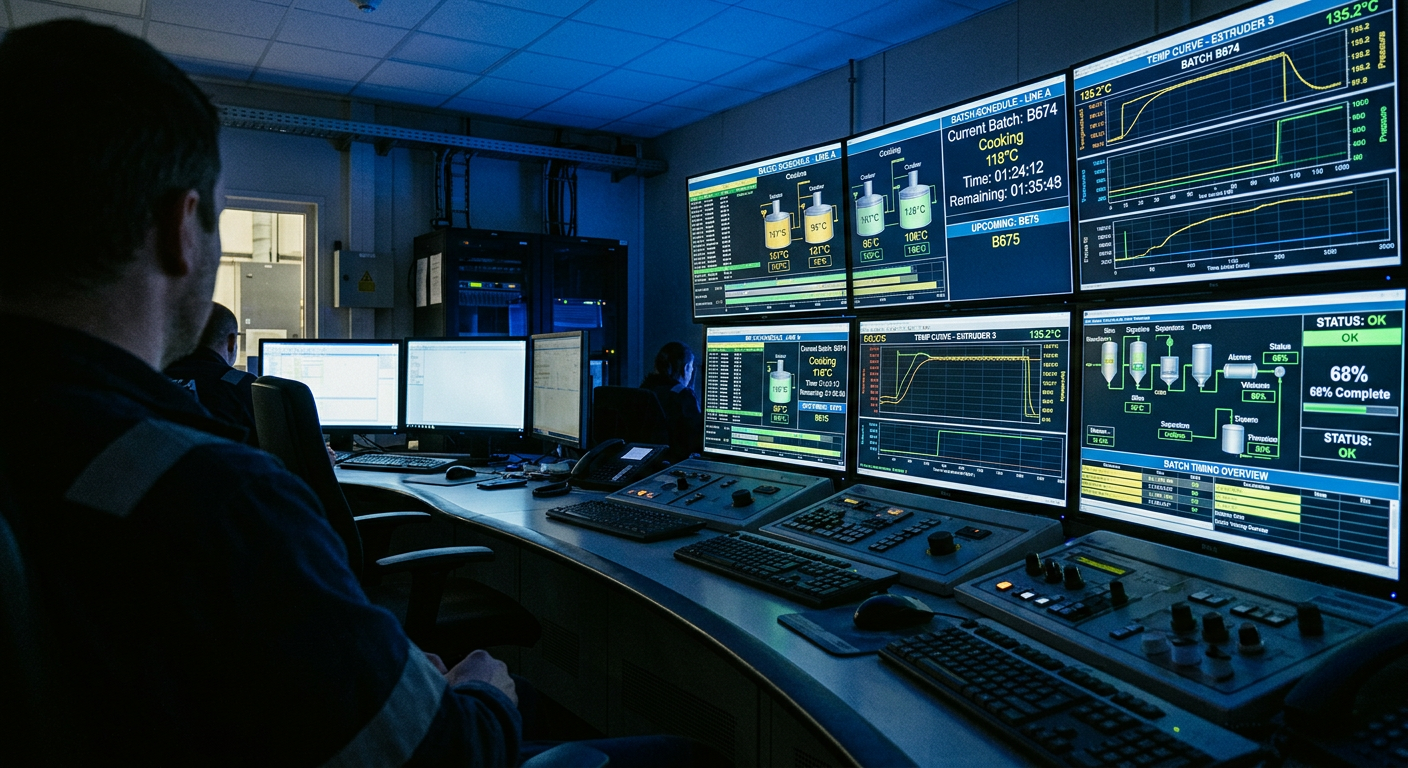
You don't need a six-figure consultant to find the first round of savings. Here's a practical sequence we recommend to clients:
Plants that take this discipline seriously typically see 12–18% energy reduction in the first quarter with sub-six-month payback — before any major capital is spent.
If you take only three things from this article: measure your steam consumption per ton, audit your steam traps, and look hard at whether you're recovering vapor heat. Those three items account for most of the energy that rendering plants leave on the table.
Energy efficiency in fat rendering isn't really about exotic technology. It's about matching equipment to throughput, recovering the heat you're already paying for, and running the plant with discipline. The plants we see hitting world-class numbers — under 400 kg steam per ton, under 50 kWh electricity per ton — aren't doing anything magical. They're just not wasting anything.
If you're planning a retrofit, building new, or just want a second opinion on where your plant is losing energy, our engineering team has run these audits across 272+ installations. Get in touch and we'll help you benchmark your numbers against what's actually achievable. Or browse our full rendering solutions to see how modern equipment design changes the energy equation.
 Industry Success Case
 News
News
 Industry Success Case
 Uncategorized
News
News
Uncategorized
News
News

Chinese (Simplified)

English

Russian