
Industrial-Grade Animal Fat Primary Rendering
Explore MoreFood-Grade Animal Fat Primary Rendering
Explore MoreChoose a disc dryer when your rendering line runs continuously, processes a steady feedstock, and demands consistent fat quality with minimal labor. Choose a fat melting kettle when you operate in batches, handle variable raw materials, or need a flexible, lower-capital entry point into animal fat rendering. The right answer depends on capacity, feedstock consistency, automation goals, and how tightly you need to control product quality — and this guide walks through each factor with practical buyer logic.
Both pieces of equipment share the same fundamental job: convert raw animal fat tissue into separable oil and protein solids through controlled heating and dehydration. The difference lies in how they do it.
A jacketed vessel where pre-crushed fat is loaded, heated under controlled conditions, agitated, and then discharged once the cook cycle finishes. It is the workhorse of the batch animal fat rendering process — simple, robust, and forgiving of feedstock variation.
A horizontal rotor packed with hollow steam-heated discs that move material continuously from inlet to outlet. Crushed fat enters one end, dehydrated greaves and free oil exit the other. It is built for steady-state operation, where the line never stops to load or unload.
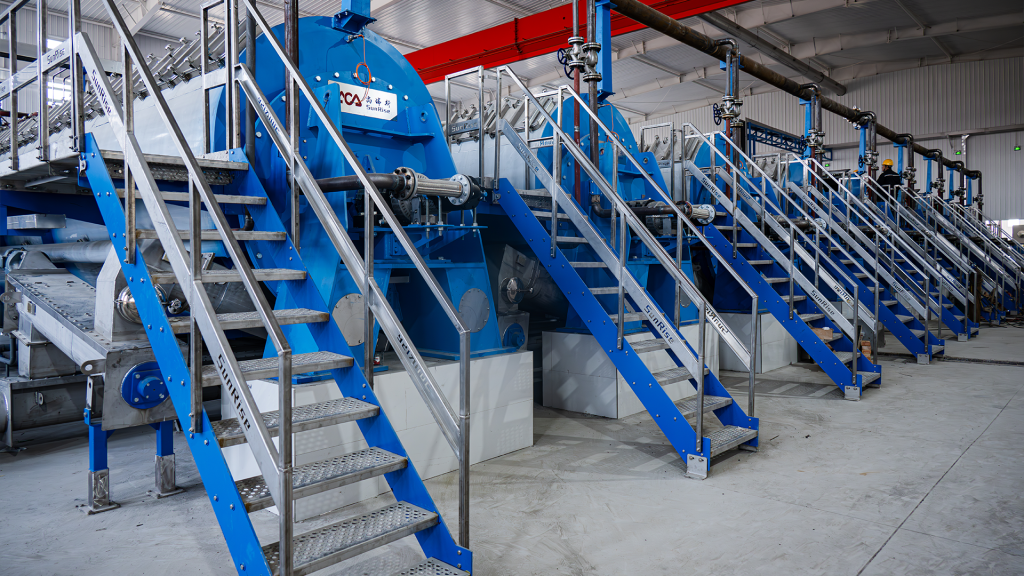
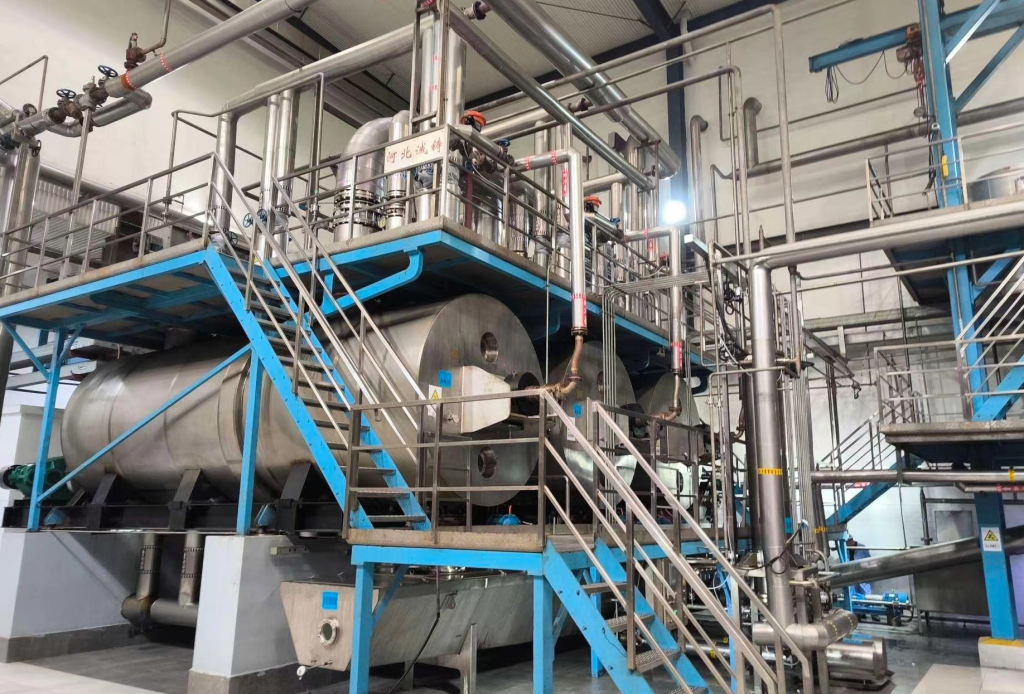
Capacity is usually the deciding factor before anything else. A small abattoir producing a few tons of raw fat per day rarely justifies a continuous line — the disc dryer would spend most of its time underloaded, hurting heat economy and product consistency.
For example, a regional pork processor handling two to three tons of trim daily typically runs two or three kettle batches per shift and calls it done. In contrast, an integrated poultry plant generating dozens of tons of skin and abdominal fat per day cannot afford the dead time between batches — a disc dryer keeps the upstream cutting floor flowing without buffer tanks overflowing. See our chicken rendering plant case for a real continuous-line example.
Use this quick reference to map your operating profile against each option:
| Criteria | Disc Dryer | Fat Melting Kettle |
|---|---|---|
| Process type | Continuous | Batch |
| Throughput | High | Low to medium |
| Automation level | High | Moderate |
| Raw material flexibility | Moderate | High |
| Footprint per ton | Compact | Larger |
| Labor demand | Low | Moderate |
| Best for | Large slaughterhouses, integrated lines | Small/medium plants, mixed feedstock |
| Capital cost | Higher upfront | Lower upfront |
Equipment selection affects not just how much fat you recover but how clean it is. A disc dryer applies gentler, more uniform heat across a continuous bed of material, which typically helps preserve color and keep free fatty acid development in check .
Fat melting kettles can match this quality, but they require operator discipline. Overcooking a batch — leaving it in the vessel too long while waiting on the next process step — darkens the oil and raises FFA. In a continuous line, there is no “waiting,” so the risk is structurally lower.
That said, a kettle gives you more direct sensory control. The operator can see, smell, and sample each batch before discharge — a real advantage when feedstock changes daily or when you are producing small lots for different customers.
Disc dryers reward consistency. They perform best when the feed has a predictable particle size, fat-to-protein ratio, and moisture content. Wild swings — say, a load of bone-heavy trim followed by soft abdominal fat — force constant adjustments to retention time and steam pressure.
Kettles tolerate variability far better. A small co-processor handling mixed trim from beef, pork, and occasional poultry can simply adjust batch parameters per load. If your raw material stream is unpredictable, the batch route is forgiving in a way that protects yield.
A modern disc dryer integrates with upstream crushers and downstream oil-residue separators, centrifuges, and condensers through PLC control. One operator can supervise an entire line, monitoring temperature, torque, and vapor extraction from a control room. Labor cost per ton drops significantly at scale.
Kettles need more hands. Loading, agitation monitoring, sampling, and discharge are operator-driven tasks. For a plant in a region with abundant labor and lower wages, this is not necessarily a disadvantage — but in markets where skilled rendering operators are scarce, continuous automation pays back faster than the capital spreadsheet suggests.
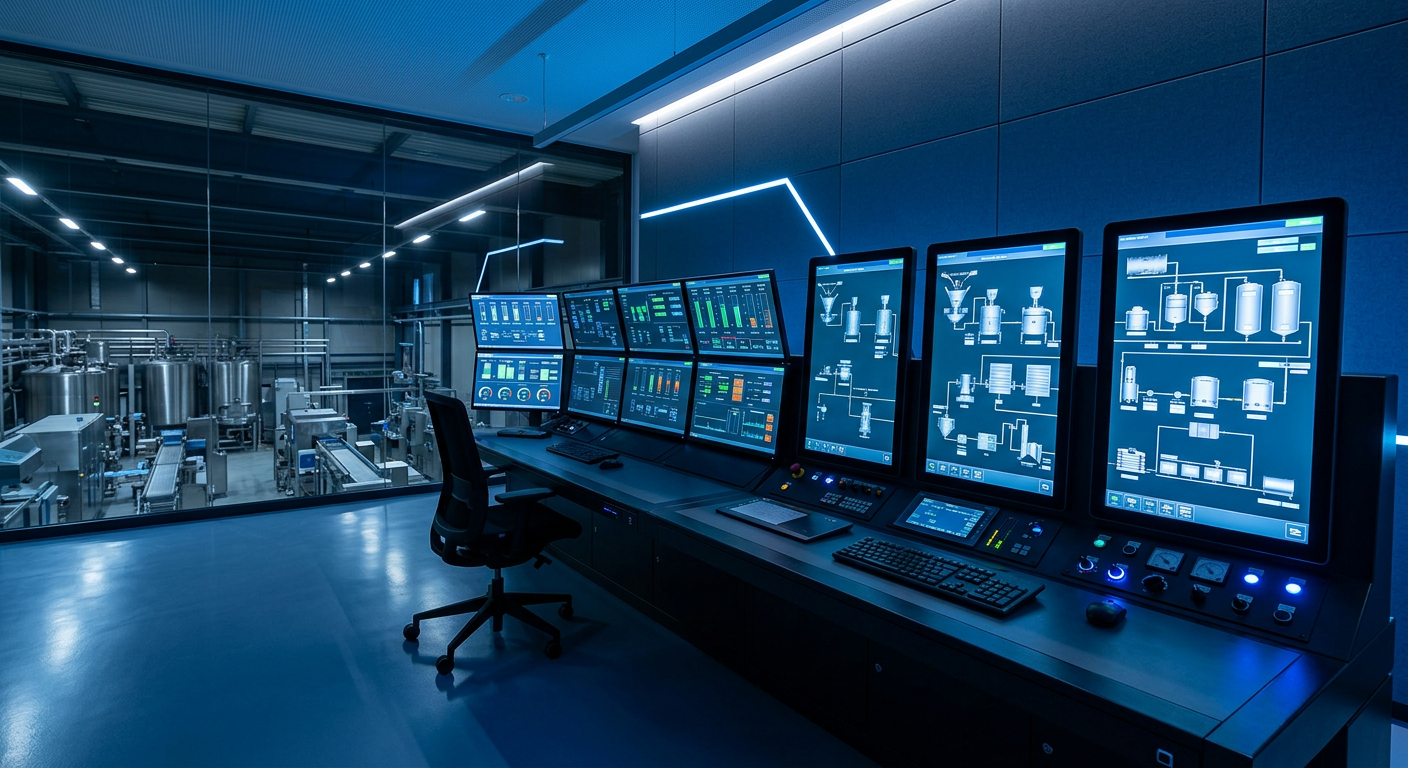
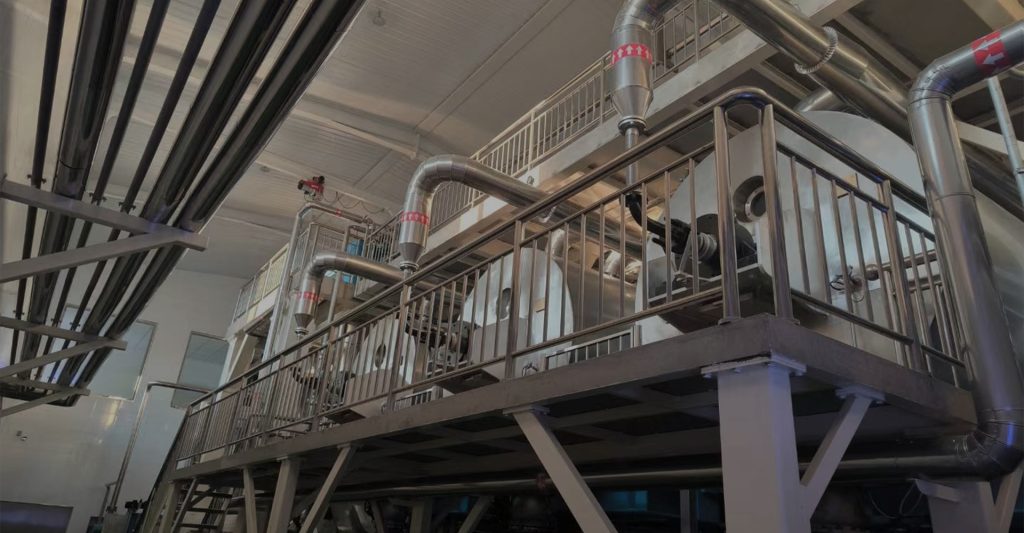
Per ton of daily capacity, a disc dryer occupies less floor space than a kettle bank delivering the same output, but it demands higher instantaneous steam supply and a continuous vapor handling system — meaning bigger condensers and a properly sized odor and emissions control train.
Kettles have a more forgiving utility curve — steam demand peaks during the cook phase and falls during discharge, so a smaller boiler can serve multiple kettles operating on staggered schedules. If you are retrofitting into a building with utility constraints, this matters. For greenfield projects, our plant layout guide walks through the spatial trade-offs in detail.
Not every plant has to pick one or the other. We often design lines where a fat melting kettle handles premium edible fat or specialty small batches while a parallel disc dryer line processes the bulk commodity stream. This is common in plants that want to capture both high-margin edible tallow and steady industrial-grade output.
Another option is phased growth: start with kettles in year one to validate the market and feedstock supply, then add a continuous line in year three once volume justifies it. The kettle line stays in service for backup, specialty production, or maintenance windows.
Run through this short checklist before committing:
If your answers split between the two columns, a hybrid line is usually the honest answer. Our engineering team sizes both configurations against the same feedstock profile so you can compare real numbers, not assumptions. Talk to us about your raw material data and target output, and we will model both paths — or browse our core rendering equipment to see how the pieces fit together.
 Industry Success Case
 News
News
 Industry Success Case
 Uncategorized
News
News
Uncategorized
News
News

Chinese (Simplified)

English

Russian