
Industrial-Grade Animal Fat Primary Rendering
Explore MoreFood-Grade Animal Fat Primary Rendering
Explore MoreAnimal fat cooking (Fat Rendering Plant) equipment is mainly used to process raw materials such as slaughter by-products, animal fats and viscera through thermal melting, solid-liquid separation and refining treatment, converting them into usable animal fats and protein residues. For slaughterhouses, feed-oil plants and entrepreneurial investors, selecting a reliable manufacturer of animal fat rendering equipment can not only improve the utilization rate of by-products, but also generate steady revenue from sales of oil and meat-and-bone meal.
Animal fat cooking (Fat Rendering Plant) equipment generally consists of raw-material pretreatment, melting-extraction, oil-residue separation, environmental-protection treatment and automatic control systems. It can process raw materials including lard, tallow, chicken-duck fat and slaughter by-products in continuous or batch mode to realize oil recovery and residue resource utilization.
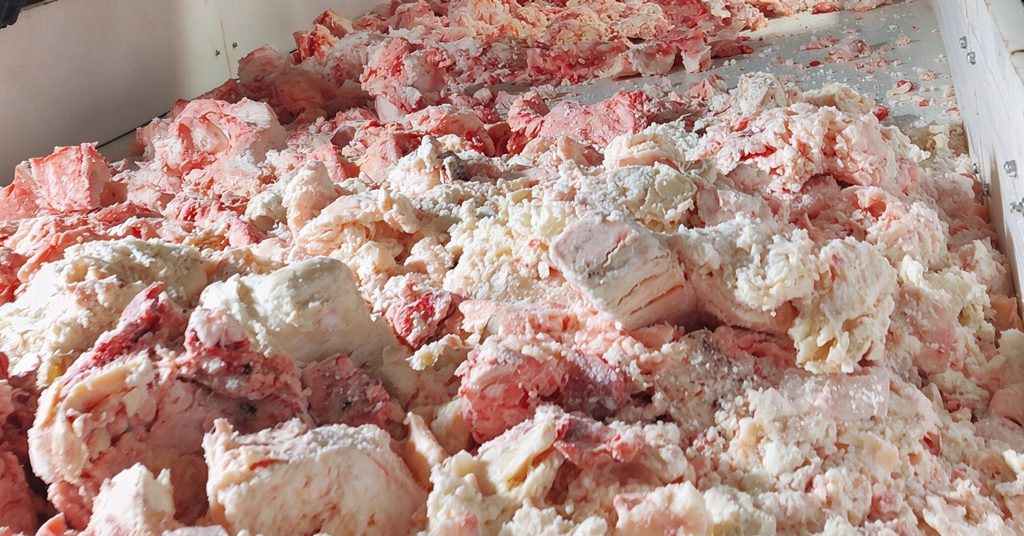
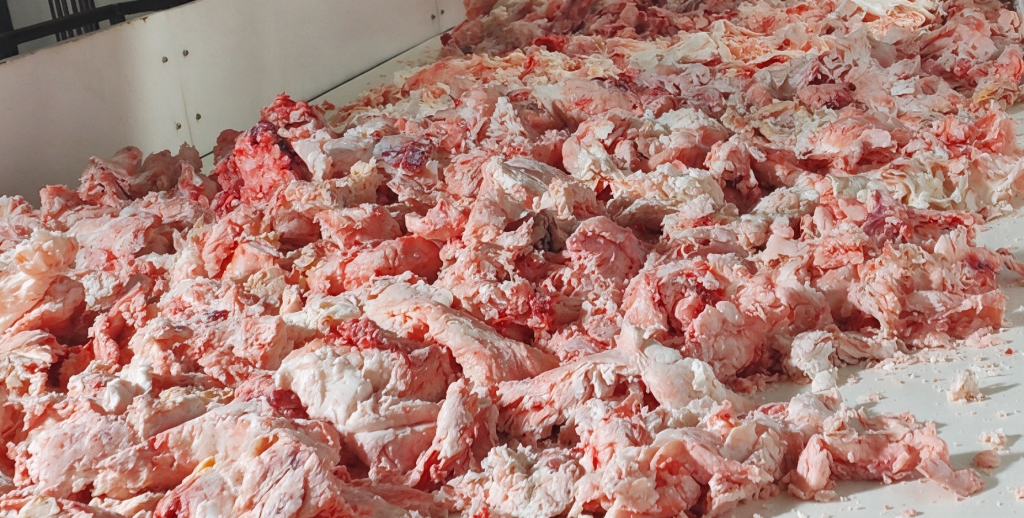
Its core functions are as follows:
Common processes for animal fat cooking (Fat Rendering Plant):
Raw material crushing → Conveying and feeding → High/low-temperature melting → Pressing or centrifugal separation → Crude-oil filtration → Oil storage → Residue drying → Environmental-protection treatment.
Process configurations vary with raw-material types. Slaughter by-products usually have high fat content and suit continuous melting. If feed-oil raw materials contain high moisture and impurities, stronger pretreatment and oil-water separation capacity are required.
The calculations below are for reference only. Actual profit is affected by raw-material price, oil yield, oil price, residue price, energy consumption, labor, environmental-protection costs and local policies. On-site project calculation is needed for accurate figures.
Simplified calculation formula:
Profit per ton = Oil revenue + Meat-and-bone-meal revenue − Raw-material cost − Energy & labor cost − Environmental-protection cost − Equipment depreciation − Transportation & warehousing cost
Taking slaughter by-products as an example: with low raw-material cost, stable oil yield and reliable downstream sales channels for oil and meat-and-bone meal, profit per ton is generally higher than that from low-fat feed-oil raw materials. Profit margins will shrink if raw-material prices rise or environmental-protection investment increases.
Reference profit for slaughter by-products and feed-grade oil:
| Raw Material Type | Reference Output & Price Basis | Reference Profit per Ton |
| Slaughter by-products | Oil yield: approx. 30%-45%; animal oil: RMB 7,000-7,400 / ton; meat-and-bone meal: RMB 5,000-6,000 / ton | Approx. RMB 400-800 / ton |
When choosing a manufacturer of animal fat rendering equipment, focus on the following indicators:
Liede Rendering Equipment is a brand under Chengzhu Group, specializing in R&D, manufacturing and service of animal fat cooking (Fat Rendering Plant) equipment. Targeting slaughterhouses, feed-oil plants and entrepreneurial investors, Liede Rendering Equipment delivers turn-key solutions covering process design, equipment configuration, installation & commissioning and operational support.
Its equipment applies to resource utilization of slaughter by-products, feed-grade oil production and animal-fat recovery. Production lines can be customized according to raw-material properties, site conditions and environmental-protection requirements, helping customers lift oil-recovery efficiency and production stability while controlling investment and energy consumption.
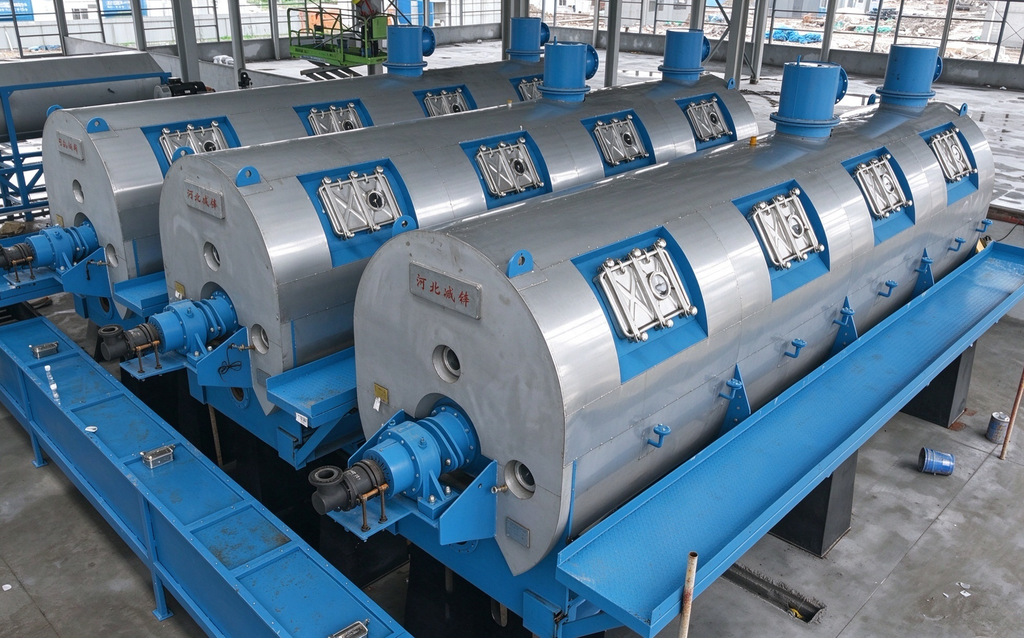
Returns of an animal fat cooking (Fat Rendering Plant) project do not depend solely on equipment price. They are also determined by raw-material sourcing capability, process matching degree, environmental-protection compliance and downstream sales system. Enterprises planning to enter this industry are advised to clarify daily processing capacity, raw-material type, local environmental-protection requirements and target product grade before conducting equipment configuration and investment calculation.
 Industry Success Case
 News
News
 Industry Success Case
News
News
Industry Success Case
News
News
 News
News

Chinese (Simplified)

English

Russian