
Industrial-Grade Animal Fat Primary Rendering
Explore MoreFood-Grade Animal Fat Primary Rendering
Explore MoreOn 5 September 2026, CCTV's programme "The Great Cycle Around Us" disclosed a set of figures: in January-July this year,China's exports of industrial-grade mixed oil reached 2.2301 million tonnes, up 54.79% year on year;the price of bio-jet fuel climbed from about USD 2,200 per tonne at the start of the year to roughly USD 2,500 per tonne in July,and export orders are already booked into 2027; and since 1 January, SAF and hydrocarbon-based biodiesel have been granted independent customs tariff codes,no longer drawing on the traditional refined-oil export quota. Beyond the buzz,there is another long-underestimated category — animal fats — that is being repriced by the very same market cycle.

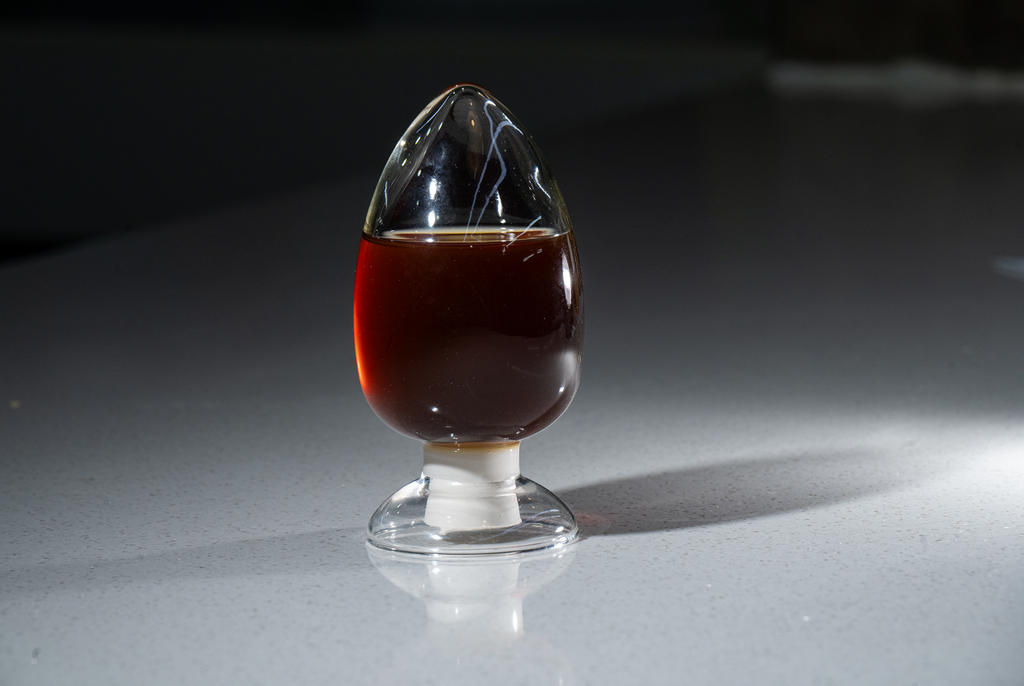
1. Animal fats are not one commodity, but three "identities"
By application, animal fats fall into at least three tiers: food grade (lard, beef tallow and mutton tallow,for catering and the food industry), feed grade (managed under the Catalogue of Feed Ingredients, for aquaculture and pet food),and industrial grade (biodiesel, sustainable aviation fuel, detergents and industrial lubricants).The same batch of raw material, processed along different routes, ends up in completely different grades at completely different prices.Notably, on 1 February 2026, GB/T 46004-2025 "Animal Fats and Oils: Beef Fat" and GB/T 46003-2025 "Animal Fats and Oils:Sheep Fat" officially came into effect —the first time quantified ranges of characteristic indicators have been set for edible beef and mutton fat, so whether it is genuine beef tallow can now be measured.
2. Upstream, the core technical content lies in grading
Fat from the slaughtering and cutting floor — caul fat, intestinal fat and trimmings — is fresh enough to serve as food-grade raw material;offcuts from food processing and used cooking oil from catering mostly take the industrial route;dead livestock and poultry and high-risk parts can only be destroyed or used to produce renewable fuels. In Regulation (EC) No 1069/2009,the EU classifies animal by-products by risk into three categories: Cat 1, the highest risk (destruction or renewable fuels); Cat 2, medium;and Cat 3, the lowest risk (from healthy animals not rejected at ante-mortem inspection,permitted in feed). In October 2025 the EU tightened the rules further: from 19 November 2027,third-country suppliers exporting Cat 3 waste fats to the EU must be authorised by their national veterinary authority and registered in the TRACES system.Compliance grading of raw materials is turning from a bonus point into a ticket to entry.
3. One percentage point of FFA is worth one hundred euros
Fastmarkets assessments of 10 September 2026 show that among European poultry fats, material with FFA at or below 2% was quoted at EUR 1,200-1,220 per tonne,while 5% FFA material was about EUR 100 per tonne cheaper — a three-percentage-point gap in free fatty acids,a hundred-euro gap per tonne. Over the same period, European used cooking oil stood at EUR 1,280-1,290 per tonne;Brazilian tallow at USD 1,120-1,160 per tonne FOB Santos; and US Gulf tallow at 20% FFA at USD 1,665 per tonne.Behind the spread: China's 2026 beef import quota of 1.106 million tonnes is nearly exhausted (a 55% surcharge above quota, 67% in total),and Brazil's cattle slaughter in July fell 21.2% year on year, tightening tallow supply.
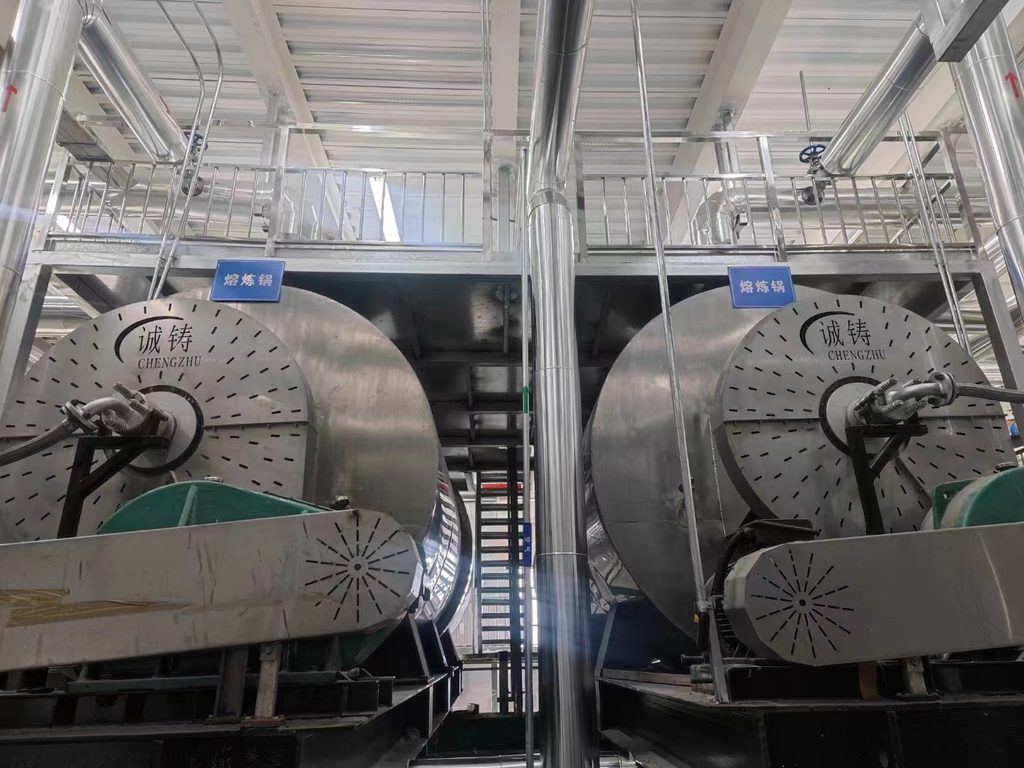
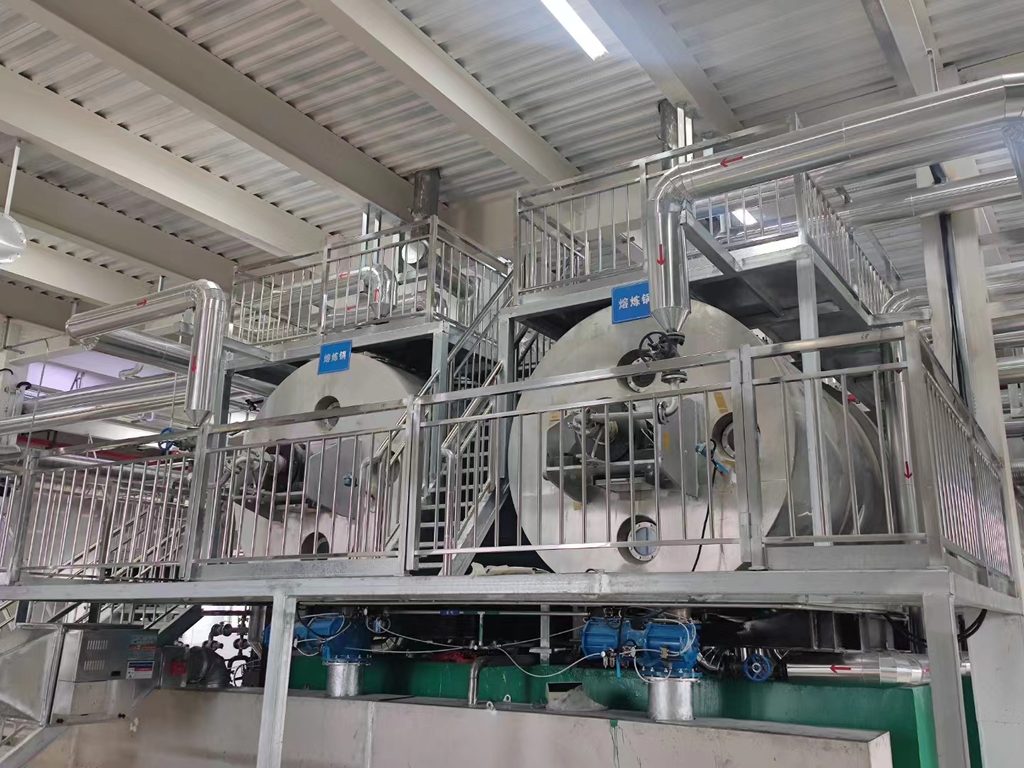
Supporting that spread is a complete process chain: crushing → rendering (closed, under negative pressure and at low temperature,to keep the acid value down) → pressing (a three-stage screw pressing residual fat down to 9%-14%)→ centrifugal separation → conveying → waste gas treatment → refining → testing and traceability.GB/T 12766-2026 "Animal Fats and Oils: Determination of Melting Point" was also published in February 2026.
4. What is being repriced is not only the fat, but the process that makes it a qualified product
As animal fats shift from by-product to a raw material in high demand, what is truly being repriced is the process that reliably turns them into a qualified product.Liande, a brand under Hebei Chengzhu Machinery Group,focuses on animal fat rendering and refining equipment — from process design to on-site commissioning,helping every tonne of animal fat find its best use.
数据来源:
https://news.cctv.com/2026/09/05/ARTIEJ4zcyGpswrUIUwQHYzn260905.shtml
https://www.fastmarkets.com/insights/european-uco-and-animal-fat-prices-jump-on-strong-demand-and-geopolitical-tensions
 News
News
News
News
 News
News
 News
News
 News
News
 News
News

Chinese (Simplified)

English

Russian