
Industrial-Grade Animal Fat Primary Rendering
Explore MoreFood-Grade Animal Fat Primary Rendering
Explore MoreTrade flows are being redrawn. According to Fastmarkets' 2026 biofuel supply chain analysis, Australia shipped 50,400 tonnes of tallow to the United States in January–February alone, up 77% year on year. US imports of inedible tallow reached 90,027 tonnes in April, nearly double the March volume.
Supply cannot scale with price. Tallow is a slaughter by-product, and Fastmarkets Analytics expects US tallow production to fall 4.1% to 7.26 billion pounds in 2026/27. The industry's summary is blunt: "We will not raise more cattle for tallow."
Prices have already moved. market.us data shows the US producer price index for lard and inedible tallow rising from 381.263 in December 2025 to 430.610 in April 2026 — roughly 13% in four months.
Three lines converge: costly raw material, limited volume upside, rising prices — so the profit lever on the rendering line is shifting from throughput to recovery rate.
A complete rendering line from LIANDE runs through size reduction, high-temperature cooking, pressing, and separation with polishing. If one stage drifts, the loss is settled at the last one.
Size reduction. Particle size must match heat penetration depth; oversized pieces leave the core under-sterilised and much of the fat locked in.
High-temperature cooking. A batch cooker transfers heat through a steam jacket and agitator shaft inside a sealed vessel — typically 140°C at 0.5 MPa for four hours or more, followed by vacuum drying to drive off moisture. These parameters cannot be trimmed by feel: the US EPA's AP-42 Chapter 9.5.3 records a dry rendering range of 121–135°C held for 1.5–2.5 hours, while the EU's (EC) No 1069/2009 Method 1 requires 133°C at 3 bar for 20 minutes.
Pressing. The only stage that directly produces sellable fat, and the stage that fixes the residual fat level in the meal. This is where the fat press machine earns its keep.
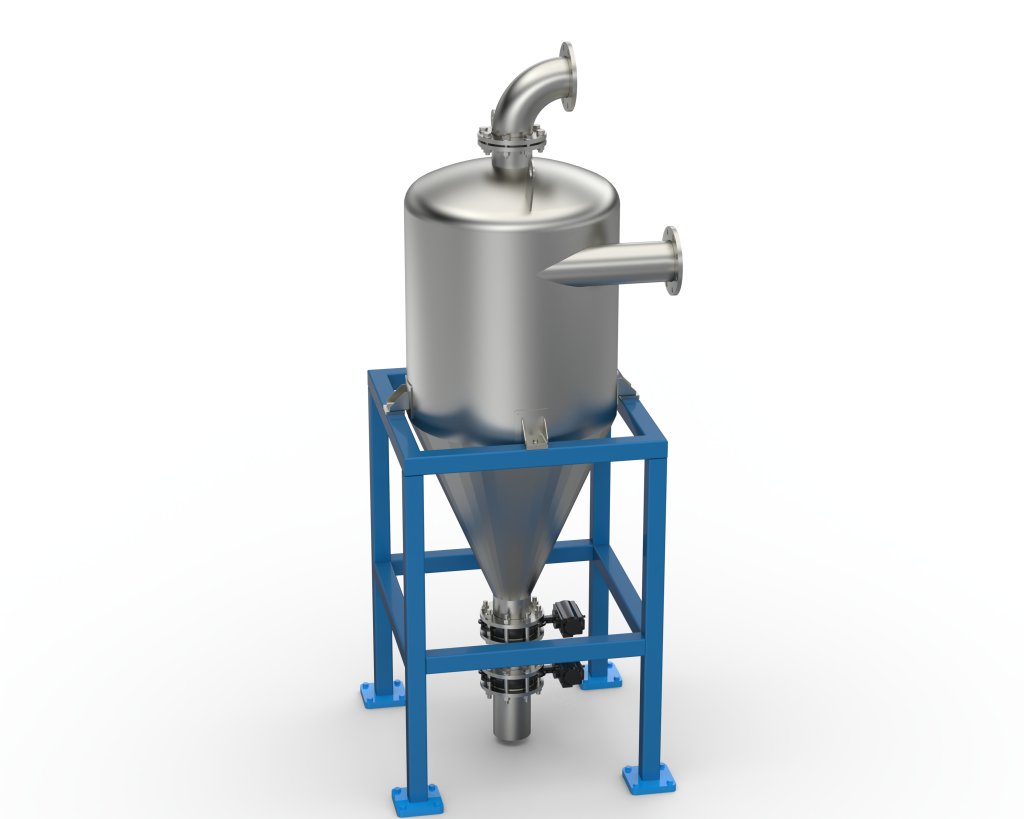
Separation and polishing. Pressed crude fat still carries fine solids; it passes through a fat filtrator or a horizontal centrifuge before it reaches storage.
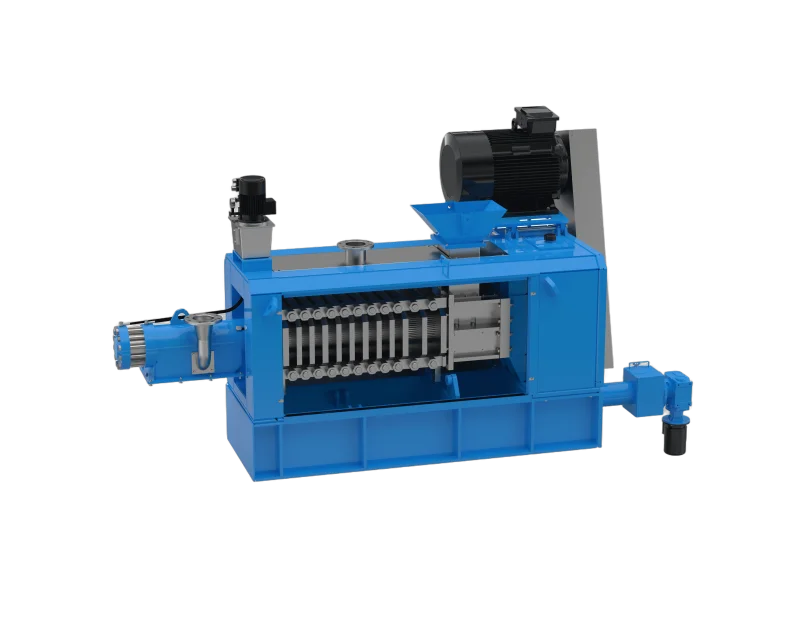
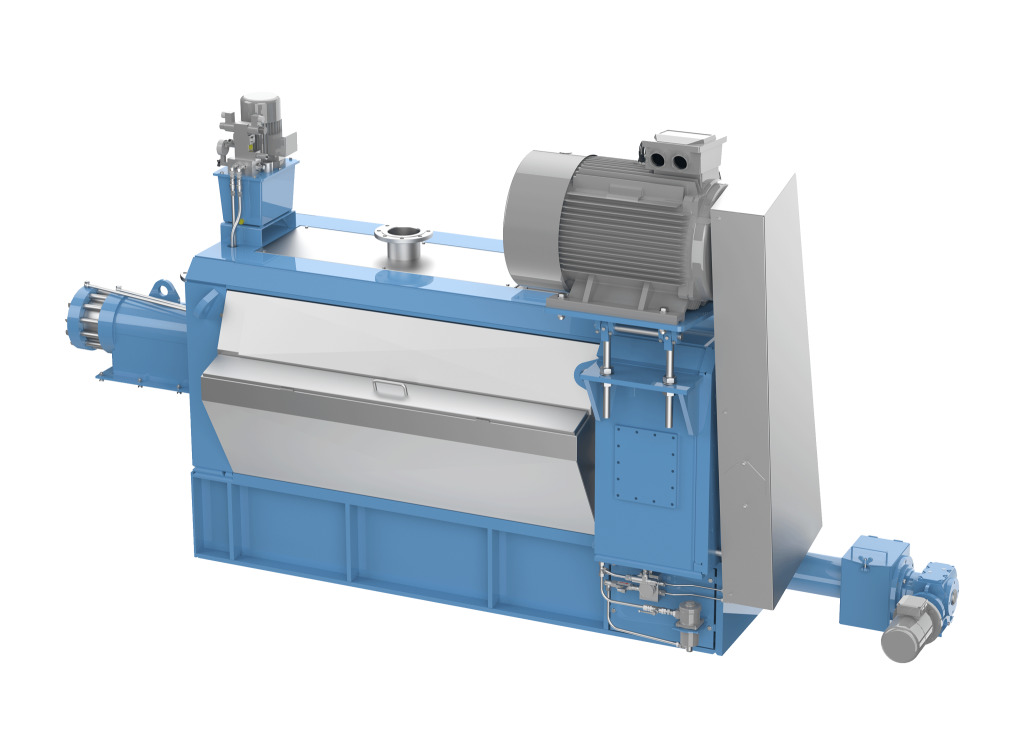
Residual fat is the one number worth tracking in the press stage.
A study published in the Journal of the American Oil Chemists' Society (JAOCS) reports that protein meal from North American continuous screw presses typically retains 8%–15% fat — a structural weakness of the process. At today's fat prices, that residual is revenue sold at a discount. LIANDE's screw fat press applies three-stage progressive pressure with a hydraulic cake head to densify the cake, holding residual fat at 9%–14%.
The next upgrade window is already visible: the same study used CO₂-assisted mechanical pressing at 40°C with roughly 210 bar CO₂ and 500 bar effective mechanical pressure to cut fat in poultry meal from 12.1% to 2.3%.
| Separation method | Residual fat in protein meal |
| Continuous screw pressing (industry norm) | 8%–15% |
| Three-stage screw press + hydraulic cake head | 9%–14% |
Fat content and tissue composition. Mixed high-fat soft tissue and bone calls for three-stage progressive pressure and a denser cake head.
Capacity and continuity. Multiple products in small batches point to a batch line; a single bulk raw material fed continuously points to a continuous line.
What the downstream can absorb. Meal with higher residual fat burns more steam in drying, and the whole line's energy bill rises with it.
For the screw-versus-hydraulic trade-off in detail, see choosing the right fat press.
Q1. Is the gap between 9% and 15% residual fat worth a press upgrade?
It is worth modelling. The difference is six percentage points of sellable fat; at current prices, most projects recover the investment within a few production seasons.
Q2. Can we recover more fat by cooking hotter?
Not recommended. Excessive temperature over-denatures protein and lowers amino acid availability, yet it does not release more fat. Cooking delivers sterilisation and cell structure breakdown; yield is decided at the press.
Q3. Is odour control easy to overlook?
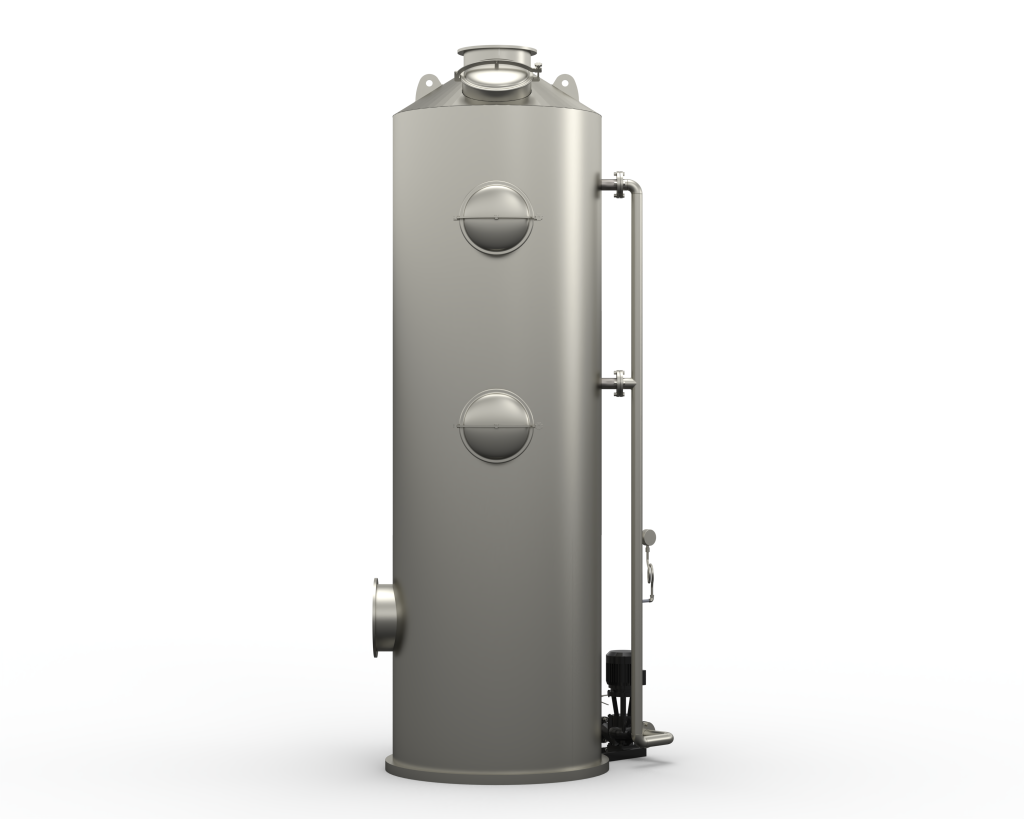
It is the most under-estimated part of the line. Gases from cooking and pressing must be condensed and scrubbed — see the wet scrubber.
Competition in animal fat rendering is no longer about whether you can render, but how cleanly you do it. With raw material supply flat and prices rising, every tonne of fat left in the cake is money dropped straight into cost. To model residual fat against your own raw material mix and capacity, contact us.
 News
News
News
News
 News
News
 News
News
 News
News
 News
News

Chinese (Simplified)

English

Russian