
Industrial-Grade Animal Fat Primary Rendering
Explore MoreFood-Grade Animal Fat Primary Rendering
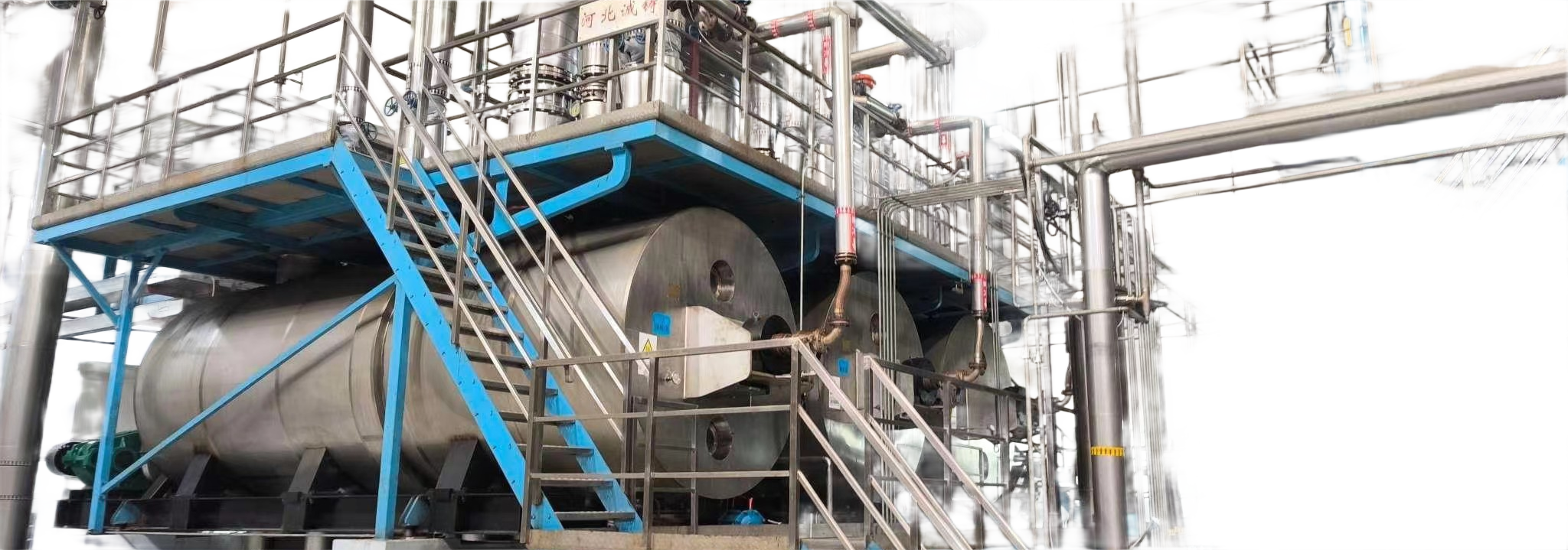
Explore MoreA mid-scale beef processing plant successfully upgraded from selling low-value mixed fat to producing premium edible tallow by installing a customized rendering line built around a fat melting kettle, oil-residue separator, and high-speed polishing centrifuge — supported by a dedicated condenser and odor treatment train. The key was not a single machine, but matching equipment sequence, material flow, and quality control to the plant’s actual raw material profile: fresh beef trimmings, suet, and select fat cuts handled within hours of slaughter.
Below is a detailed look at how the project was scoped, what the rendering line looks like in practice, and which design choices made the difference between commodity tallow and a food-grade product.
Before the upgrade, the plant ran a simple open-cooking arrangement that mixed all fat streams together — trimmings, cutting-floor scraps, and bone-attached fat. The result was a single, dark tallow stream sold mostly to soap and animal feed buyers at modest prices.
The bottleneck was not capacity. It was that everything bottlenecked on quality:
The plant’s technical team wanted to move into edible-grade tallow for food and oleochemical buyers, which meant rebuilding the process around fat quality first, then volume.
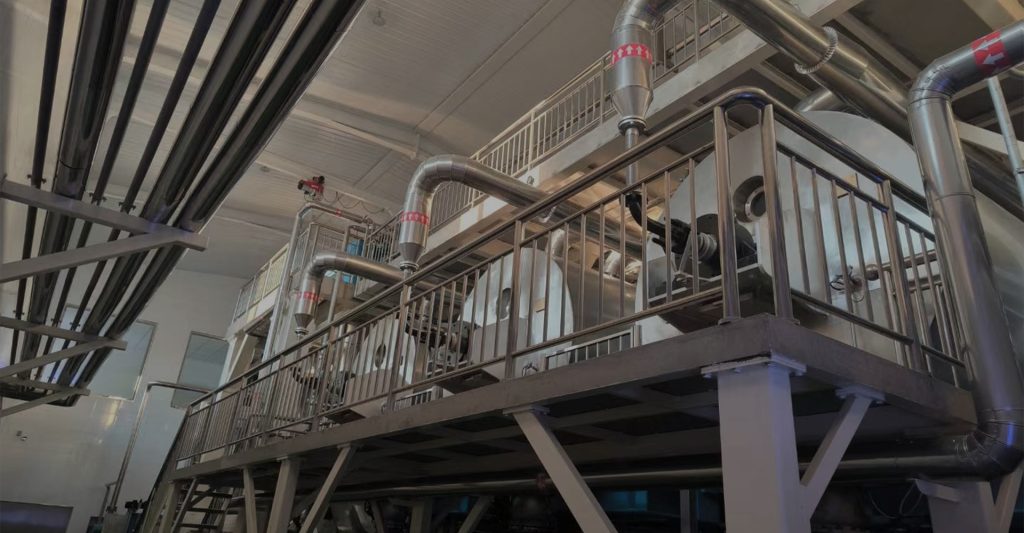
The customization started with a raw material audit. Beef trimmings from the deboning line were segregated from bone-in fat and offal-attached fat. Each stream had its own moisture profile, connective tissue ratio, and freshness window — and each was routed differently in the final design.
This segregation alone reshaped the economics: roughly the same total fat volume now produced two distinct products at two different price points, instead of one commodity output.
The premium tallow line was built as a sequence where each unit had a clearly defined job. The principle was: do one thing well, then hand off cleanly to the next stage.
For plants comparing condenser options at this stage, the differences between cooling methods matter — our breakdown of air-cooled vs water-cooled condensers covers the trade-offs in detail.
The fat melting kettle is where premium tallow is made or lost. In the customer’s previous setup, fat was cooked too aggressively, which oxidized lipids and darkened color. The new kettle was selected with three priorities:
For instance, a buyer evaluating tallow for food applications will reject a sample on color and odor before ever testing FFA. Getting the kettle stage right is what makes the rest of the line possible.
After melting, the mixture leaving the kettle contains liquid fat, solid greaves, and a small amount of water. Sending this directly to a centrifuge would overload it and shorten service life dramatically. That’s why a dedicated oil-residue separator sits in between.
The separator presses and screens out the bulk of solids, producing a protein-rich crackling cake (sold as a feed ingredient) and a fat stream that’s already visually clear. The centrifuge then polishes this stream, removing the last fines and any free moisture.
The practical effect for the beef plant: storage tanks no longer accumulated sludge at the bottom, and tanker samples passed buyer inspection on first submission instead of requiring re-filtration. For a broader walkthrough of these recovery stages, see our guide to extracting oil from animal fat.
Edible-grade tallow production carries a hidden requirement: the plant itself has to stay clean and low-odor, both for the product and for the regulatory environment. Beef rendering vapors are particularly noticeable, and a plant that smells strongly will face complaints regardless of how good the tallow is.
The customized system pulled all vapor sources — kettle, separator hood, centrifuge vent — into a single collection manifold, condensed the bulk of the moisture, and sent the remaining non-condensables through a multi-stage scrubber. This is the same logic outlined in our overview of odor and emissions control strategies.
The plant manager reported that within a few weeks of commissioning, both the in-plant air quality and the community-facing odor footprint improved noticeably — an outcome that protected the plant’s operating license as much as it protected product quality.
The most telling measure of the project was the shift in buyer base. Before the upgrade, the plant’s output went exclusively to soap and feed markets. After commissioning, the premium line’s tallow met the visual, sensory, and laboratory thresholds expected by edible oil refiners.
The same tonnage of beef fat now generates two product streams: edible-grade tallow sold at food-industry pricing, and technical-grade tallow for oleochemical and biodiesel buyers.
Whether your plant is rendering 5 tonnes a day or 50, the project pointed to a few principles that translate broadly:
For processors handling poultry rather than beef, the same logic adapts — see the parallel approach in our chicken fat recovery case.
The takeaway from this project is straightforward: premium edible tallow is the result of a sequence of correct decisions — raw material segregation, gentle melting, proper solids removal, centrifuge polishing, and disciplined vapor handling. No single piece of equipment is magic, but each one has to be sized and configured against the actual fat profile coming off your kill floor.
If you’re evaluating an upgrade, the most useful first step is a process audit: what does your raw material actually look like, where is quality being lost, and which product grades do your potential buyers want? From there, a customized line can be scoped around your real constraints rather than a generic catalog.
To discuss a project of your own, browse our rendering solutions or contact our engineering team for a tailored proposal.
 Industry Success Case
 Industry Success Case
 Industry Success Case
 Industry Success Case

Chinese (Simplified)

English

Russian