
Industrial-Grade Animal Fat Primary Rendering
Explore MoreFood-Grade Animal Fat Primary Rendering
Explore MoreSizing a batch cooker correctly is the single most important engineering decision in a rendering plant build — get it wrong and you either bottleneck production or waste capital on oversized equipment. The right cooker volume is determined by your daily raw material throughput, the number of operating shifts, and the moisture and fat content of the species you process. This guide walks through the key variables, the sizing formula, and the selection criteria that Liande Machinery applies across its fat rendering machinery range.
| Criteria | Small-Scale Batch Cooker (1–3 t) | Mid-Range Batch Cooker (5–10 t) | Large-Scale Batch Cooker (15–30 t) |
|---|---|---|---|
| Typical raw input per batch | 1,000–3,000 kg | 5,000–10,000 kg | 15,000–30,000 kg |
| Best suited for | Abattoirs, small processors | Mid-size slaughterhouses, poultry plants | Large integrated rendering facilities |
| Cycle time (cook + drain) | 3–4 hours | 4–6 hours | 5–8 hours |
| Steam pressure requirement | Customize according to raw material requirements | Customize according to raw material requirements | Customize according to raw material requirements |
| Downstream equipment scale | Single press, small centrifuge | Dual press, mid-size disc dryer | Multiple presses, large disc dryer line |
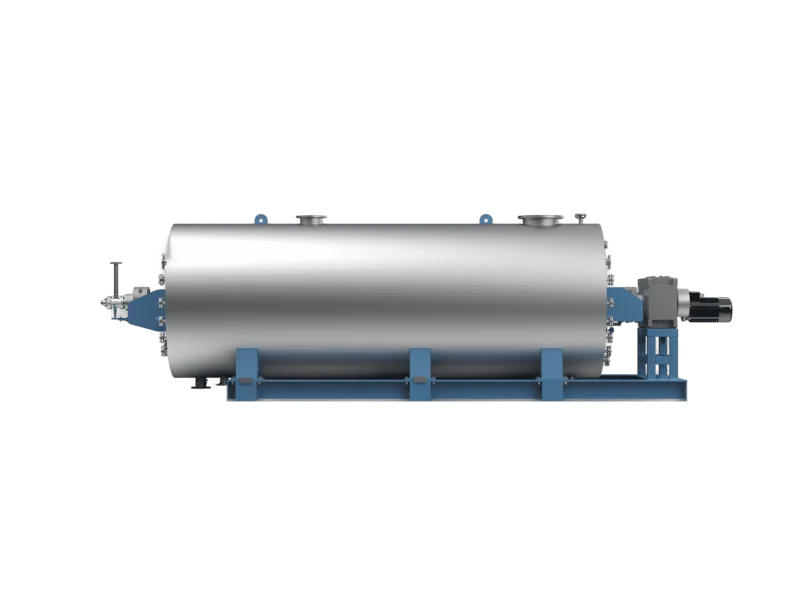
A batch cooker is a horizontal steam jacket container equipped with an internal agitator shaft and propeller blades. Its job is to simultaneously cook, disinfect, and begin removing aquatic animal by-products - meat chunks containing animal fat - in a closed loop. Indirect steam heating (usually under negative pressure inside the tank, which facilitates rapid dehydration and retention of oil and nutrient substances) heats the material through a jacket and hollow shaft, while rotating blades ensure uniform heat distribution and prevent burning.
The output of each batch is a semi-dry cracklings-and-fat slurry, which then moves downstream to a fat screw press and disc dryer for final fat separation and moisture reduction. Understanding this role is essential before calculating size: the cooker sets the rhythm for every downstream machine in the line.
Batch cookers suit operations with variable raw material supply — common in abattoirs and mid-size poultry plants. Continuous systems suit very high, steady-volume inputs above 50 tonnes per day. For a detailed comparison of both approaches, see our industrial guide to batch and continuous rendering.
The fundamental sizing equation is straightforward:
Required cooker volume (m³) = (Daily raw input ÷ Number of batches per day) ÷ Fill factor
The fill factor for a batch cooker is typically 0.6–0.7 (60–70% of nominal volume) to allow for material expansion and paddle clearance. Number of batches per day depends on cycle time, which ranges from 3 hours for small vessels processing soft poultry material to 8 hours for large vessels handling dense bone-heavy cattle by-products.
A poultry slaughterhouse generating 20 tonnes of raw by-product per day, operating two 8-hour shifts, can run approximately 4–5 batches per day with a 3.5-hour cycle. That gives a required batch size of 4–5 tonnes of raw material. Applying a 0.65 fill factor, the nominal cooker volume needed is roughly 6–8 m³ — corresponding to a 5-tonne rated vessel in Liande's standard range. Undersizing to a 3-tonne unit would force 7 batches per day, creating a production bottleneck and excessive energy cycling.
For plants handling mixed species or seasonal volume swings, Liande engineers typically recommend sizing 15–20% above the calculated minimum to preserve operational flexibility.
Raw material composition significantly affects both cycle time and the effective capacity of a given cooker volume. Three variables matter most:
For fish by-product rendering specifically, lower cooking temperatures (around 90–100°C) are often used to protect omega-3 fatty acid integrity, which extends cycle times and reduces effective daily throughput. See our post on how rendered fish fat is produced and used for species-specific process parameters.
Once you have a target quantity, the engineering standards determine which specific cookware specifications to order:
Agitator motors are sized to the material density. Bone-heavy cattle rendering lines typically require 30–45 kW drives on mid-range vessels; poultry lines can often use 15–22 kW. Undersized drives stall under load and cause costly downtime.
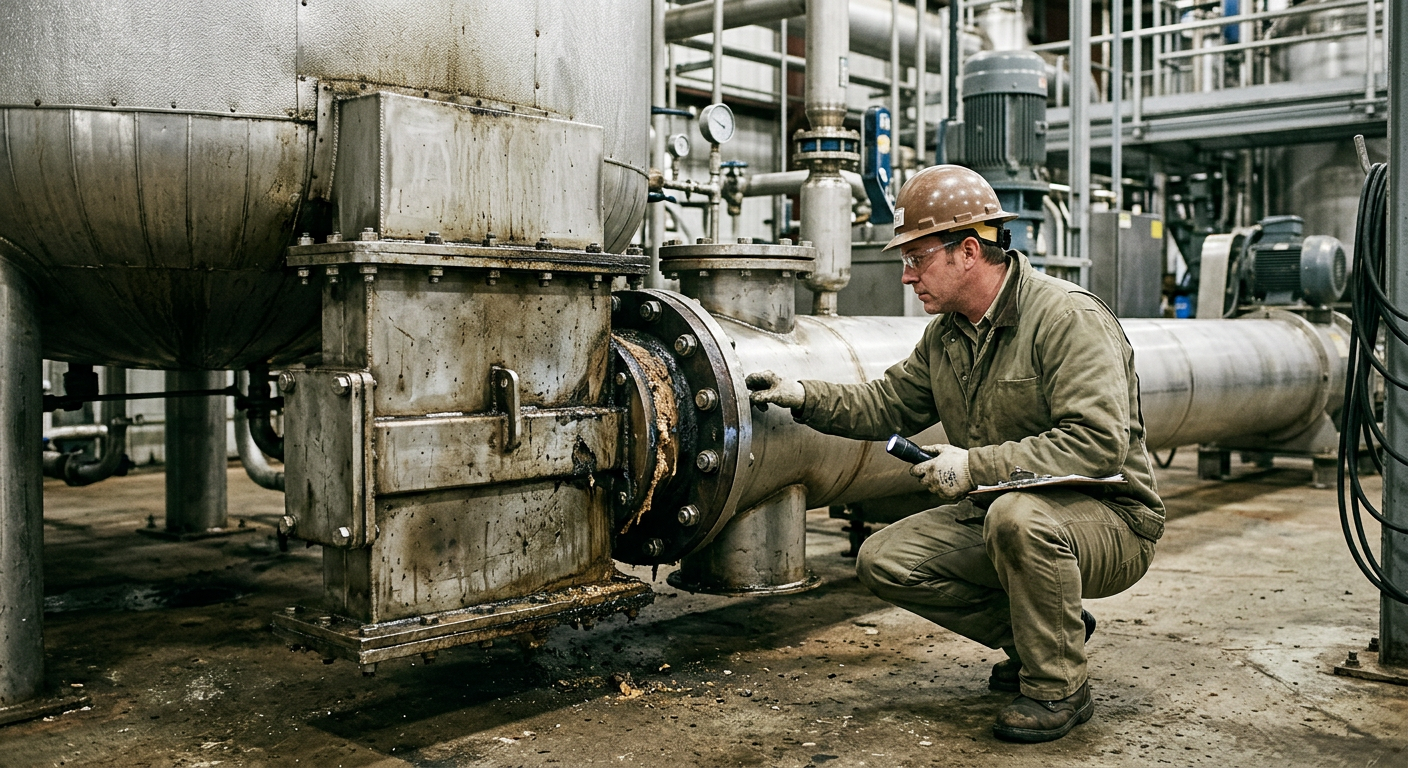
The cooker's vapor outlet diameter must be matched to a correctly sized shell and tube condenser and vacuum pump station. A mismatch here causes pressure buildup inside the vessel, slowing evaporation and extending cycle times unpredictably.
The bottom discharge gate size and position must align with the feed conveyor leading to your fat screw press. Mismatched discharge geometry is a common retrofit problem on plants that source equipment from multiple suppliers — a key reason Liande designs full lines as integrated systems.
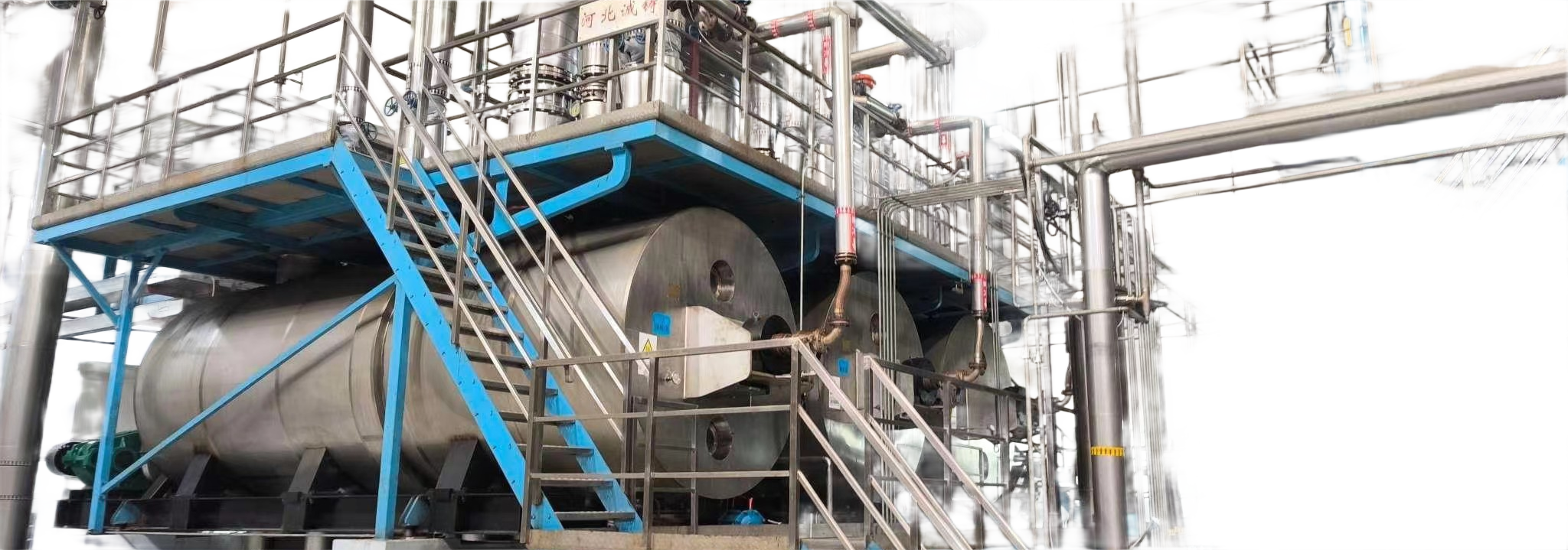
In Liande's Malaysia 80-tonne daily slaughter waste project, the engineering team specified two parallel 10-tonne batch cookers rather than a single 20-tonne unit. The rationale: redundancy during maintenance windows and the ability to process different species streams simultaneously without cross-contamination of fat quality. This dual-cooker configuration added roughly 12% to equipment cost but eliminated single-point-of-failure risk for a plant operating six days per week.
Similarly, the Shandong Minsheng meat and bone meal project required cookers sized for a high bone-fraction input, which pushed cycle times to 6–7 hours and led to a three-cooker configuration to meet daily output targets for both tallow and meat and bone meal.
The most reliable path to a correctly sized batch cooker is to share three data points with your equipment supplier: daily raw input volume in tonnes, species breakdown and approximate moisture/bone ratio, and your target operating hours per day. From these, Liande's engineering team can produce a full line sizing proposal — covering not just the cooker but the matched disc dryer, press, and waste gas treatment system — before any capital commitment is made.
If you are planning a new rendering facility or upgrading an existing line, contact Liande Machinery with your raw material data for a no-obligation capacity assessment and equipment recommendation.
 Industry Success Case
 Industry Success Case
 Industry Success Case
 Industry Success Case

Chinese (Simplified)

English

Russian