
Industrial-Grade Animal Fat Primary Rendering
Explore MoreFood-Grade Animal Fat Primary Rendering
Explore MoreAn oil-residue separator is the equipment stage that removes solid particles, protein fragments, and bone fines from melted fat before it reaches the centrifuge, and it is the single most common reason two plants running identical raw material get different yield results. Skip this stage, or run it with a poorly matched screen size, and even a well-tuned rendering line will bleed oil into the residue stream, foul downstream separators, and produce fat that fails clarity checks. Most plants focus their attention on the fat melting kettle or the disc dryer, but the oil-residue separator sitting between them is what actually protects the yield those upstream machines produce.
After fat is melted and cooked in a kettle or dried through a continuous disc dryer, the resulting slurry still contains a mix of liquid oil, moisture, and solid residue — bone particles, connective tissue, and protein fines. The oil-residue separator's job is to mechanically split this slurry into a cleaner oil-rich liquid stream and a solids-rich residue stream, before either goes further downstream.
This is not the same function as centrifuge separation, which handles the finer oil-water-solids split later in the process. Oil-residue separation happens earlier and coarser — it's the first line of defense against particulate that would otherwise overload or damage more sensitive equipment further down the line.
Feeding unseparated slurry directly into a centrifuge shortens bowl life, increases cleaning frequency, and can force operators to reduce throughput just to avoid clogging. Positioning a properly sized oil-residue separator ahead of the centrifuge protects that investment and keeps the whole line running at design capacity.
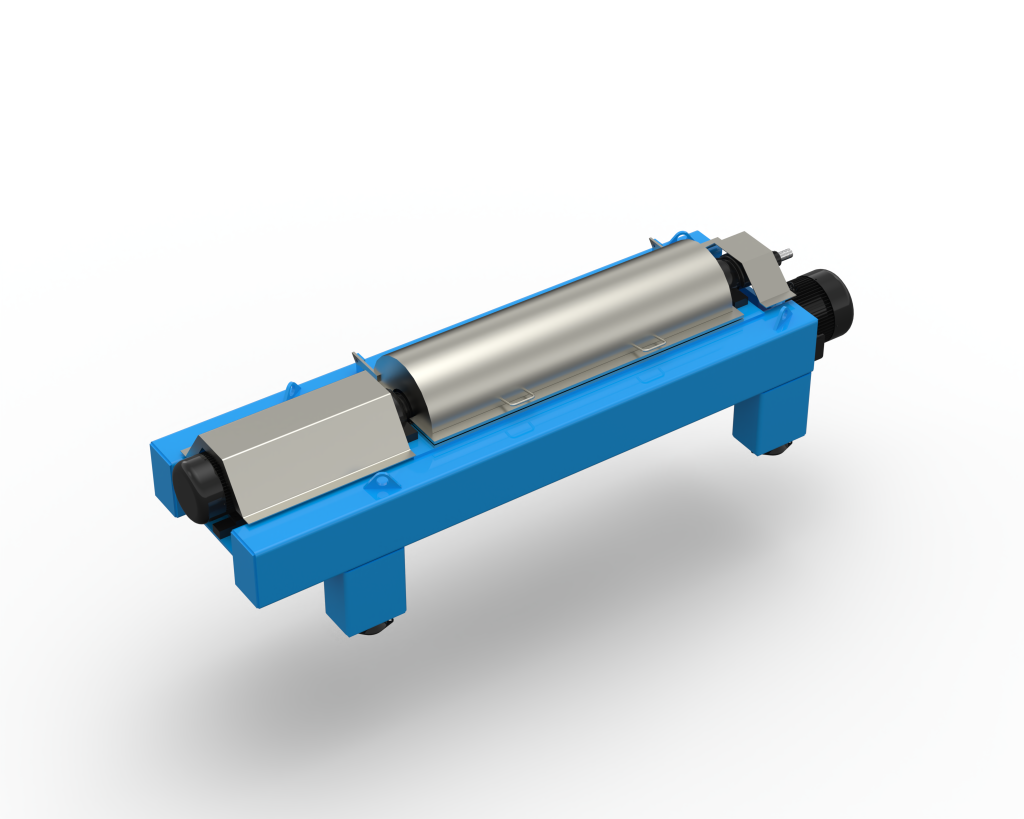
Oil trapped inside discarded residue is oil that never reaches your storage tank, and it is one of the most common — and most invisible — sources of yield loss in animal fat rendering. If a separator's screen size or rotation speed is mismatched to the material being processed, oil clings to the solids and exits with the residue stream rather than the oil stream.
This loss doesn't show up as an obvious equipment failure. It shows up gradually, as declining yield percentages that operators often blame on raw material quality or upstream cooking parameters, when the real cause is a separator stage running outside its intended settings.
A mid-sized beef fat processor once traced a persistent yield gap to residue screens that had been running with an oversized mesh for months — installed as a stopgap after the original screen wore out. Oil-rich fines were passing straight into the solids discharge instead of being reclaimed. Replacing the screen with the correct specification recovered a meaningful share of oil that had been leaving the plant unnoticed in the residue bins.
Plants running a batch process centered on a fat melting kettle typically process slurry in discrete cycles, giving the oil-residue separator time to work through a defined volume before the next batch starts. Continuous lines built around a disc dryer feed material steadily, so the separator must handle constant throughput without the buffer time a batch cycle provides.
This distinction affects equipment sizing and screen selection. A separator undersized for a continuous line's flow rate becomes a bottleneck that backs up the entire process, while one oversized for a batch line simply runs inefficiently between cycles. For a deeper comparison of how these two process types differ overall, see our industrial guide to batch and continuous animal fat rendering process.
Not all oil-residue separation happens in a single step. Coarse separation removes larger bone and tissue fragments immediately after melting, protecting pumps and piping from blockages. Fine separation follows, targeting smaller particulate and protein fines that coarse screening lets through — and it's this fine stage that most directly affects the clarity and quality of oil entering the centrifuge.
Some smaller operations try to save on equipment cost by relying on coarse separation alone, assuming the centrifuge will handle the rest. In practice, this pushes more fine solids into the centrifuge than it's designed to process efficiently, reducing separation efficiency and increasing maintenance intervals. The fine separation stage exists specifically to keep that centrifuge working within its intended operating range.
Screen wear, seal degradation, and rotor imbalance are the three most common failure points in oil-residue separators, and each produces a distinct symptom before outright failure. Gradually increasing oil content in the residue discharge is usually the first sign of screen wear. Unusual vibration or noise during operation often points to rotor imbalance building up from uneven solids loading.
Plants that treat separator maintenance as a scheduled task — rather than a reactive one triggered by visible problems — tend to hold yield more consistently over time. This is the same operational discipline covered in our piece on where fat rendering plants lose money through inefficiency, since a poorly maintained separator also drives up energy use per unit of recovered oil.
The oil coming out of the residue separator still carries moisture and fine particulate that must be addressed further downstream, but its baseline clarity sets the ceiling for everything after it. Oil entering the centrifuge already clouded with fine solids will demand more from the centrifuge stage to reach the same purity — and in some cases, no amount of downstream processing fully compensates for a poor separation stage upstream.
For plants targeting edible-grade fat or supplying oleochemical and biodiesel feedstock buyers, this upstream clarity matters more than it might seem. It directly affects free fatty acid stability and shelf presentation, topics we cover in more depth for buyers evaluating output specifications.
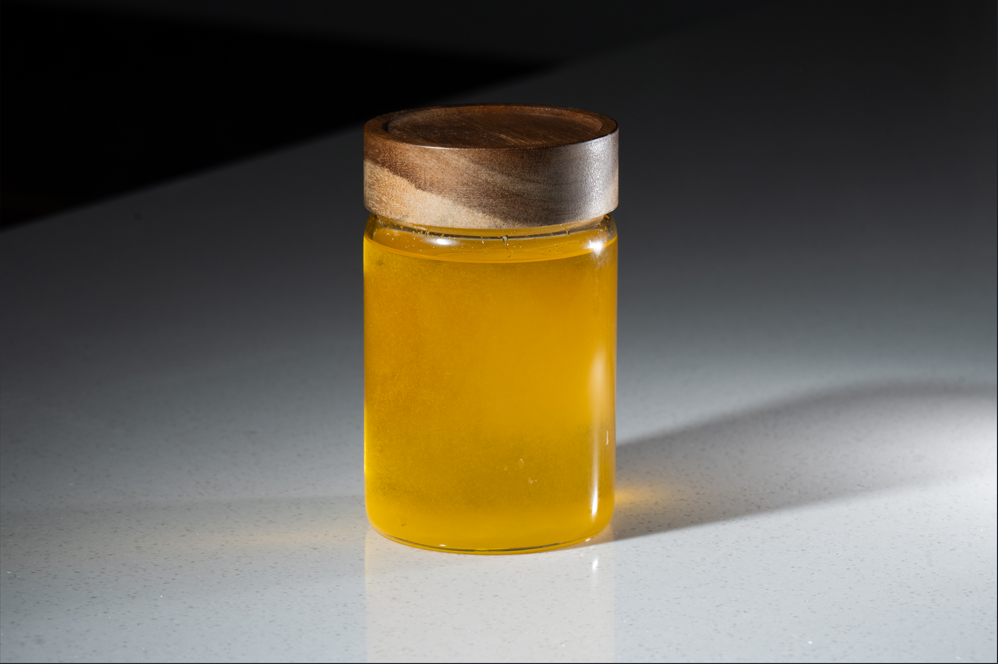
Matching a separator to your operation depends on three practical factors: the raw material's fat-to-solids ratio, your line's throughput rate, and whether you're running batch or continuous production. A poultry fat line handling lighter, softer tissue has different screening needs than a beef tallow line processing denser bone fragments — and undersizing either results in the same outcome: oil lost to residue.
Plants planning a new build or retrofit should evaluate this stage alongside their broader equipment layout, not as an afterthought bolted on after the kettle or dryer is chosen. Our overview on designing an animal fat rendering plant layout covers how separation equipment fits into overall capacity and flow planning.
 Industry Success Case
 News
News
 Industry Success Case
News
News
Industry Success Case
News
News
 News
News

Chinese (Simplified)

English

Russian