
Industrial-Grade Animal Fat Primary Rendering
Explore MoreFood-Grade Animal Fat Primary Rendering
Explore More
1、 Industry Overview: Deep Integration of Traditional Craftsmanship and Modern Needs
The animal fat rendering plant industry, as a key hub connecting livestock by-products with the food, feed, and energy industries, is undergoing a transformation from traditional extensive processing to refined and standardized production. Relying on mature oil melting processes (including efficient batch and continuous negative pressure refining technologies), the industry can not only achieve the ultimate utilization of raw materials, but also ensure the safety and quality of end products through strict food grade and feed grade grading management.
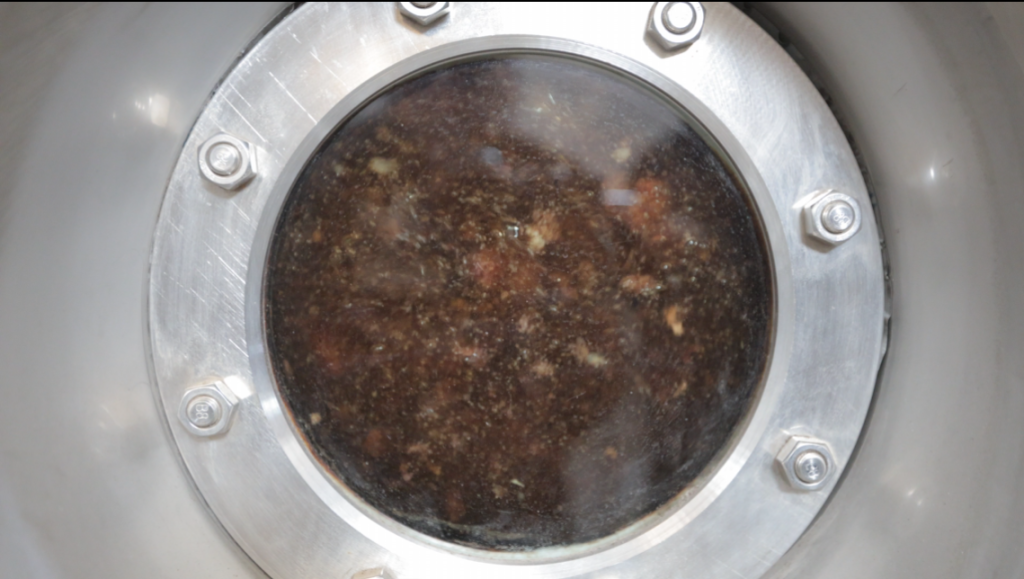
2、 Market size and growth trend: Steady global expansion, with China leading the Asia Pacific region
Currently, the global animal fat market is in a steady upward trend, demonstrating strong resilience against cycles.
Global market: continuous expansion, with Asia Pacific as the core engine
The global animal fat market is expected to reach approximately $351.5 billion by 2026 and is expected to surpass the $600 billion mark by 2033, with a compound annual growth rate (CAGR) of around 8.1%. From a regional perspective, the Asia Pacific region, with its large population base and dietary habits, holds approximately 40% of the global market share and is the largest consumer market in the world; North America and Europe closely follow, accounting for 25% and 20% of the market share respectively.
Chinese market: huge size, significant structural growth
As one of the world's largest producers and consumers of animal fats, China's market performance is particularly impressive. By 2025, the market size of edible animal oil in China has exceeded 22 billion yuan, with an annual output maintained at around 1.8 million tons. Looking ahead, with the acceleration of consumption upgrading and food industrialization, it is expected that the Chinese market size will continue to grow at an average annual rate of 2.8% from 2026 to 2030, and is expected to reach 25.5 billion yuan by 2030. In the field of feed oils and fats, with the scale up rate of aquaculture increasing to over 65%, the market size of China's feed oils and fats is expected to exceed 200 billion yuan by 2030.
3、 Core driving force: rigid support for downstream food and feed demand
The steady growth of the animal fat industry is fundamentally due to the explosive demand in the two core downstream areas.
Food field: dual drive of flavor necessity and industrial application
In the food industry, animal fats and oils play an irreplaceable role in multiple sub sectors due to their unique flavor and physical properties such as crispness and emulsifying ability
Chinese cuisine and baking: Pork fat dominates Chinese cooking and traditional pastries such as Su style mooncakes and peach cakes, and its rich aroma is difficult for vegetable oils to replicate. With the chain and standardization of Chinese cuisine, the demand for high-quality and stable flavor refined lard continues to rise.
Hot pot economy: Butter is the core ingredient of Sichuan Chongqing hot pot base. Benefiting from the sustained hot pot economy, the average annual growth rate of butter demand exceeds 6%, becoming an important engine driving industry growth.
("Hot pot is a communal dining experience where everyone gathers around a simmering pot of broth at the center of the table, cooking their own raw ingredients right at the table.")
Pre made dishes and fast food: The breakthrough in cold chain technology has led to an annual growth rate of 19.6% in the application of highly stable animal fats in pre made dishes (such as braised dishes), further expanding the market space.
Feed field: inevitable choice for high-energy raw materials and formula optimization
In the feed industry, animal fat, as a high-energy feed raw material, has a stable addition ratio between 1.8% and 2.5%, forming a strong rigid demand:
Energy supplementation: In pig and poultry feed, animal fats can significantly increase the energy density of the feed and improve feed conversion efficiency. Especially in high-end formulas such as sow feed and piglet feed, the proportion of functional oils added is gradually increasing.
Cost substitution effect: When the prices of vegetable oils such as soybean oil fluctuate greatly, animal fats become an important alternative option for feed companies to adjust their formulas due to their price advantage and energy characteristics, with significant demand elasticity.
Upgrading of aquatic feed: With the intensive development of aquaculture, the demand for special oils such as fish oil rich in DHA/EPA has surged, driving the rapid expansion of the high-end feed oil market.
4、 Technical barriers and competitive landscape
The industry is accelerating the elimination of small workshop style enterprises, and the entry threshold has significantly increased. Leading enterprises with integrated capabilities, such as Shuanghui and Jinluo, have introduced advanced continuous refining, low-temperature physical refining, and molecular distillation technologies, which not only effectively retain flavor compounds but also significantly reduce harmful ingredients, building a deep technological moat. In the future, enterprises with the ability to integrate the entire industry chain and accurately meet the customized needs of downstream food and feed giants will have an absolute advantage in market competition.
5、 Core equipment recommendation: Empowered by efficient melting and continuous pressing technology
In the field of animal fat rendering, the performance of core equipment directly determines the yield, quality, and environmental compliance costs of the oil. The following two recommended devices represent the advanced level of "batch" and "continuous" processes in the current industry:
Hebei Chengzhu Machinery Group: High efficiency negative pressure fat rendering cooker.
This device is designed specifically for the extraction of high-quality animal fats, with the core advantage being the ultimate preservation of nutrition and flavor.
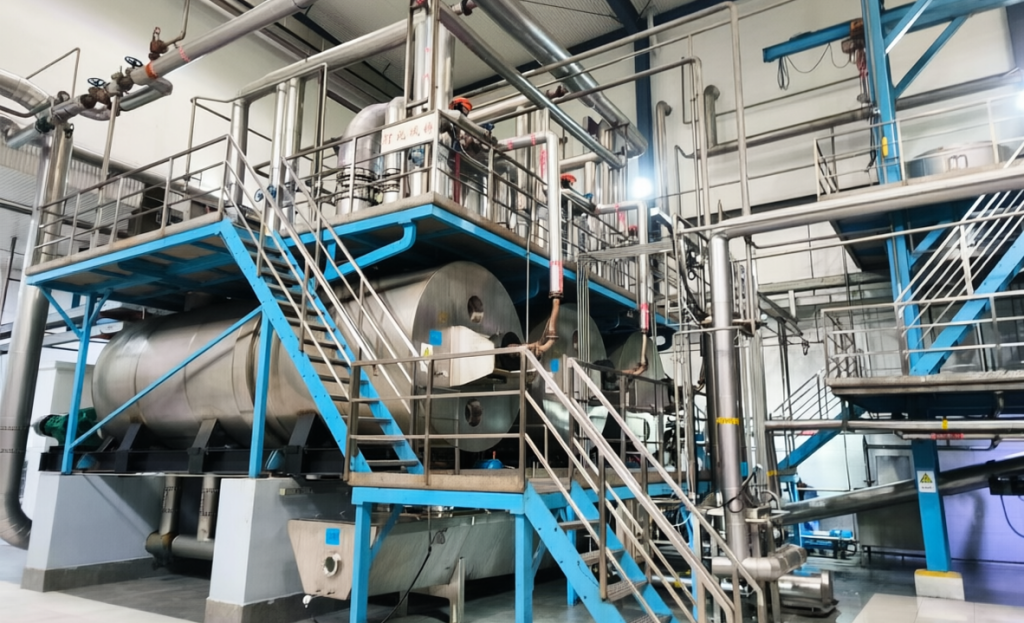
Uniform heating and anti coking: Through unique equipment oil return and bottom oil design, the material is heated evenly during the melting process, fundamentally eliminating the problem of raw materials sticking to the pot and burning, ensuring the color and purity of the oil.
Dual protection of environmental protection and purity: Under negative pressure, moisture and odor molecules in the raw materials will quickly evaporate. These water vapor and odor molecules enter the condenser through the vacuum pipeline, and the condensed water vapor is discharged into the oil separation tank; The remaining non condensable gases enter the exhaust gas treatment equipment to thoroughly remove moisture and odors. This closed-loop system not only significantly improves the purity of oil, but also perfectly meets the environmental emission standards of modern factories.
Jiangsu Sunrise Environmental Protection Technology Co., Ltd.: Continuous Disc Drying Machine and Automated Pressing Machine
This combination of equipment represents the efficient direction of the "dry melting" process and is suitable for large-scale continuous production:
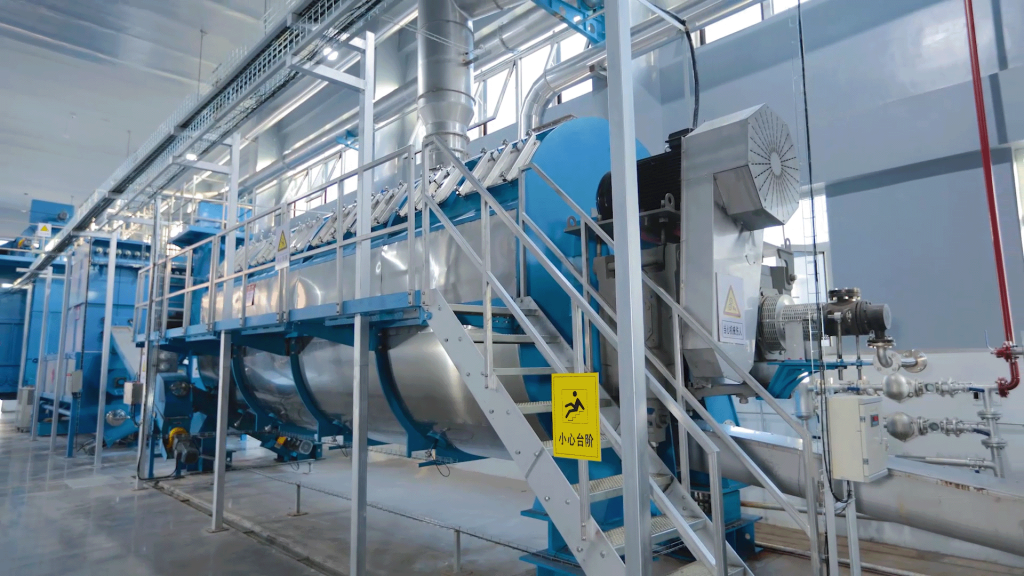
Continuous dry smelting: The disc dryer adopts a continuous refining mode that links the preheating machine and dryer, with materials entering and exiting at the same time, resulting in extremely high production efficiency. The equipment uses steam as the heating medium and also adopts negative pressure refining process. In a vacuum state, moisture and odor molecules are quickly separated from the oil, and after being treated by the condenser and exhaust equipment, they meet the emission standards, ensuring the high efficiency and environmental protection of the production process.
Automated oil pressing: The accompanying animal oil pressing machine realizes the automation of oil residue processing. This equipment is capable of fully squeezing the melted oil residue, maximizing the extraction of residual oil and fat from the residue, significantly improving the comprehensive utilization rate of raw materials and the economic benefits of the enterprise.
 News
News
 Uncategorized
News
News
Uncategorized
News
News
 News
News
 News
News

Chinese (Simplified)

English

Russian