
Industrial-Grade Animal Fat Primary Rendering
Explore MoreFood-Grade Animal Fat Primary Rendering
Explore MoreProfessional manufacturer of animal fat rendering equipment, supplying complete pig, cattle, chicken and duck fat cooking (Fat Rendering Plant) systems. Adopting dry negative pressure process, it features high oil yield and meets environmental protection standards. Customized solutions for animal fat rendering equipment are available. Welcome to contact us for quotations!
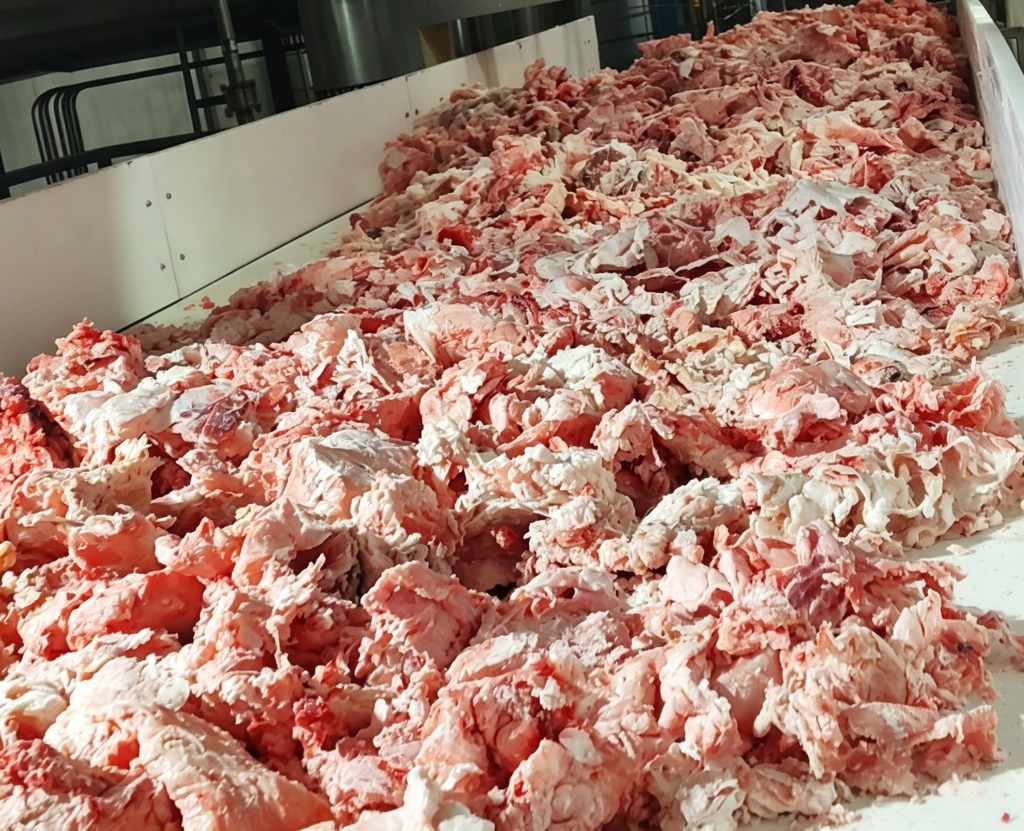
In the modern oil processing industry, animal fat rendering equipment (also known as animal fat cooking (Fat Rendering Plant) equipment) plays a vital role. This equipment is mainly used to process animal fat and slaughter by-products from pigs, cattle, sheep, chickens and ducks, to efficiently extract feed-grade oil, industrial oil or edible animal oil, with meat and bone meal / protein cake as by-products. A standard complete set of oil rendering equipment generally covers six core modules: pretreatment, melting and extraction, solid-liquid separation, crude oil filtration, refining and waste gas treatment. It is the key to realizing high-value utilization of animal fats.
Core Process Flow of Animal Fat Rendering Equipment
Scientific process design is the foundation to ensure efficient operation of animal fat cooking (Fat Rendering Plant) equipment. The mainstream process flow is: raw material crushing → conveying and feeding → vacuum dry thermal melting → solid-liquid separation → oil extraction by centrifuge / pressing → crude oil filtration → (optional refining: degumming, deacidification, decolorization, deodorization, winterization) → finished oil storage. The separated oil residue can be dried and crushed to produce meat and bone meal.
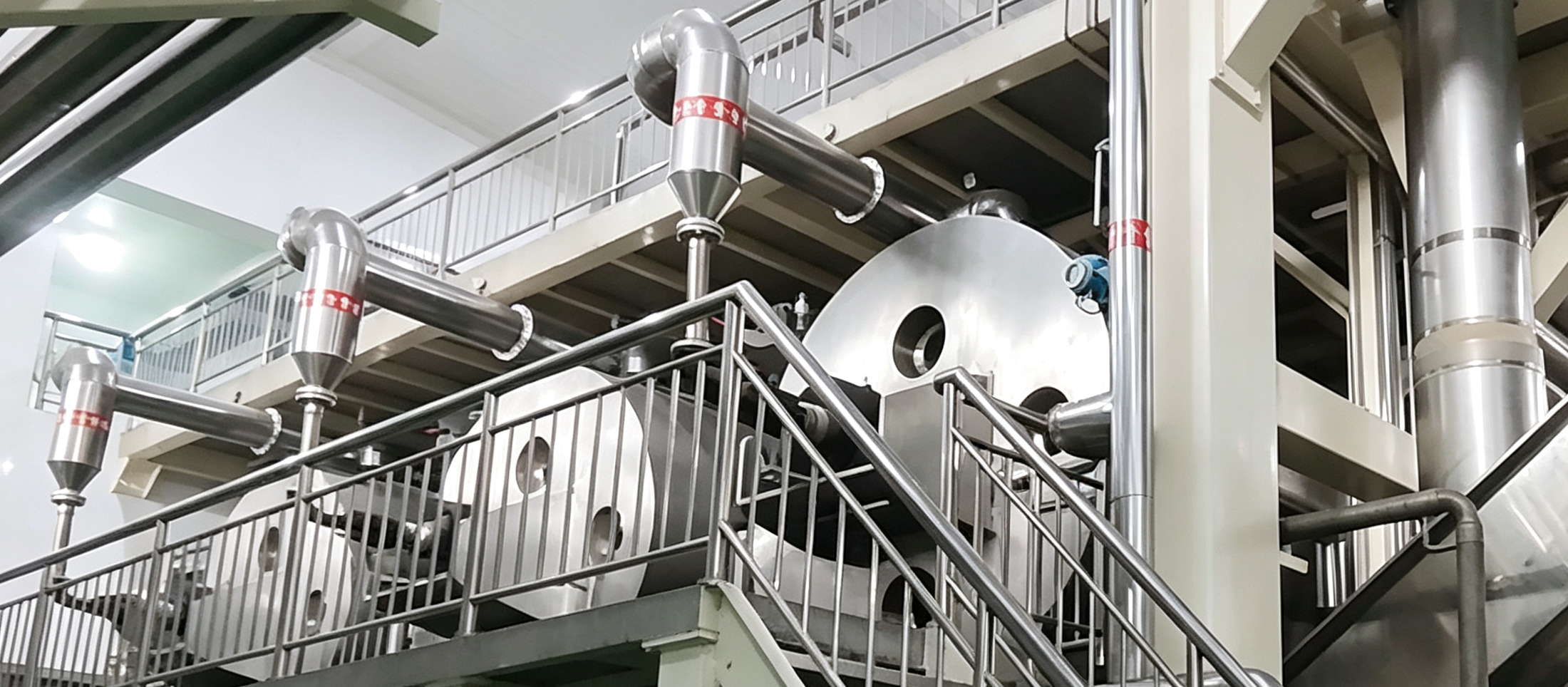
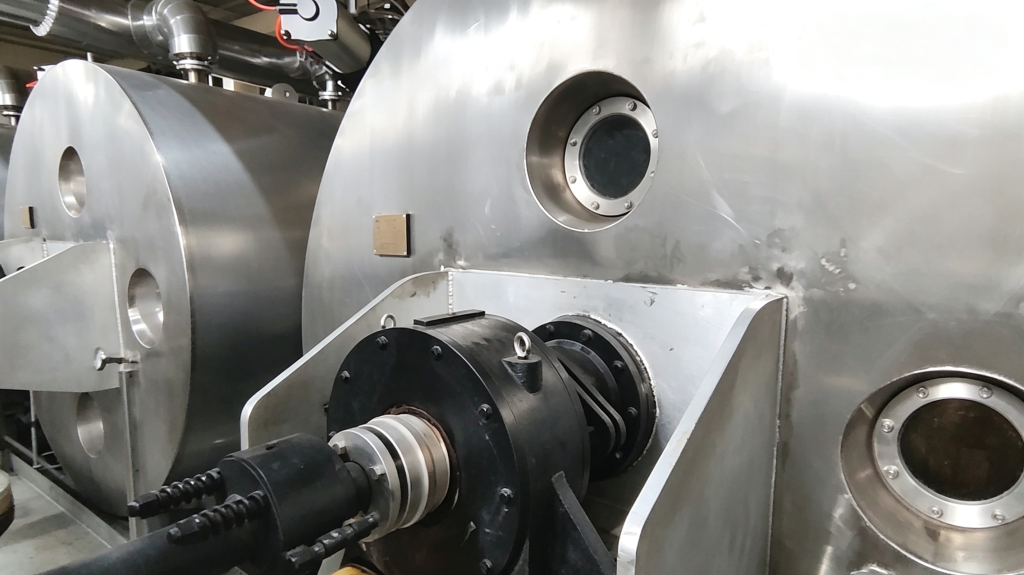
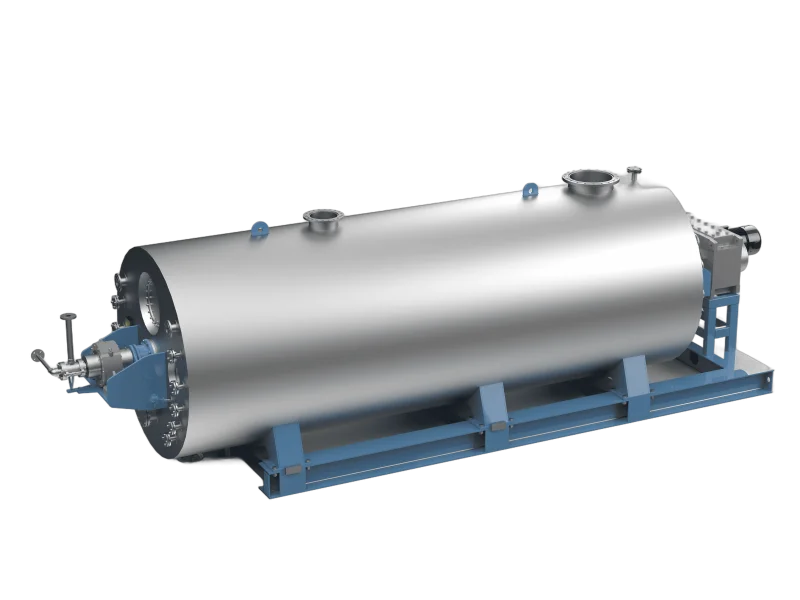
At present, the dry negative-pressure cooking (Fat Rendering Plant) process is the standard configuration for animal fat rendering equipment. This process adopts indirect heat conduction oil heating, and conducts water-free cooking under conditions of 110–140 ℃ and negative pressure of -0.04 ~ -0.07 MPa. This design not only delivers low odor and high oil yield, but also effectively prevents oil carbonization, greatly improving the quality of finished oil.
Detailed Explanation of Core Modules of Animal Fat Rendering Equipment
• Twin-shaft Shredder: Made of 304 stainless steel with anti-jamming design. It can evenly crush frozen fat and bone-meat materials to 3–20 mm.
• Enclosed Conveying Equipment: Equipped with shaftless screw conveyor or Z-type bucket elevator. Fully enclosed conveying effectively reduces odor leakage and complies with environmental requirements.
2.Melting and Cooking (Fat Rendering Plant) Main Unit
As the core of animal fat rendering equipment, the melting section offers two mainstream options:
• Decanter Centrifuge: Achieves continuous three-phase separation of oil, water and solid residues. It produces crude oil with high clarity and is the preferred alternative to traditional settling tanks in modern production lines.
• Oil Press: Performs secondary pressing on cooked residues after cooking (Fat Rendering Plant). The residual oil rate can be reduced to 5–8%, and the pressed cake can be directly used as raw material for meat and bone meal.
• Residue Separation Buffer Tank: Separates crude oil and residues preliminarily to provide stable feeding for the oil press.
• Vacuum and Environmental Protection System: Vacuum pumps and condensers recover steam; scrubber towers combined with activated carbon adsorption treat waste gas to meet EIA standards.
• Heat Source and Automatic Control: Thermal oil heaters or steam boilers are commonly used. Large production lines are equipped with standard PLC automatic control systems to realize fully automatic precise control of temperature, pressure and feeding.
Recommended Selection and Production Line Configuration of Animal Fat Rendering Equipment
According to production capacity requirements, the configuration schemes of animal fat rendering equipment are mainly divided into three categories:
Frequently Asked Questions (FAQ) of Animal Fat Rendering Equipment
Q1: What is the difference between edible-grade animal fat rendering equipment and feed-grade equipment? Feed-grade crude oil usually only requires basic cooking (Fat Rendering Plant) and filtration. In addition to basic cooking (Fat Rendering Plant), edible animal oil must be equipped with a complete refining section (degumming, deacidification, decolorization, deodorization, etc.). Moreover, the equipment material and hygiene standards must meet food-grade requirements to avoid impurity contamination.
Q2: Why is the dry negative-pressure cooking (Fat Rendering Plant) process recommended? Compared with the traditional wet rendering method, the dry negative-pressure process requires no water. Cooking (Fat Rendering Plant) under negative pressure and low temperature can effectively prevent oil oxidation and carbonization, delivering a higher oil yield. It also generates less waste gas and facilitates subsequent environmental deodorization treatment, making it the mainstream option for compliant factory construction at present.
Q3: How to meet environmental protection requirements for animal fat rendering equipment? Compliant equipment must adopt an enclosed design and negative pressure deodorization system (such as scrubber tower + activated carbon adsorption) to ensure waste gas from cooking (Fat Rendering Plant) does not leak out. Meanwhile, production wastewater needs to undergo oil-water separation pretreatment and can only be discharged into the municipal pipe network after reaching standards. Solid residues shall be disposed of by qualified organizations, and complete traceable records shall be maintained.
If you are looking for professional animal fat rendering equipment, please feel free to contact us. We will explain the complete process according to your raw material characteristics and capacity requirements, and provide cost-effective complete set solutions and quotations!
 News
News
News
News
 News
News
 News
News
 News
News
 News
News

Chinese (Simplified)

English

Russian