
Industrial-Grade Animal Fat Primary Rendering
Explore MoreFood-Grade Animal Fat Primary Rendering
Explore MoreAs a key by-product of the slaughtering industry, animal fats span three major sectors: food, animal feed, and bioenergy.In recent years, driven by the implementation of policies and standards alongside a surge in overseas demand for biofuels,the industry is undergoing structural transformation across its upstream and downstream segments.
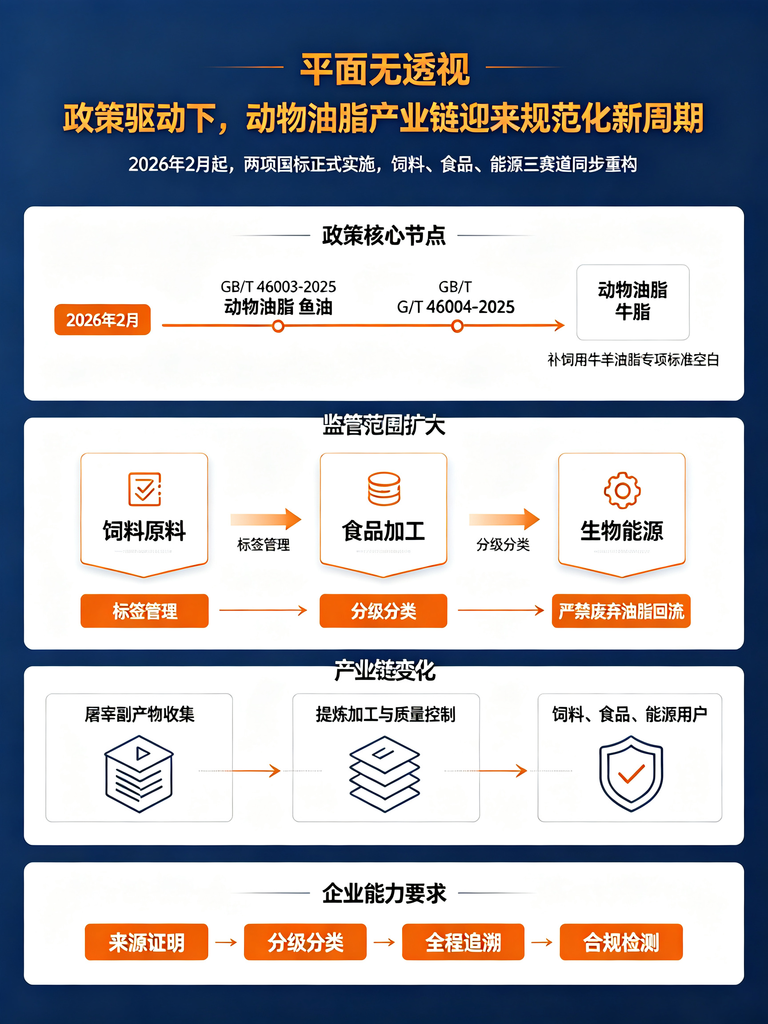
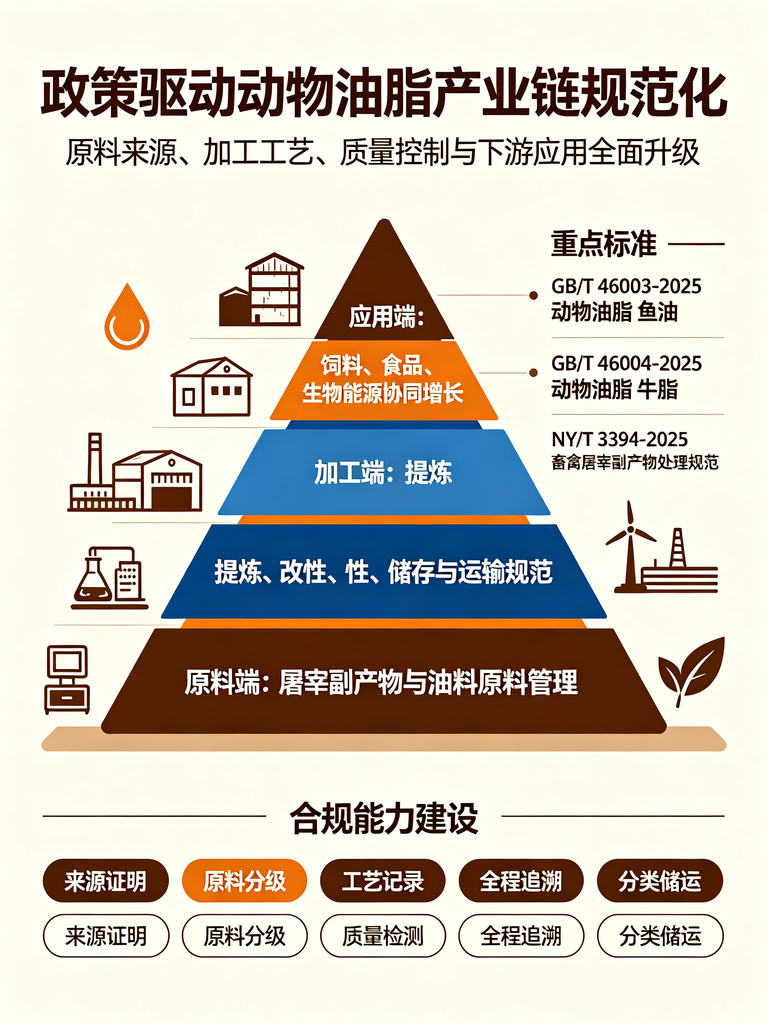
In February 2026, two national standards—GB/T 46003-2025 "Animal Fats and Oils: Sheep Fat" and GB/T 46004-2025 "Animal Fats and Oils: Beef Fat"—will officially come into effect.These standards fill the gap in specific regulations for edible beef and sheep fats, establish clear requirements for acid value, peroxide value, and labeling classification,regulate the market for animal fats used in hotpot and the broader food service industry, and clarify the boundaries for food-grade products.The Ministry of Agriculture and Rural Affairs industry standard NY/T 3394-2025, Code of Practice for the Processing of Livestock and Poultry Slaughter By-products,has come into effect. It mandates that slaughtering enterprises maintain traceability records for fatty by-products and strictly categorize materials into three types—edible,feed-grade, and industrial-grade—while prohibiting the uncontrolled outflow of waste animal fats;this compels upstream slaughtering facilities to develop supporting centralized fat-rendering capabilities.From an environmental perspective, regulations governing waste gas and wastewater emissions from fat-rendering enterprises have tightened;large-scale rendering plants are required to upgrade facilities to control malodorous emissions,and the threshold for obtaining discharge permits continues to rise.
Regarding downstream demand, the feed industry—impacted by high vegetable oil prices—has increased its substitution of vegetable oils with animal fats such as chicken and pork fat,leading to sustained growth in the procurement of high-quality animal fats for pet food. Meanwhile,national policies designate waste animal fats as encouraged non-food feedstocks for biodiesel and sustainable aviation fuel (SAF);qualifying products benefit from consumption tax exemptions, driving a steady rise in export orders for industrial-grade animal fats and expanding the scale of domestic industrial mixed oil exports.

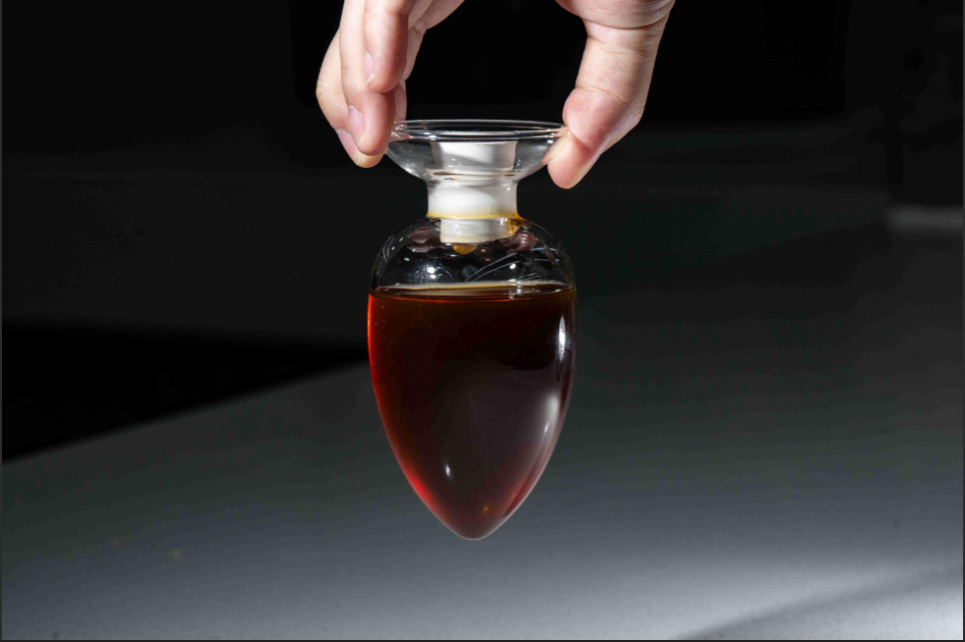
Pain points across the industry chain have consequently emerged: upstream raw materials—specifically slaughterhouse by-products—are widely dispersed,making grading, collection, and transport difficult; midstream rendering and processing must simultaneously meet food safety standards and environmental emission regulations;and downstream sectors face diverse demands from food service, animal feed, and biofuel markets,placing higher requirements on processing equipment regarding graded handling, enclosed rendering,and refining capabilities. As the industry moves away from the crude operational models of small workshops, automated,enclosed, and eco-friendly integrated processing lines have become essential requirements for new projects.
Liande specializes in the field of animal fat processing equipment. Addressing the industry's need for regulatory compliance,the company provides comprehensive rendering and refining solutions tailored to food, feed, and industrial grades of animal fat,thereby enabling upstream and downstream enterprises to achieve compliant and efficient resource utilization of slaughterhouse by-products.
 News
News
News
News
 News
News
 News
News
 News
News
 News
News

Chinese (Simplified)

English

Russian