
Industrial-Grade Animal Fat Primary Rendering
Explore MoreFood-Grade Animal Fat Primary Rendering
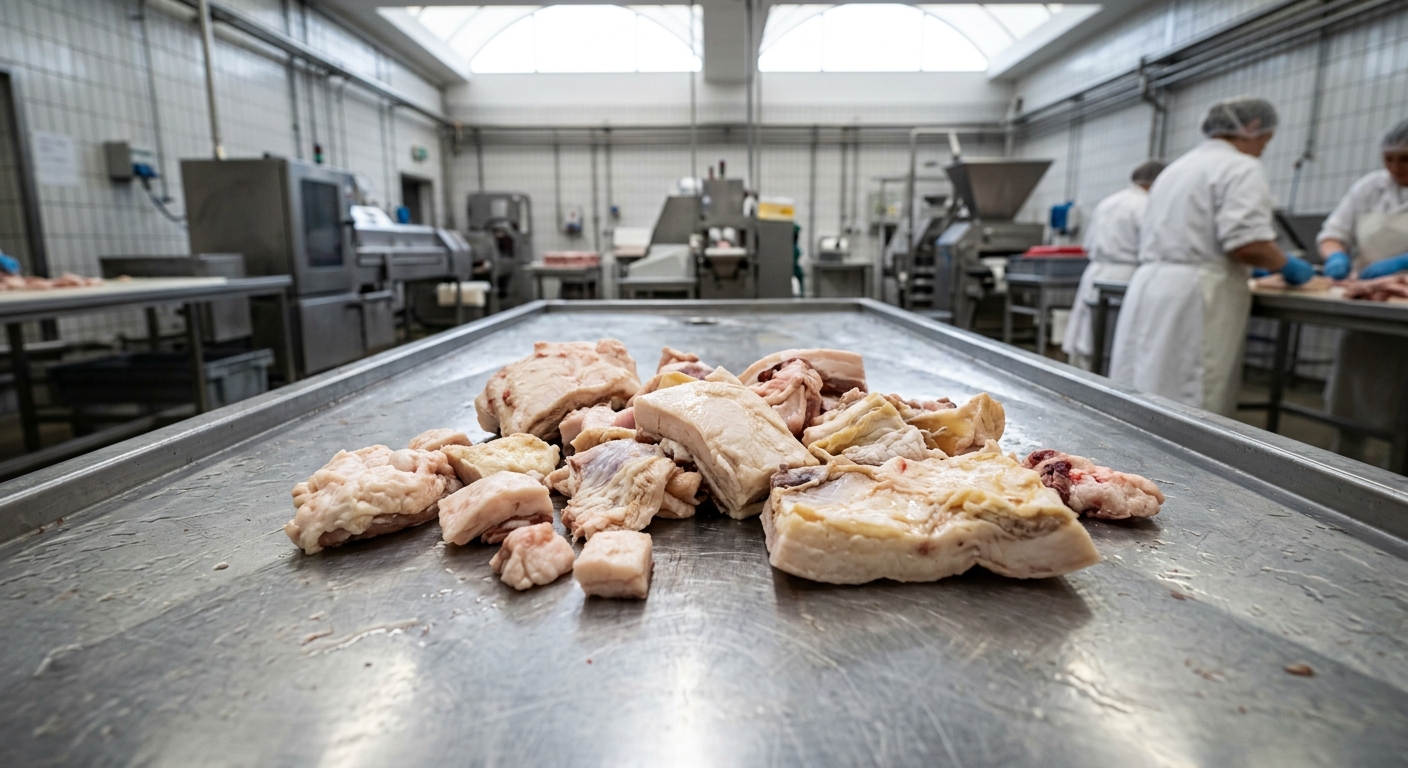
Explore MoreTallow that turns dark or carries a persistent off-odor is usually the result of one of three factors: degraded raw material entering the process, uneven or excessive heating during rendering, or incomplete separation of residual solids and moisture from the finished fat. In most cases the color problem and the odor problem share the same root cause, which means fixing one often resolves the other. The trick is figuring out which of the three stages is actually responsible before you start adjusting equipment settings.
If tallow comes out dark or smells off even when your kettle or disc dryer is running under normal, controlled conditions, the raw material entering the process is the most likely culprit. Animal fat that has sat too long before processing, been exposed to warm ambient temperatures, or been mixed with excessive blood, hair, or gut content will carry that quality forward into the finished product — no amount of downstream refining fully reverses it.
Freshness matters more than most operators expect. Fat trimmings and raw material held for extended periods before rendering begin to oxidize and develop bacterial activity, both of which show up later as darker color and a sharper, less “clean” smell in the finished tallow. This is why raw material selection is treated as step one in any serious rendering process, not an afterthought.
For a broader look at how raw material handling fits into the overall process, see our industrial guide to batch and continuous animal fat rendering process.
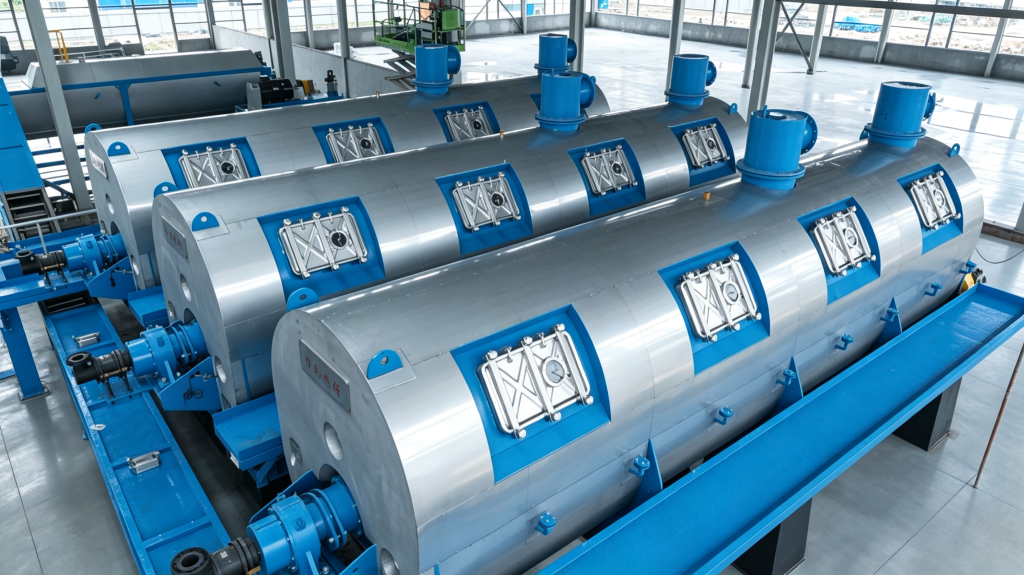
Scorched or over-browned tallow is almost always a heating problem, not a raw material problem. When fat is exposed to excessive heat, held too long at high temperature, or heated unevenly — particularly near kettle walls or dryer surfaces where direct contact occurs — proteins and sugars in residual tissue begin to caramelize and darken, producing both a brown tint and a burnt or bitter odor.
In batch systems using a fat melting kettle, hot spots near the heating jacket or agitator shaft are a common source of localized scorching, especially if agitation speed is too slow to keep material moving evenly. In continuous systems using a disc dryer, uneven material loading or inconsistent feed rate can cause some material to spend longer near the heated discs than the rest of the batch, creating the same scorching effect on a portion of the load even if the average processing conditions look fine.
The practical fix is rarely a single temperature number — it is consistency. Controlled heating with even material distribution and steady agitation prevents localized overheating far more effectively than simply lowering the overall setpoint, which can also hurt moisture removal and yield. For a deeper comparison of how these two equipment types handle heat differently, see Disc Dryer vs. Fat Melting Kettle: Which Core Equipment Fits Your Rendering Line?.
Even properly rendered fat can end up cloudy, hazy, or lingering with odor if the separation stage doesn't fully remove residual solids, moisture, and impurities before the tallow is cooled and stored. Fine particulate matter and trapped moisture act like a sponge for odor compounds, and they also scatter light in the finished fat, producing a duller or less transparent appearance even when the underlying color is fine.
For example, a mid-sized beef tallow producer noticed persistent haze and a faint odor in tallow that otherwise tested fine for moisture content. The issue traced back to a centrifuge that had been sized for a smaller daily throughput and was no longer keeping pace after a production increase — fine solids were passing through into the finished oil instead of being fully separated out. Upgrading centrifuge capacity resolved both the haze and the odor complaint within the same production run.
To understand how separation equipment directly affects finished fat quality, see Centrifuge Separation in Fat Rendering: How It Improves Oil Purity and Recovery Rate.
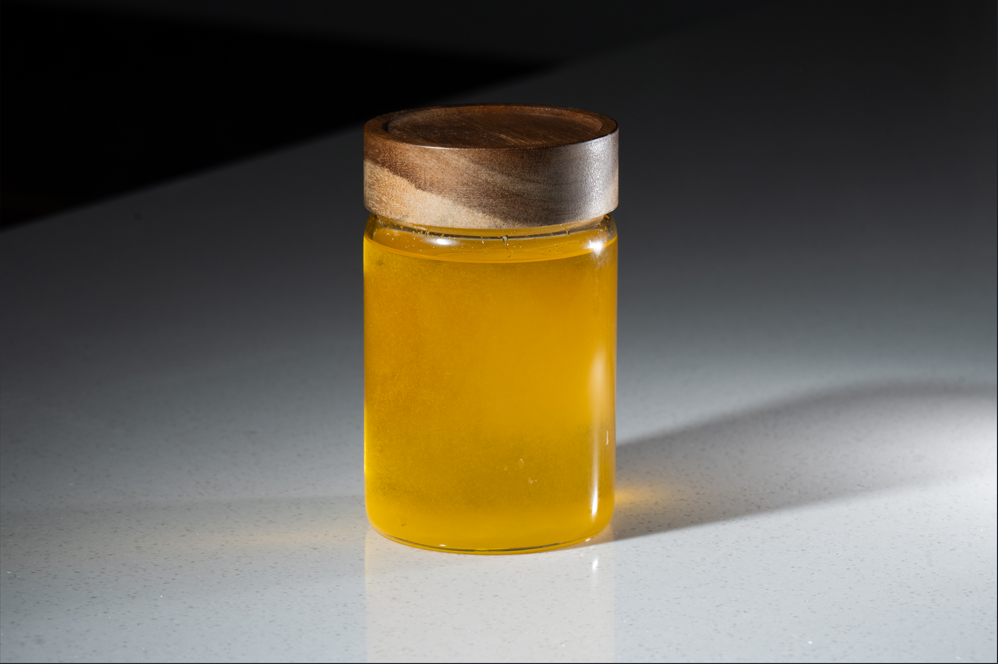
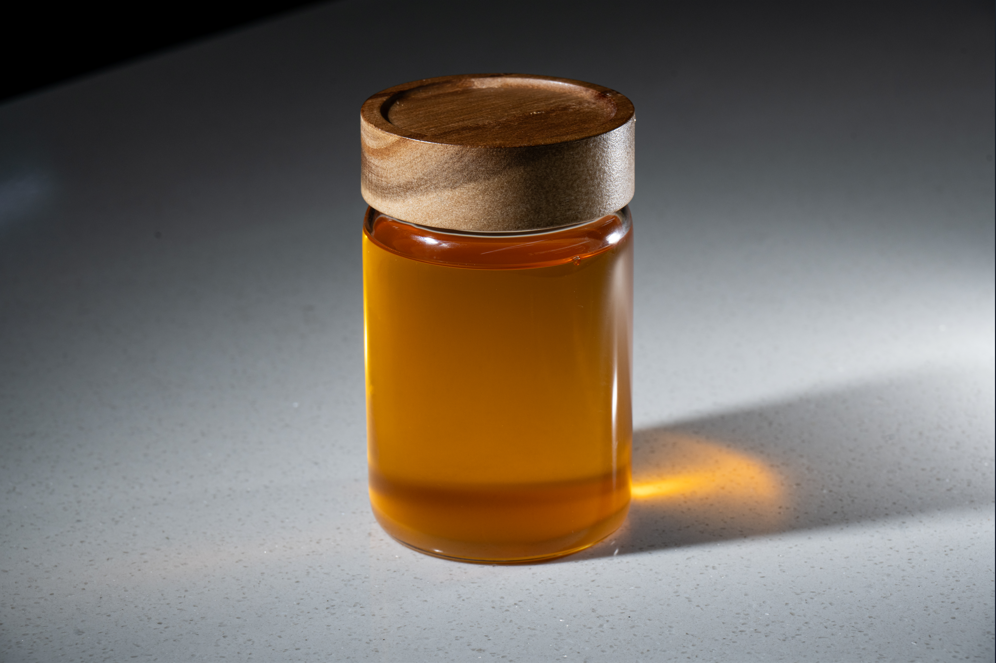
Not all off-odors mean the same thing. A rancid or sharp smell that develops after storage typically points to oxidation during holding, not a rendering process fault, while a raw, sulfurous, or rotten smell present immediately after processing usually points back to raw material contamination or incomplete cooking.
Tallow exposed to air, heat, and light during storage will gradually oxidize, developing rancid notes over days or weeks even if it left the plant in good condition. This is a separate problem from the discoloration and odor issues covered here, and it's worth understanding on its own — our related post on Preventing Oxidation During Rendered Fat Storage covers tank conditions in more depth.
If the odor is present the moment fat comes off the line, before any storage time has passed, the cause sits upstream — either in raw material quality or in a separation stage that isn't fully removing residual tissue and moisture. This distinction alone can save significant troubleshooting time, since it immediately tells you whether to look at your storage tanks or your processing line.
When a batch of tallow comes out off-color or off-smell, working through cause elimination in a fixed order saves time compared to adjusting multiple variables at once.
Plants expanding capacity without revisiting separation equipment sizing are a recurring pattern behind quality complaints. If your production volume has grown since your last equipment audit, this is often the first place to look.
Some color and odor problems can't be solved through operating adjustments alone because the equipment itself is undersized or mismatched to the raw material profile the plant now processes. A fat melting kettle designed for a lower-contamination raw material stream, for instance, may struggle to produce clean fat once a plant starts processing a higher proportion of by-product material with more blood and tissue content.
In cases like this, the practical solution is reviewing the overall process design rather than repeatedly adjusting temperature or run time. Our guide on how to design the layout of an animal fat rendering plant covers how capacity and material flow decisions affect downstream fat quality, which is often the deeper issue behind chronic color or odor complaints that don't respond to operational tweaks.
 News
News
News
News
 News
News
 News
News
 News
News
 News
News

Chinese (Simplified)

English

Russian